
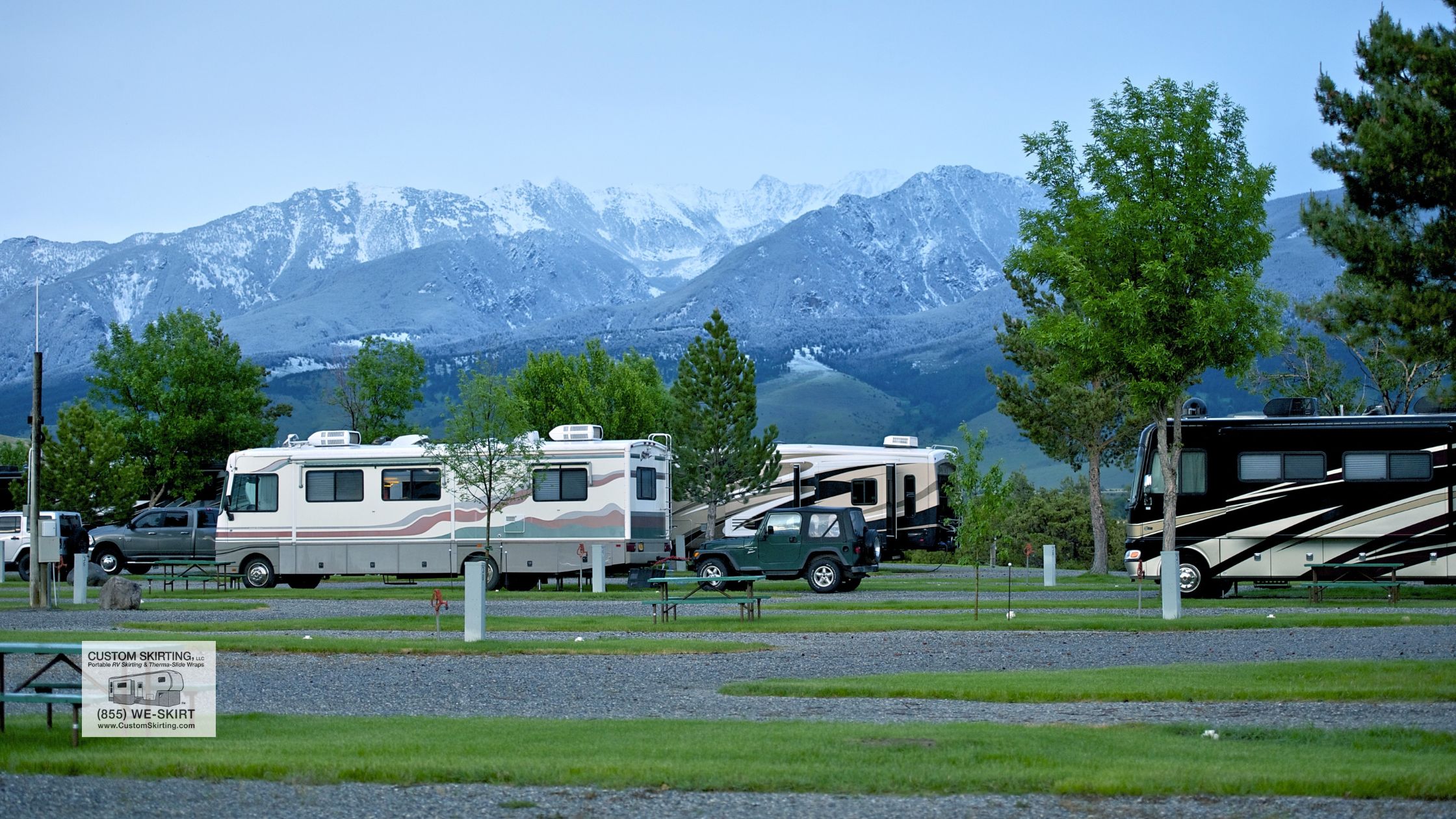
Where Can I Park My RV to Live? A Guide for Full-Time RVers
Table of contents
- Understanding the Basics of Full-Time RV Living
- Main Options for Parking Your RV to Live
- Workamping Opportunities
- National and State Park Hosting
- Parking on Federally Owned Land (Bureau of Land Management and National Forests)
- RV Membership Clubs and Discount Programs
- Employment-Based Parking (e.g., Amazon CamperForce)
- County and City Parks
- Parking on Private Property (Friends, Family, or Owned Land)
- Harvest Hosts, Wineries, Farms, and Ranches
- Overnight Parking at Approved Businesses (e.g., Cabela’s, Bass Pro Shops)
- Cost and Affordability of Living in an RV
- Legal and Regulatory Considerations
- Tips for Choosing the Best Parking Option for Your Needs
- Community and Safety: Finding Your RV Tribe
- Evolving Trends in RV Living
- Conclusion
- Make Full-Time RV Living Cozier with Custom Skirting at Black Hawk Creek
- Related Articles
The dream of full-time RV living is more popular than ever, with people of all ages seeking freedom, adventure, and flexibility. Yet, one of the biggest questions new and seasoned RVers face is: Where can I park my RV to live? Whether you’re searching for a long-term RV park, exploring permanent RV parks, or simply wondering where can I park my RV for extended stays, understanding your long-term RV parking options is essential for a comfortable and legal lifestyle.
Understanding the Basics of Full-Time RV Living
Living full-time in an RV means embracing a lifestyle of mobility, cost savings, and the thrill of exploring new places. Many are drawn to the flexibility and the opportunity to downsize, while others seek affordable alternatives to traditional housing. However, the success of this lifestyle hinges on finding the right place to park your RV to live—balancing access to utilities, safety, and a sense of community.
Full-time RVers must consider factors like RV insulation for winter living, reliable power sources, and the availability of water and sewage hookups. Safety is another key concern, as is connecting with other RVers for support and information. Ultimately, choosing the right long-term RV parking solution is the foundation of a rewarding RV lifestyle.
Main Options for Parking Your RV to Live
Workamping Opportunities
Workamping combines work and camping, allowing RVers to exchange labor for a place to park—often with added perks like pay or amenities. Typical roles include campground hosts, maintenance staff, or event workers. These positions can offer free or subsidized parking, making them a cost-effective solution for those wondering where can I park my RV to live.
Workamping is geographically flexible, with opportunities across the country. However, positions can be competitive and are often seasonal. If you’re interested in this route, start your search early and be prepared for varying requirements.
National and State Park Hosting
Becoming a host at national or state parks is a unique way to secure long-term RV parking in scenic locations. Hosts typically assist with visitor services, maintenance, or educational programs in exchange for free parking—though full hookups may not always be available.
The application process can be competitive, and stays are often limited to a few months. Still, for those seeking a nature-focused lifestyle and a sense of community, this is a rewarding option for where can I park my RV to live.
Parking on Federally Owned Land (Bureau of Land Management and National Forests)
Public lands managed by the Bureau of Land Management (BLM) and National Forests offer vast opportunities for boondocking or dry camping. These areas allow RVers to park for free or at minimal cost, typically with stay limits of 14 days per site.
Boondocking requires self-sufficiency—there are usually no hookups or amenities. You’ll need to manage your own water, power, and waste. This option is ideal for those seeking solitude and adventure, but it’s important to follow environmental regulations and leave no trace. For more on preparing your RV for off-grid living, check out the best deep-cycle battery for your RV.
RV Membership Clubs and Discount Programs
RV membership clubs like Harvest Hosts, Boondockers Welcome, and discount programs provide access to networks of campgrounds and unique parking locations. Membership fees vary, but these programs can significantly reduce the cost of long-term RV parking and offer diverse experiences.
When choosing a membership, consider the types of locations offered, the cost, and any restrictions. These clubs are a great answer to where can I park my RV to live affordably and with variety.
Employment-Based Parking (e.g., Amazon CamperForce)
Programs like Amazon CamperForce hire RVers for seasonal work, providing free parking and a salary. Jobs range from warehouse work to customer service, and participants often receive additional benefits like hookups and amenities.
This option is best for those seeking both income and a place to park. Other companies offer similar programs, so research opportunities that fit your skills and travel plans.
County and City Parks
Many county and city parks offer overnight and long-term RV parking, often at lower rates than private campgrounds. Amenities and reservation processes vary, but these parks can provide a convenient and community-oriented environment.
Be aware of potential restrictions on length of stay and check for available facilities. To find these parks, consult local government websites or RV directories.
Parking on Private Property (Friends, Family, or Owned Land)
Parking on private property—whether with friends, family, or on land you own—offers privacy, stability, and potential cost savings. However, it’s crucial to research local zoning laws and ordinances, as some areas restrict or prohibit long-term RV living.
Setting up utilities on private land can be complex. You may need to install water, power, and sewage connections. For a step-by-step guide, see how to install RV hookups on property. This option is ideal for those seeking a permanent RV park experience with maximum control.
Harvest Hosts, Wineries, Farms, and Ranches
Programs like Harvest Hosts allow RVers to stay overnight at wineries, farms, and ranches. Membership is required, and stays are typically limited to one or two nights. Guests are encouraged to support the host business by making a purchase.
This option is perfect for those seeking unique experiences and local culture. While not a solution for long-term RV parking, it adds variety to your travels and answers the question of where can I park my RV for short stays.
Overnight Parking at Approved Businesses (e.g., Cabela’s, Bass Pro Shops)
Some retail businesses, such as Cabela’s and Bass Pro Shops, allow overnight RV parking. Always obtain permission from management and follow posted rules. Remember, this is parking—not camping—so amenities are minimal and stays are short.
This option is best for travelers in transit who need a safe, legal place to rest. For more tips on safe overnight parking, see RV road trip essentials.
Cost and Affordability of Living in an RV
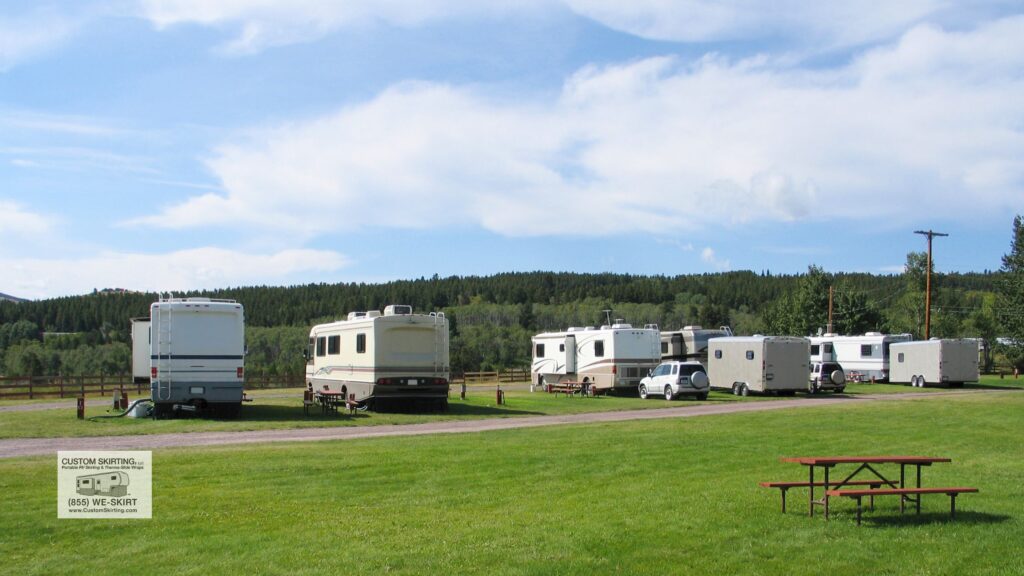
The cost of living in an RV varies widely depending on your parking choice. Here’s a breakdown of typical expenses:
- Long-term RV park or permanent RV parks: Monthly rates range from $300 to $1,000+, depending on location and amenities.
- Workamping and park hosting: Often free or subsidized, with possible pay or perks.
- BLM and National Forests: Usually free or a nominal fee, but you’ll need to be self-sufficient.
- RV membership clubs: Annual fees range from $50 to $150, with discounted or free stays.
- Private property: Costs depend on land ownership, utility setup, and local taxes.
- County/city parks: Nightly rates are typically $20–$40, with discounts for longer stays.
Hidden costs include maintenance, insurance, fuel, and travel expenses. For a comprehensive look at budgeting, see the complete guide on full-time RV living.
To save money, consider using memberships, choosing less popular areas, and maintaining your RV to avoid costly repairs. For insurance tips, check out the 5 best RV insurance companies.
Legal and Regulatory Considerations
Understanding the legal landscape is crucial when deciding where can I park my RV to live. Local zoning laws, length-of-stay restrictions, and permit requirements vary widely. Some areas welcome full-time RVers, while others prohibit long-term RV parking outside designated parks.
To stay compliant:
- Research local ordinances on government or municipal websites.
- Contact city or county offices for clarification.
- Obtain written permission when parking on private property.
- Respect community rules and posted regulations.
Illegal parking can result in fines or eviction. Stay informed about changes in laws, especially as demand for RV living grows. For more on legal considerations, see the beginner’s guide on RV living.
Tips for Choosing the Best Parking Option for Your Needs
Selecting the right place to park your RV to live depends on your budget, desired amenities, location, and lifestyle. Here are some tips:
- Assess your priorities: Do you value community, privacy, or nature?
- Balance cost and convenience: Weigh the benefits of amenities against your budget.
- Check legality: Always verify local laws before committing.
- Ask questions: Inquire about utilities, safety, and length-of-stay policies.
- Stay flexible: Try different options and adapt as your needs change.
For more practical advice, explore 10 easy RV hacks you should try and RV storage ideas to make the most of your space.
Community and Safety: Finding Your RV Tribe
Connecting with other RVers can enhance your experience and provide valuable support. Look for RV-friendly neighborhoods, join online forums, and participate in local events. Safety is paramount—choose well-lit, secure locations and get to know your neighbors.
For tips on keeping your RV safe and pest-free, see how to keep mice out of a camper and how to prevent and manage mold in your RV.
Evolving Trends in RV Living
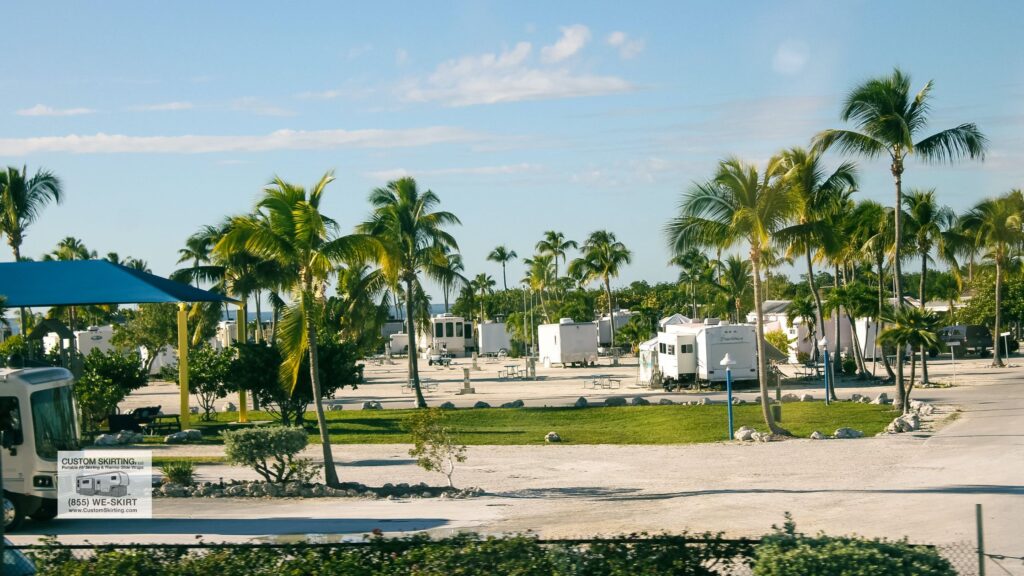
The landscape of RV living is changing rapidly, driven by housing shortages and increased demand for alternative lifestyles. More communities are updating regulations to accommodate full-time RVers, and innovative solutions like Custom Skirting are making year-round living more comfortable and efficient.
Staying informed and adaptable is key to thriving in this evolving environment. For the latest on RV technology and trends, check out the best RVs for winter skirting and the top 7 best RVs to live in full-time.
Conclusion
There’s no single answer to the question, “Where can I park my RV to live?” From long-term RV parks and permanent RV parks to boondocking on public land or parking on private property, the options are as diverse as the RV community itself. By understanding your choices, staying informed about legal and practical considerations, and connecting with fellow RVers, you can find the perfect long-term RV parking solution for your lifestyle.
Ready to take the next step? Research local options, join RV communities, and don’t hesitate to seek expert advice to make your RV living dreams a reality.
Make Full-Time RV Living Cozier with Custom Skirting at Black Hawk Creek
Ready to make your RV feel like home year-round? With Custom Skirting’s on-site, precision fit and our innovative “No-Snap, No-Gap” system, you’ll enjoy superior insulation, pest control, and extra storage—perfect for extended or full-time stays. Don’t settle for less protection on the road—book your Custom Skirting today and upgrade your RV living experience!