What Is a Weight Distribution Hitch? Key to Safe Towing
Table of contents
- What Is a Weight Distribution Hitch?
- Understanding Gross Trailer Weight (GTW) and Tongue Weight (TW)
- How a Weight Distribution Hitch Works
- Benefits of Using a Weight Distribution Hitch
- Choosing the Right Weight Distribution Hitch
- Installing a Weight Distribution Hitch
- Maximize Stability and Protection for Your RV: Get Custom Skirting Today!
- Related Articles
When towing a heavy trailer, maintaining control of your vehicle and trailer is crucial for safety and stability. Many trailer owners face challenges in keeping their vehicle steady and ensuring even weight distribution while towing. If you’ve ever wondered what is a weight distribution hitch or how does a weight distribution hitch work, this guide will explain its importance and help you understand how it can improve your towing experience. A weight distribution hitch (WDH) is an essential tool in ensuring safe, efficient towing, and this article will discuss its functions, benefits, and how it works to improve your towing stability.
What Is a Weight Distribution Hitch?
A weight distribution hitch (WDH) is a towing accessory that redistributes the weight of the trailer and its load more evenly across the axles of both the tow vehicle and the trailer. By doing so, it improves the balance of the towing setup, which is crucial for maintaining vehicle control, reducing strain on the tow vehicle’s rear suspension, and increasing the overall safety of towing.
In simple terms, what does a weight distribution hitch do? It helps transfer some of the tongue weight (TW) from the rear of the tow vehicle to its front axle and the axles of the trailer, creating a more balanced, stable towing system. If you’ve been wondering how to use a weight distribution hitch or what is weight distribution hitch, you’ve come to the right place. Understanding how it works and the benefits it offers can make a world of difference in your towing experience.
Understanding Gross Trailer Weight (GTW) and Tongue Weight (TW)
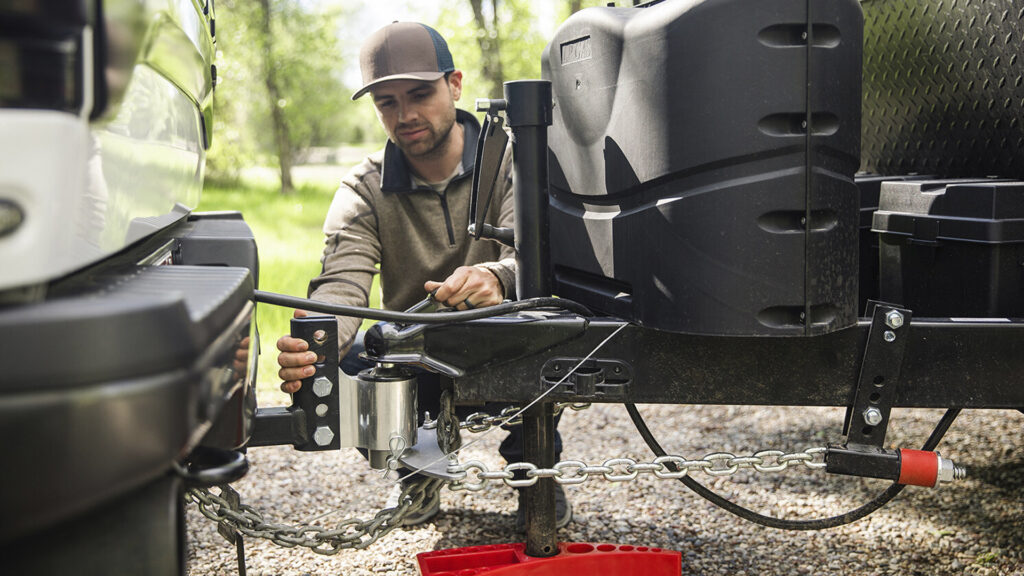
Before diving into how a hitch works, it’s essential to understand two key concepts: Gross Trailer Weight (GTW) and Tongue Weight (TW). These factors determine how much weight is being towed and how it affects the stability of the vehicle.
Gross Trailer Weight (GTW)
What is GTW? Gross Trailer Weight (GTW) refers to the total weight of the trailer and everything in it, including cargo, equipment, and accessories. GTW is an essential consideration when selecting towing equipment because it directly affects the towing capacity of your vehicle and the need for a weight distribution hitch. To calculate GTW, you simply weigh the fully-loaded trailer, including all items inside.
Tongue Weight (TW)
Tongue Weight (TW) is the downward force exerted on the hitch ball by the trailer’s tongue. It is an important factor in towing stability, and the ideal TW should typically range from 10% to 15% of the GTW. For example, if the GTW is 6,000 pounds, the TW should be around 600 to 900 pounds. Proper TW ensures that the trailer is properly balanced, reducing the risk of instability, swaying, and poor handling while driving.
The Impact of Improper Weight Distribution
Improper weight distribution can lead to several towing issues. If there is too much weight on the rear of the tow vehicle or the trailer, it can cause the front of the tow vehicle to rise, which can reduce steering control, braking efficiency, and overall stability. Additionally, uneven weight distribution can lead to trailer sway, which poses a safety hazard. The solution to this problem is using a weight distribution hitch, which helps to correct these imbalances and improves safety on the road.
How a Weight Distribution Hitch Works
Now that you understand the importance of GTW and TW, let’s explore how does a weight distribution hitch work and the key components involved in its operation.
The Basic Principle
A weight distribution hitch operates by redistributing the tongue weight from the rear of the tow vehicle to both the front axle of the tow vehicle and the axles of the trailer. This redistribution helps keep the vehicle and trailer in better balance while towing. By using spring bars and a system of chains, the hitch transfers weight efficiently, reducing strain on the vehicle’s rear suspension and minimizing sway.
Key Components
The basic components of a weight distribution hitch include the following:
- Shank – The shank attaches to the receiver hitch of the tow vehicle. It provides the foundation for the other components and comes in different sizes to match the receiver hitch.
- Head Assembly – The head assembly is the part that connects the spring bars to the shank. It also holds the hitch ball, which connects the tow vehicle to the trailer.
- Spring Bars – Spring bars are the key components that redistribute weight across the tow vehicle and trailer axles. They provide leverage to transfer the tongue weight and are typically made of steel for strength.
- Chains – The chains help adjust the tension of the spring bars and ensure that the hitch is properly aligned and functioning. They also provide additional support and stability to the hitch.
The Weight Distribution Process
When you attach the weight distribution hitch to your tow vehicle and trailer, the spring bars begin to work by lifting the trailer’s tongue, which in turn redistributes some of the tongue weight to the front axle of the tow vehicle. This process also transfers weight to the axles of the trailer, ensuring that the weight is more evenly spread across the entire towing system. By doing so, the weight distribution hitch helps improve vehicle stability, reduce sway, and provide better handling.
Benefits of Using a Weight Distribution Hitch
Using a weight distribution hitch offers several benefits that significantly improve the towing experience, including:
Improved Vehicle Stability
A weight distribution hitch helps to maintain better stability by ensuring that the weight is evenly distributed between the tow vehicle and trailer. This results in better control, reducing the risk of fishtailing or swaying while driving.
Better Steering and Braking
With the additional weight distributed more evenly across the axles, the tow vehicle’s suspension is under less strain, leading to improved steering responsiveness and braking performance. This ensures a safer driving experience, especially when towing heavy loads.
Reduced Trailer Sway
One of the key benefits of a weight distribution hitch is its ability to reduce trailer sway. When towing a heavy or long trailer, sway can be a major concern. The hitch helps stabilize the trailer by redistributing weight and minimizing the side-to-side motion that can occur during towing.
Increased Towing Capacity
In some cases, using a weight distribution hitch can increase a vehicle’s towing capacity. By redistributing weight, the hitch can allow the tow vehicle to handle more weight than it would without one. This is particularly important for larger trailers or towing setups that approach the vehicle’s maximum towing capacity.
Choosing the Right Weight Distribution Hitch
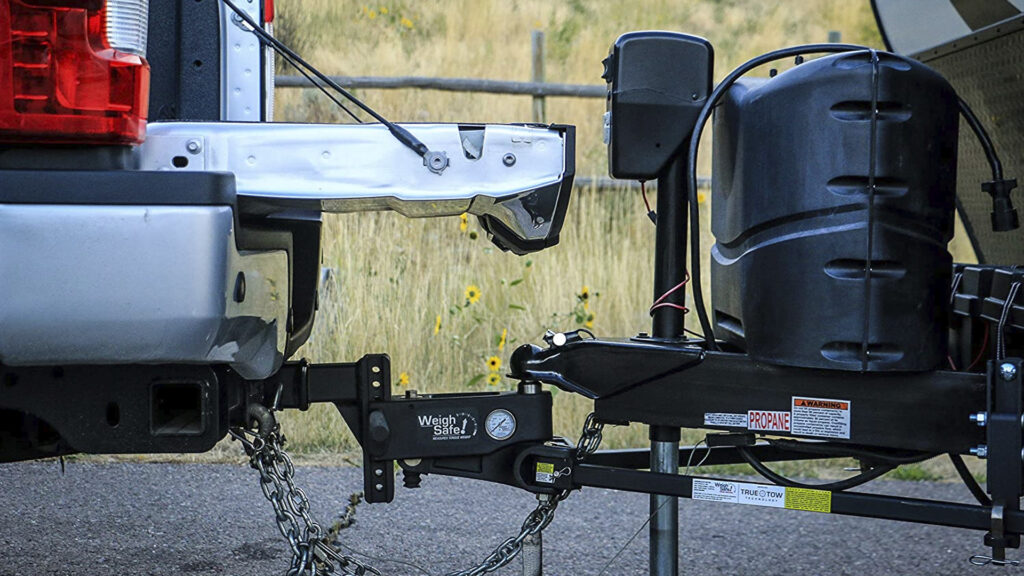
When selecting a weight distribution hitch, it’s important to choose one that matches your specific towing needs. Several factors come into play, including your GTW, TW, and the type of trailer you are towing.
Matching Hitch Ratings to Your Needs
The first step in selecting the right hitch is to determine your GTW and TW. You need a hitch with an appropriate weight rating to ensure it can handle your trailer load safely. Check the manufacturer’s recommendations for both the hitch and your vehicle to ensure compatibility.
Types of Spring Bars
Weight distribution hitches typically come with two types of spring bars: round bars and trunnion bars.
- Round Bars – These are the most common type of spring bar and are typically used for lighter towing setups. They are simple to install and adjust.
- Trunnion Bars – These bars are more heavy-duty and are used for larger, heavier trailers. They offer better weight distribution and are more durable under heavy loads.
Additional Features to Consider
Some weight distribution hitches come with additional features like sway control. Sway control helps prevent trailer sway by applying additional force to stabilize the trailer, particularly in windy conditions or during sudden maneuvers. If you plan on towing in challenging conditions, sway control may be a valuable feature to consider.
Installing a Weight Distribution Hitch
Professional vs. DIY Installation
Installing a weight distribution hitch can be done by yourself, but many people prefer to have it professionally installed to ensure proper adjustment and function. While DIY installation can save money, it’s essential to follow the manufacturer’s instructions carefully to avoid incorrect setup.
Key Installation Considerations
During installation, it’s important to ensure that the spring bars are properly adjusted and the hitch head is positioned at the correct angle. Incorrect tension or angle adjustments can lead to poor weight distribution and reduced towing stability.
By understanding how a weight distribution hitch works and the benefits it offers, you can make an informed decision about whether it’s the right tool for your towing needs.
Maximize Stability and Protection for Your RV: Get Custom Skirting Today!
Ensure your RV stays stable and protected while towing with a weight distribution hitch and custom skirting. Our exclusive “No-Snap, No-Gap” channel system offers unparalleled protection against water, wind, and snow, keeping your undercarriage safe and insulated. With a flawless fit and durable materials, our custom RV skirting is the perfect addition to your RV setup. Don’t compromise on comfort or security—get your custom skirting today and experience the best in RV protection and convenience