Types of RVs: Find Your Perfect Home on Wheels
Table of contents
If you’re considering the exciting prospect of hitting the open road and embarking on an adventure with a home on wheels, you’ve probably encountered the term “RV” more than once. But what is an RV, and what are the different types of RVs available to choose from? In this comprehensive guide, we’ll dive into the world of RVs, exploring various types of campers and motorhomes. Whether you’re a seasoned RV enthusiast or a newbie looking to explore the possibilities, this guide will help you understand the key differences between RV/camper types, from the largest motorhomes to the tiniest towable trailers.
What is an RV?
First of all, an RV, short for “Recreational Vehicle,” is a motorized or towable vehicle designed for living accommodations and travel. RVs are essentially portable homes on wheels, allowing individuals and families to explore the world while enjoying the comforts and conveniences of home. They come in various shapes and sizes, offering a wide range of amenities and features to suit different preferences and needs.
Motorized Types of RVs
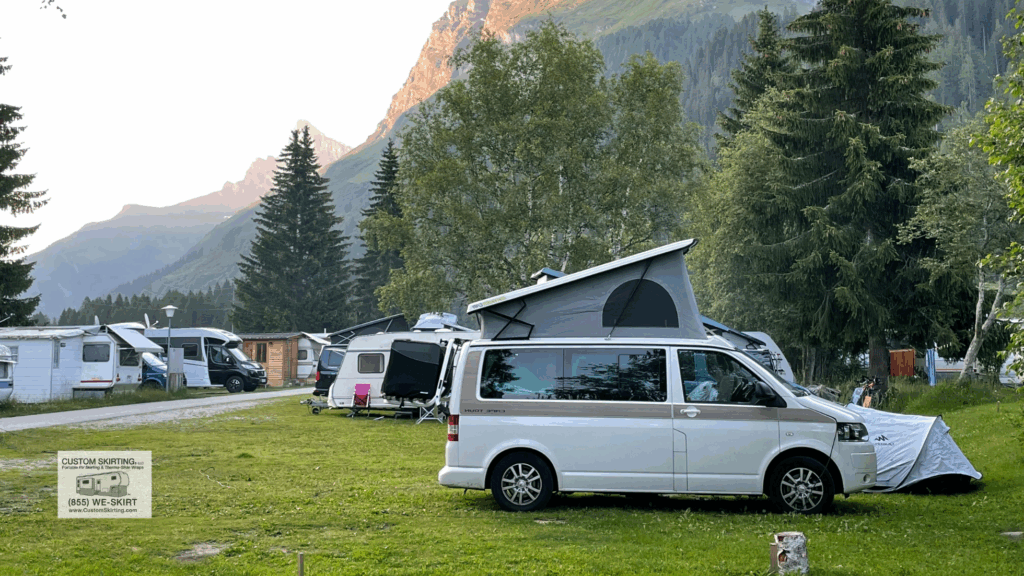
Motorized RVs are self-propelled, which means they have their own engines, making them a convenient choice for travelers who want to go wherever the road takes them without needing an additional vehicle to tow. Here are the main motorized types of RVs:
Class A Motorhomes: Luxury on Wheels
Class A RVs are often considered the epitome of luxury in the RV world. These are the largest, most spacious, and most comfortable motorhomes on the market. Class A RVs resemble large buses in terms of size and appearance. They offer plenty of room for living, sleeping, and entertaining, often featuring amenities like full kitchens, multiple bathrooms, and even washer/dryer units. They are ideal for long-term travel or full-time RV living, providing all the comforts of home.
These luxury RVs come in two main engine configurations:
- Gas-powered models: Generally more affordable upfront but with higher fuel consumption
- Diesel pushers: More expensive initially but offering better torque, improved fuel efficiency, and longer engine life
The extensive storage capacity of Class A motorhomes is another significant advantage, with large underbelly compartments providing ample space for all your travel necessities. They also feature large freshwater, black, and gray tanks, allowing for extended stays without hookups.
Class A motorhomes are particularly popular among full-time RVers and long-term travelers who prioritize comfort and space over maneuverability. However, their size can make them challenging to drive and park, and they typically achieve only 6-10 miles per gallon, making them the least fuel-efficient option among RV classes.
Class B Motorhomes (Campervans): Compact and Nimble
Class B RVs, also known as campervans, are much smaller and more compact than Class A motorhomes. They are built on standard van chassis and offer a cozy living space for couples or small families. While Class B RVs may not have as many amenities as their larger counterparts, they are highly maneuverable and easier to park, making them suitable for urban adventures and those looking for a more streamlined travel experience.
Despite their modest size (typically 17-23 feet in length), Class B motorhomes make impressive use of limited space with clever design features. Most include:
- Compact kitchenettes with small refrigerators and two-burner stoves
- Convertible sleeping areas that transform from seating during the day
- Wet baths (combined toilet and shower space) or cassette toilets
- Efficient storage solutions throughout
Class B motorhomes typically accommodate 2-4 people, making them ideal for solo travelers or couples. Their greatest advantages lie in their drivability and versatility. They handle much like a standard automobile, can fit in regular parking spaces, and can access campgrounds and destinations that would be impossible for larger RVs to reach.
With fuel efficiency ranging from 18-25 mpg, Class B motorhomes are significantly more economical to operate than their larger counterparts. Many owners even use them as secondary vehicles for daily driving when not traveling.
The popularity of these compact RVs has surged in recent years, particularly among weekend adventurers and those embracing the “van life” movement who value mobility and efficiency over spacious accommodations. For those living in an RV during winter, the smaller space of a Class B can actually be advantageous for heating efficiency.
Class C Motorhomes: The Perfect Middle Ground
Class C RVs strike a balance between Class A luxury and Class B compactness. They are often recognizable by the cab-over portion that extends over the driver’s area. This space is typically used for additional sleeping or storage space. Class C motorhomes come in various sizes and floorplans, offering a range of amenities and sleeping capacities. They are a popular choice among families and adventurers looking for a comfortable and versatile RV.
Standard features in most Class C motorhomes include:
- Separate bedroom area, usually with a queen-sized bed
- Full bathroom with a shower
- Kitchen with refrigerator, stove, microwave, and sink
- Convertible dinette and/or sofa for additional sleeping space
- Entertainment systems and ample storage
Class C motorhomes can comfortably accommodate up to 7 people, making them suitable for family vacations. Their popularity in the rental market speaks to their user-friendly design—they offer many amenities of larger RVs but with more approachable driving characteristics and better fuel economy (typically 10-15 mpg).
For travelers seeking a balance between comfort and practicality, Class C motorhomes represent an excellent middle ground in the spectrum of RV/camper types. Their shorter chassis allows access to more campgrounds than Class A motorhomes, while still providing comfortable living space for extended trips. With numerous floor plans available, there’s likely a Class C configuration to suit most travelers’ needs.
Towable Types of RVs
Towable RVs, as the name suggests, are designed to be towed by another vehicle, such as a truck or SUV. They offer flexibility in terms of travel since you can unhitch them and use your towing vehicle for local exploration. Here are some common towable types of RVs/campers:
Classic Travel Trailer: Versatile and Popular

The classic travel trailer (also referred to as bumper-pulls) is one of the most common and versatile types of towable RVs/campers. It comes in various sizes and floorplans, from small teardrop trailers to spacious models with slide-out sections. Travel trailers offer a wide range of amenities, including kitchens, bathrooms, and sleeping areas. They are an excellent choice for families and travelers who want the convenience of a home away from home.
Standard features in most travel trailers include:
- Hard-sided construction for four-season comfort
- Kitchen facilities with refrigerator, stove, and microwave
- Bathroom with toilet and shower
- Dedicated sleeping areas and convertible dining/living spaces
- Storage compartments both inside and outside
Larger travel trailer models may include multiple slide-outs, separate bedroom areas, entertainment centers, and outdoor kitchens. The weight range is equally diverse, from lightweight models under 4,000 pounds to luxury units exceeding 10,000 pounds.
The popularity of travel trailers stems from several advantages:
- More affordable than comparable motorized RVs
- Can be detached at the campsite, freeing the tow vehicle for local exploration
- Available in countless floor plans to suit different needs
- Lower maintenance costs than motorized RVs
- Excellent option for both weekend getaways and extended vacations
For those new to RVing, travel trailers often represent an accessible entry point into the lifestyle. Their widespread popularity also means excellent resale value and a robust market for both new and used models. When shopping for a travel trailer, consider factors like your tow vehicle’s capacity, desired amenities, and typical camping style to find the perfect match among the many available options.
Micro Trailers
Micro trailers are a subset of travel trailers designed for those who want to keep things simple and lightweight. They are perfect for solo travelers or couples looking for a compact and easy-to-tow option. While micro trailers may have fewer amenities than larger travel trailers, they provide a cozy and comfortable space for a short getaway.
Toy Haulers: For Adventure Enthusiasts
Toy haulers are designed for adventure enthusiasts who want to bring along their ATVs, motorcycles, or other toys. These RVs feature a garage area at the back that can double as a living space when your toys are outside. Toy haulers come in various sizes and configurations, allowing you to carry your recreational equipment while enjoying the comforts of home.
Key features of toy haulers include:
- Reinforced flooring in the garage area to support heavy equipment
- Tie-down points to secure vehicles during transit
- Convertible furniture in the garage section (fold-down beds, seating)
- Enhanced ventilation systems for fuel storage safety
- Some models include built-in fueling stations for toys
Toy haulers typically accommodate 4-7 people and range from 20 to 45 feet in length. While early models were basic “mobile man-caves,” modern toy haulers have evolved into sophisticated living spaces with all the amenities found in luxury RVs, including full kitchens, comfortable bedrooms, and well-appointed bathrooms.
For those considering a toy hauler, it’s important to note that they typically require powerful tow vehicles due to their substantial weight, especially when loaded with equipment. The complete guide to RV weights can help you understand the towing requirements for these specialized types of RVs/campers.
Fifth Wheels: Spacious Towable Living
Fifth-wheel trailers are known for their unique hitching system, which connects to a special hitch in the bed of a pickup truck. This setup provides stability and maneuverability, making fifth wheels popular among experienced RVers. They often offer spacious interiors, with multiple slide-outs and luxurious amenities.
Premium amenities commonly found in fifth wheels include:
- Residential-style kitchens with islands and full-size appliances
- Master bedrooms with walk-around queen or king beds
- Full bathrooms, sometimes with separate shower areas
- Entertainment centers with large TVs and sound systems
- Outdoor kitchens and expandable patio areas
One significant advantage of fifth-wheel RVs is the ability to detach the tow vehicle for local exploration once you’ve set up camp. However, they do require a powerful pickup truck (typically a one-ton or dually model) equipped with a special fifth-wheel hitch for towing.
Fifth wheels have become increasingly popular among full-time RVers and extended-stay travelers who prioritize living space and comfort. Their generous storage capacity, residential features, and stability on the road make them an excellent choice for those who want the amenities of a Class A motorhome in a towable package. For winter camping, fifth wheels can be effectively protected with proper RV skirting to maintain interior warmth.
Stand-up Trailers
Stand-up trailers, also known as tent trailers or pop-up campers, are compact and lightweight towable RVs that fold down for easy towing and storage. When set up, they provide comfortable sleeping and dining areas. These trailers are a great option for those who want a more rustic camping experience with the convenience of an RV.
Pop-up Trailers
Pop-up trailers are similar to stand-up trailers but feature a unique pop-up roof that provides additional headroom. This design creates a more spacious and comfortable interior when compared to traditional tent trailers. Pop-up trailers are a great choice for budget-conscious travelers who still want some of the comforts of an RV.
Truck Campers
Truck campers are a category of RVs that deserve special attention. They are designed to fit in the bed of a pickup truck and are perfect for travelers who want to explore off-the-beaten-path destinations. Here are the two main types of truck campers:
Hard-Sided (or Slide-In) Campers
The first type is a hard-sided truck campers are known for their durability and insulation. They provide a cozy living space with a solid roof and walls. These campers often feature amenities like kitchens, bathrooms, and sleeping areas. Hard-sided campers are ideal for year-round travel, as they offer excellent protection from the elements.
Pop-up Campers
Pop-up truck campers are a lightweight and compact option. They are easy to store and transport, making them a favorite among adventurers. When set up, pop-up campers offer a comfortable living space with the added benefit of a pop-up roof, which provides extra headroom. While they may have fewer amenities than hard-sided campers, they are a great choice for those seeking simplicity and mobility.
Choosing the Right RV for Your Needs
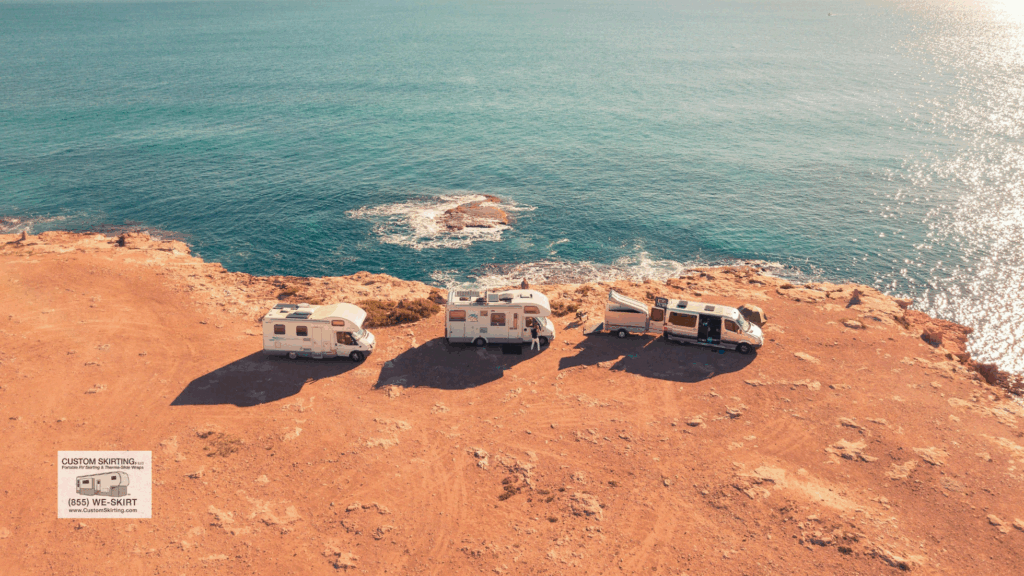
With nine distinct types of RVs to consider, selecting the perfect option requires careful evaluation of your specific needs, preferences, and constraints. The “best” RV varies dramatically depending on your intended use, travel style, and budget.
Start by considering these key factors:
Group Size and Sleeping Capacity
- Solo travelers or couples might be comfortable in Class B motorhomes or tiny trailers
- Families with children typically need the space of Class C motorhomes, travel trailers, or fifth wheels
- Large groups may require Class A motorhomes or large fifth wheels with multiple sleeping areas
Desired Amenities and Comfort Level
- Weekend warriors might sacrifice some amenities for simplicity and affordability
- Extended vacationers typically want more comfort features and living space
- Full-time RVers should prioritize residential features and durability
Towing Capability and Driving Comfort
- Do you already own a suitable tow vehicle? This might direct you toward towable options
- Are you comfortable driving a large vehicle? Class A motorhomes require adjustment
- Do you want to bring a separate vehicle for local exploration? Consider towables or a motorhome with towing capacity
Storage Considerations
- Where will you store the RV when not in use? Larger units require significant storage space
- Does your HOA or municipality have restrictions on RV parking?
- Will you need RV storage ideas for your belongings inside the RV?
Budget Constraints
- Initial purchase price varies dramatically across RV types
- Consider ongoing costs: fuel efficiency, maintenance, insurance, and storage
- Resale value tends to be stronger for popular models from reputable manufacturers
Intended Use
- Weekend trips might be best served by smaller, easier-to-manage RVs
- Extended vacations require more comfort features and self-sufficiency
- Full-time living demands durability, space, and residential amenities
Before making a final decision, consider:
- Renting first: Test different types of RVs to determine what works best for your needs
- Visiting RV shows: See multiple models in person to compare features and layouts
- Joining RV forums: Learn from experienced owners about the pros and cons of different types
- Considering both new and used options: Pre-owned RVs can offer significant savings
Remember that many first-time RV buyers end up changing their RV within the first few years as they better understand their preferences and needs. Start with an honest assessment of how you’ll actually use the RV rather than focusing on aspirational scenarios.
For those planning on full-time RV living, additional considerations like four-season capability, storage capacity, and durability become even more important when selecting among the various types of RVs/campers.
Conclusion
The world of RV types offers something for virtually every traveler, budget, and adventure style. From luxurious Class A motorhomes that rival upscale apartments to compact teardrop trailers perfect for weekend getaways, the diversity of options ensures you can find your ideal home on wheels.
Class A motorhomes provide unmatched luxury and space for those who prioritize comfort. Class B campervans offer exceptional maneuverability and efficiency for nimble travelers. Class C motorhomes strike a balance between amenities and drivability. Fifth wheels deliver spacious living in a towable package. Toy haulers combine living quarters with adventure equipment transport. Travel trailers offer versatility and value across a wide range of sizes. Pop-up campers provide an affordable entry point to RVing. Tiny trailers embrace efficiency and simplicity. Truck campers excel at reaching remote destinations.
As you explore the various types of RVs/campers, remember that the perfect choice depends entirely on your specific needs, travel style, and preferences. Take your time with this important decision, possibly renting different RV types before committing to a purchase. Consider not just your current situation but how your needs might evolve over the years you plan to own your RV.
Whatever type of RV/camper you ultimately choose, you’re joining a passionate community of travelers who have discovered the unique freedom and flexibility that RV travel provides. The open road awaits, and with the right RV, you’ll be well-equipped for countless adventures and memories.
Protect Your Investment with Custom RV Skirting
After finding your perfect RV among the many types of RVs/campers available, protecting your investment becomes a top priority—especially if you plan on extended stays or winter camping. Custom Skirting offers the nation’s #1 RV skirting solution, designed to shield your RV from harsh elements while extending its lifespan.
Unlike one-size-fits-all options, Custom Skirting blueprints and custom-tailors your RV skirting on-site, ensuring a flawless fit that provides unparalleled protection. Their exclusive “No-Snap, No-Gap” channel system effectively seals out water, snow, and wind better than any other product on the market.
With over a decade of testing in the harshest winter conditions across the northern United States and Canada, Custom Skirting has proven its durability and effectiveness. Plus, the user-friendly design allows for quick setup and can move with you to your next destination.
Don’t compromise on quality when it comes to protecting your RV investment. Get Custom Skirting today and experience the difference for yourself!