
The Ultimate Guide to Planning Your Perfect RV Trip
Table of contents
- Why Choose an RV Trip?
- Types of RVs: Choosing the Right Vehicle
- Planning Your RV Trip Itinerary
- Booking Campgrounds and RV Parks
- Budgeting for Your RV Adventure
- Essential Gear and Supplies for RV Travel
- Top RV Destinations in the United States
- Experience the Nation’s #1 RV Skirting Solution!
- Related Articles
An RV trip offers a unique blend of adventure, flexibility, and comfort that few other vacation styles can match. In recent years, the popularity of RV trips has surged as travelers seek more self-contained and independent ways to explore. Whether you’re dreaming of visiting national parks, coastal highways, or charming small towns, RV trip planning allows you to create an itinerary that perfectly suits your interests and pace. This comprehensive guide will walk you through everything you need to know to plan and execute an unforgettable RV vacation, from choosing the right vehicle to navigating the open road and making the most of your RV road trip experience.
Why Choose an RV Trip?
RV travel offers numerous advantages over traditional vacations, making it an increasingly popular choice for travelers of all ages.
Freedom and Flexibility
One of the greatest benefits of an RV vacation trip is the unparalleled freedom it provides. Unlike vacations with fixed hotel reservations, an RV road trip allows you to change your plans on a whim. If you discover a beautiful spot you’d like to explore further, you can simply extend your stay. Conversely, if a destination doesn’t meet your expectations, you can easily move on to the next adventure.
Cost-Effectiveness
While the initial investment in renting or purchasing an RV may seem substantial, an RV vacation can be surprisingly economical, especially for families or longer trips. By combining your transportation and accommodation costs and having the ability to prepare your own meals, you can significantly reduce daily expenses compared to paying for hotels and restaurants.
Connection with Nature
RVs provide unique access to natural settings that might otherwise be difficult to experience. Many national parks and wilderness areas offer RV camping, allowing you to wake up surrounded by breathtaking scenery rather than driving in for a day trip from a distant hotel.
Comfort and Convenience
Modern RVs come equipped with many of the comforts of home, including beds, bathrooms, kitchens, and entertainment systems. This means you can enjoy outdoor adventures without sacrificing comfort. Additionally, you’ll avoid the hassle of constantly packing and unpacking as you move between destinations.
Self-Contained Travel
In today’s world, the self-contained nature of RV travel has become increasingly appealing. With your own living space, bathroom, and kitchen, you can maintain distance from crowds and control your environment, offering peace of mind for health-conscious travelers.
Types of RVs: Choosing the Right Vehicle
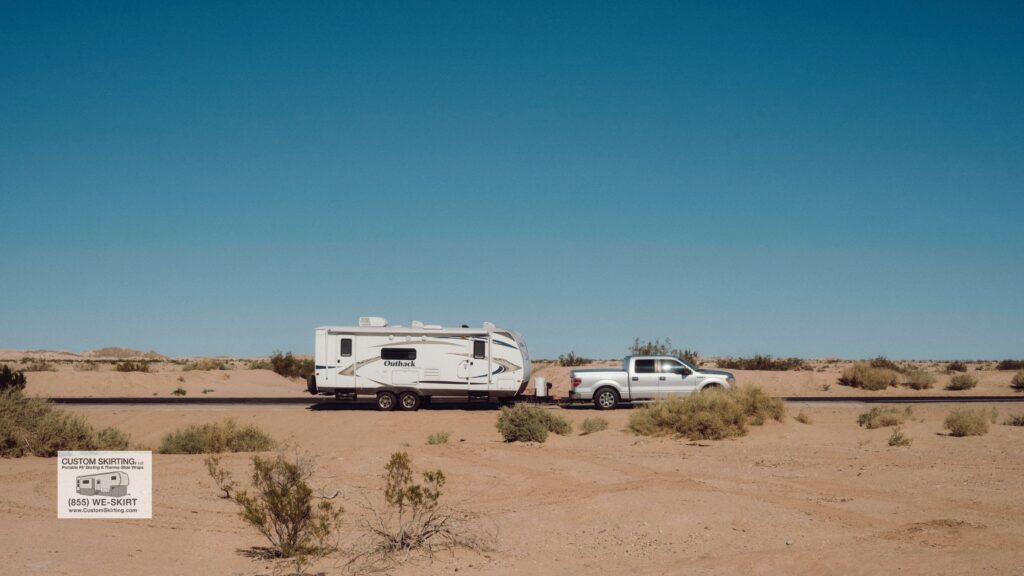
Selecting the appropriate RV for your vacation road trip is crucial to ensuring a comfortable and enjoyable experience. Here’s a breakdown of the main types:
Class A Motorhomes
These large, bus-shaped vehicles are the most spacious and luxurious option. They typically range from 25 to 45 feet in length and offer generous living areas, full kitchens, bathrooms with showers, and multiple sleeping areas.
Pros: Spacious interiors, ample storage, high-end amenities
Cons: Poor fuel efficiency (6-10 mpg), challenging to drive and park, highest rental costs ($250-400 per day)
Best for: Luxury travelers, large families, extended trips
Class B Motorhomes (Camper Vans)
These compact units are built on a van chassis and are the smallest motorized RV option. They typically range from 17 to 23 feet in length.
Pros: Easy to drive and park, best fuel efficiency (15-22 mpg), can access more remote locations
Cons: Limited living and storage space, compact bathroom facilities
Best for: Solo travelers or couples, shorter trips, those who prioritize mobility over space
Class C Motorhomes
Recognizable by their over-cab sleeping area, these mid-sized motorhomes offer a good balance of amenities and drivability. They typically range from 20 to 30 feet in length.
Pros: Easier to drive than Class A, more spacious than Class B, good amenities
Cons: Less storage than Class A, moderate fuel efficiency (10-15 mpg)
Best for: Families, first-time RVers, medium-length trips
Travel Trailers
These towable units range widely in size (from 10 to 40 feet) and require a separate vehicle with appropriate towing capacity.
Pros: Can detach from your tow vehicle at campsites, wide range of sizes and prices
Cons: Requires a suitable tow vehicle, challenging to back up and maneuver
Best for: Those who already own a capable tow vehicle, travelers who want to use their vehicle for side trips
Fifth Wheels
These large towable units connect to a special hitch in the bed of a pickup truck. They typically range from 25 to 45 feet in length.
Pros: Spacious floor plans, often with multiple slide-outs, more stable towing than travel trailers
Cons: Requires a pickup truck, typically the heaviest towable option
Best for: Those seeking maximum living space in a towable unit, extended stays
Pop-up Campers
These compact, collapsible trailers expand vertically when parked, offering canvas-sided sleeping areas.
Pros: Lightweight, affordable, can be towed by many vehicles
Cons: Limited amenities, less protection from weather, more setup time
Best for: Weekend campers, those on a tight budget, travelers who want a step up from tent camping
For first-time RVers, a Class C motorhome often provides the best balance of comfort and drivability. If you’re unsure about committing to purchasing an RV, renting is an excellent option to test different types and determine what works best for your travel style. Rental costs vary widely based on RV type, season, and location, but you can expect to pay approximately $100-150 per night for a small trailer, $150-250 for a Class C, and $250-400 for a Class A.
Planning Your RV Trip Itinerary
Creating a well-planned itinerary is essential for a successful RV road trip, but it’s equally important to build in flexibility.
Setting Realistic Expectations
One of the most common mistakes first-time RV travelers make is trying to cover too much ground too quickly. RVs move slower than cars, and setting up and breaking down camp takes time. A good rule of thumb is to plan for no more than 200-300 miles of driving per day and to stay at least two nights at most destinations.
Planning Tools
Several digital tools can help streamline your RV vacation trip planning:
- Roadtrippers: This website and app allows you to map your route, calculate drive times and fuel costs, and discover points of interest along the way.
- Campendium and The Dyrt: These apps help you find and review campgrounds and RV parks.
- AllStays: Provides information about campgrounds, RV-friendly parking, and service stations.
Seasonal Considerations
The time of year significantly impacts your RV road trip experience:
- Summer: Peak season for most destinations, especially national parks. Expect crowds and the need for advance reservations.
- Spring and Fall: Often ideal with milder weather and fewer crowds, though some high-elevation areas may still be inaccessible in early spring or late fall.
- Winter: Requires special preparation for cold-weather camping, but offers solitude and unique experiences in many locations.
Popular RV Routes for Beginners
Consider these tried-and-true routes for your first RV adventure:
- Pacific Coast Highway: Drive along California’s stunning coastline from San Diego to San Francisco or beyond.
- Grand Circle Tour: Visit multiple national parks in Utah, Arizona, and Colorado, including Grand Canyon, Zion, and Bryce Canyon.
- Blue Ridge Parkway: Experience the beautiful Appalachian Mountains from Virginia to North Carolina.
- Great Lakes Circle Tour: Explore the shorelines of the magnificent Great Lakes.
Balancing Activities
Plan a mix of driving days and stationary days. On driving days, identify interesting stops along your route to break up the journey. On stationary days, explore local attractions, hike, or simply relax at your campsite. Remember that living in an RV during the winter requires additional planning if your road trip extends into colder months.
Booking Campgrounds and RV Parks
Securing appropriate accommodations is a crucial aspect of RV trip planning, especially during peak travel seasons.
Types of RV Accommodations
- Developed RV Parks: Offer full hookups (electricity, water, and sewer), along with amenities like Wi-Fi, laundry facilities, pools, and activities. Prices typically range from $30-100+ per night.
- State and National Park Campgrounds: Usually offer more natural settings with fewer amenities, often limited to partial hookups or no hookups. Prices typically range from $20-50 per night.
- Private Campgrounds: Range from basic to resort-style, often located near tourist attractions. Pricing varies widely.
- Boondocking (Dry Camping): Camping without hookups, often on public lands managed by the Bureau of Land Management (BLM) or National Forest Service. Usually free or very low cost.
Reservation Timelines
For popular destinations, especially national parks during summer months, make reservations 6-12 months in advance. Less popular areas or off-season travel may allow for more spontaneity, but it’s always wise to have a backup plan.
Membership Programs
Consider investing in membership programs that can save you money on campgrounds:
- Harvest Hosts: Offers overnight stays at wineries, farms, and attractions.
- Passport America: Provides 50% discounts at participating campgrounds.
- Good Sam Club: Offers 10% discounts and other benefits at thousands of campgrounds.
Understanding Hookups
- Full Hookups: Include electricity (30 or 50 amp), water, and sewer connections.
- Partial Hookups: Typically include electricity and water, but no sewer connection.
- No Hookups: Requires self-sufficiency using your RV’s batteries, fresh water tank, and waste tanks.
When booking, consider what amenities are essential for your comfort and the length of your stay. Longer stays might necessitate full hookups for convenience, while shorter stays might be comfortable with partial or no hookups.
Budgeting for Your RV Adventure
Understanding the costs associated with RV travel will help you plan and budget effectively for your vacations.
RV Acquisition Costs
- Rental: Expect to pay approximately $100-150 per night for a small trailer, $150-250 for a Class C motorhome, and $250-400 for a Class A motorhome, depending on season and location.
- Purchase: New RVs range from $10,000 for a basic pop-up camper to $500,000+ for luxury motorhomes. Used RVs can offer significant savings.
Fuel Expenses
Fuel will likely be one of your largest expenses. Larger motorhomes may only get 6-10 miles per gallon, while smaller RVs might achieve 10-15 mpg. Calculate your expected mileage and current fuel prices to budget accordingly. For a 2,000-mile trip in a vehicle getting 8 mpg, you might spend $750-1,000 on fuel alone.
Campground Fees
- Luxury RV Resorts: $60-100+ per night
- Standard RV Parks: $30-60 per night
- Public Campgrounds: $20-40 per night
- Boondocking: Free to $20 per night
Additional Expenses
- Propane: $20-40 per tank refill
- Dumping Fees: $10-20 if not included with campground
- RV Insurance: $500-1,000 annually for full coverage
- Roadside Assistance: $100-300 annually for RV-specific coverage
- Maintenance: Budget 1-2% of your RV’s value annually
- Attractions and Activities: Varies widely based on your interests
Money-Saving Tips
- Cook meals in your RV instead of dining out
- Use membership programs and discount cards
- Travel during shoulder seasons for lower rates
- Stay multiple nights in one location to reduce fuel costs
- Consider boondocking on public lands for free or low-cost camping
- Invest in a national parks annual pass if visiting multiple parks
Sample Budget for a 2-Week Trip
For a family of four in a rented Class C motorhome:
- RV Rental: $2,800 ($200/day for 14 days)
- Fuel: $800 (approximately 1,500 miles)
- Campgrounds: $700 ($50/night average)
- Food: $700 ($50/day)
- Activities/Attractions: $500
- Miscellaneous: $300
- Total: Approximately $5,800
This budget can vary significantly based on your travel style, destinations, and the season of your trip.
Essential Gear and Supplies for RV Travel
Having the right equipment will make your RV road trip more comfortable and help you handle unexpected situations.
Kitchen Essentials
- Cookware (pots, pans, baking sheets)
- Dishes, glasses, and utensils
- Coffee maker or kettle
- Cutting board and knives
- Can opener and bottle opener
- Food storage containers
- Dish soap and towels
- Trash bags
- Basic spices and cooking oil
Bathroom Supplies
- RV-specific toilet paper (regular TP can clog RV systems)
- Holding tank treatments
- Toiletries and medications
- Quick-dry towels
- Shower shoes
Bedding and Linens
- Sheets and pillows for all beds
- Blankets or sleeping bags
- Extra blankets for cold nights
- Towels and washcloths
Outdoor Gear
- Camping chairs
- Outdoor rug (reduces dirt tracked inside)
- Portable grill or stove
- Outdoor table
- Flashlights and lanterns
- Recreation equipment (bikes, kayaks, fishing gear, etc.)
Tools and Emergency Supplies
- Basic toolkit
- Leveling blocks
- Wheel chocks
- Extra fuses
- Duct tape and zip ties
- First aid kit
- Roadside emergency kit
- Fire extinguisher
- Drinking water hose
- Sewer hose and fittings
- Electrical adapters (30 amp to 50 amp)
- Surge protector
Electronics
- Cell phone and chargers
- GPS or navigation app
- Weather radio
- Camera
- Laptop or tablet
Miscellaneous
- Cleaning supplies
- Insect repellent
- Sunscreen
- Games and books for rainy days
- Binoculars for wildlife viewing
Remember that weight is an important consideration in RVs, so avoid overpacking, especially for towable units where weight distribution affects towing safety. Many rental RVs come equipped with basic kitchen supplies and bedding, so check what’s included before purchasing duplicates.
Top RV Destinations in the United States
America offers countless spectacular destinations perfectly suited for RV travel. Here are some of the best:
National Parks
Yellowstone and Grand Teton National Parks
These neighboring parks in Wyoming offer some of America’s most spectacular landscapes and wildlife viewing. Yellowstone features geothermal wonders like Old Faithful, while Grand Teton showcases dramatic mountain scenery. Both parks have RV-friendly campgrounds, though reservations are essential during summer months.
Grand Canyon National Park
Experience one of the world’s most awe-inspiring natural wonders. The South Rim is open year-round and offers several campgrounds, while the North Rim provides a more secluded experience during its open season (May-October).
Zion and Bryce Canyon National Parks
These Utah parks showcase stunning red rock formations. Zion’s towering cliffs and Bryce’s unique hoodoos create otherworldly landscapes. Both parks offer RV camping, though Zion’s sites fill quickly during peak season.
Scenic Drives
Pacific Coast Highway
This iconic route along California’s coastline offers breathtaking ocean views, charming coastal towns, and access to beaches and state parks. RV-friendly campgrounds dot the route, making it perfect for a leisurely coastal journey.
Blue Ridge Parkway
Winding through Virginia and North Carolina, this scenic drive showcases the beauty of the Appalachian Mountains. The parkway connects Shenandoah National Park with Great Smoky Mountains National Park and features numerous campgrounds along its 469-mile length.
Going-to-the-Sun Road
This engineering marvel cuts through Montana’s Glacier National Park, offering spectacular mountain views. Note that vehicle size restrictions apply, so check if your RV meets the requirements.
State-Specific RV Trips
Oregon Coast to High Desert
Explore Oregon’s diverse landscapes from the rugged coastline to the high desert around Bend. Start in Hood River for windsurfing and vineyard views, then head to Bend for craft breweries and outdoor adventures. Oregon State Parks offer excellent RV facilities throughout the state.
South Dakota’s Black Hills
Visit iconic American monuments like Mount Rushmore and Crazy Horse Memorial, then explore the otherworldly landscapes of Badlands National Park. The region offers numerous RV parks and campgrounds, making it an ideal road trip destination.
Florida’s Gulf Coast
Experience white sand beaches, crystal clear waters, and abundant wildlife from Tampa to the Florida Keys. State parks and private RV resorts provide plenty of oceanfront camping options.
Best Times to Visit
- National Parks: Spring and fall offer milder weather and fewer crowds
- Desert Destinations: Winter and early spring provide comfortable temperatures
- Northern States: Summer and early fall offer the best weather
- Southern States: Winter months are ideal for avoiding extreme heat
For each destination, research RV length restrictions and reservation requirements well in advance. Some popular campgrounds in national parks can fill up 6-12 months ahead, especially for larger RV sites. If you’re planning a winter trip, learning about living in an RV during winter can help you prepare for colder destinations.
Experience the Nation’s #1 RV Skirting Solution!
Planning your perfect RV trip includes considering all aspects of comfort and protection for your vehicle. If your RV trip plans include extended stays or winter camping, proper skirting can make a dramatic difference in your comfort and energy efficiency.
Don’t compromise on quality when it comes to protecting your RV investment. Custom Skirting offers the nation’s leading RV skirting solution, with on-site blueprint and custom-tailoring that ensures a flawless fit. Our exclusive “No-Snap, No-Gap” channel system provides superior protection against water, snow, and wind compared to other products on the market.
Developed and tested over a decade in the harshest winter conditions across the northern United States and Canada, our skirting is designed for both performance and convenience. The user-friendly design allows for quick setup and easy removal when you’re ready to continue your RV vacation trip.
Enhance your RV experience with Custom Skirting and enjoy greater comfort, protection, and peace of mind on your next adventure!