
RV Slide Outs: Types, Maintenance, and Troubleshooting
Table of contents
Embarking on the open road in an RV or Camper is a thrilling adventure, and one of the most ingenious features that enhances the RV experience is the RV slide-out construction. These retractable expansions transform the interior of your mobile home, creating extra space with the push of a button. While they offer undeniable convenience and comfort, there’s more to RV slide-outs than meets the eye. In this comprehensive guide, we delve deep into the world of RV slide-outs, uncovering essential insights and practical tips that every RVer should know. From understanding the different types of slide-outs to maintenance hacks that ensure smooth operation, we explore the intricacies of these transformative additions. Whether you’re a seasoned RV enthusiast or a newbie gearing up for your first road trip, buckle up as we unravel the secrets and nuances of RV slide-outs, making your journeys on the road more spacious, comfortable, and enjoyable.
What are RV Slide-Outs?
RV slide-outs, also known simply as “slides,” are movable sections of a camper that can extend or retract to create additional living space inside the vehicle. These sections, usually installed on the sides of the RV, are designed to “slide out” at the touch of a button, expanding the interior and increasing living area when the RV is parked and stationary. RV slide out construction plays a crucial role in ensuring the durability and safety of these expandable sections. Slide-outs are a game-changer in the world of recreational vehicles because they allow for more room without increasing the overall size of the RV when on the road.
When extended, slide-outs can contain various amenities such as sofas, dinettes, kitchens, or bedrooms, significantly enhancing the overall comfort and livability of the RV. This added space can make a significant difference, especially during longer trips or when traveling with a group of people. Understanding RV slide out construction helps RV owners maintain these features properly and appreciate the engineering behind their expanding living quarters.
RV slide-outs come in different types, including:
- Single Slide-Outs: Extend from one side of the RV, creating additional space in one area.
- Double or Dual Slide-Outs: Extend from both sides of the RV, providing extra space in two separate areas.
- Triple Slide-Outs: Extend from three sides of the RV, maximizing interior space for a more luxurious and spacious feel.
4 Basic Types of Slide-outs:
- Electric Rack and Pinion: The most common type of slide-out. It is used in lighter-weight RVs. There is an electric motor that turns the gear box which rotates a shaft and pushes or pulls the slide out.
- Hydraulic: This type is typically reserved for heavier, larger RVs. An electric motor-driven hydraulic pump is used to push or pull the slide out open or closed. One hydraulic system is often used for multiple slide-outs, and may also move the jacks.
- Tip-out: Often used to refer to slide-outs in general, but actually slide-outs are to be operated manually with hinges on the bottom to tip out with the help of pulling on a strap or by using an electric motor.
- Drawer: Lower RV storage compartments such as slide-out drawers. They are operated manually or by rack and pinion systems.
Upgrading and Modifying RV Slide Outs
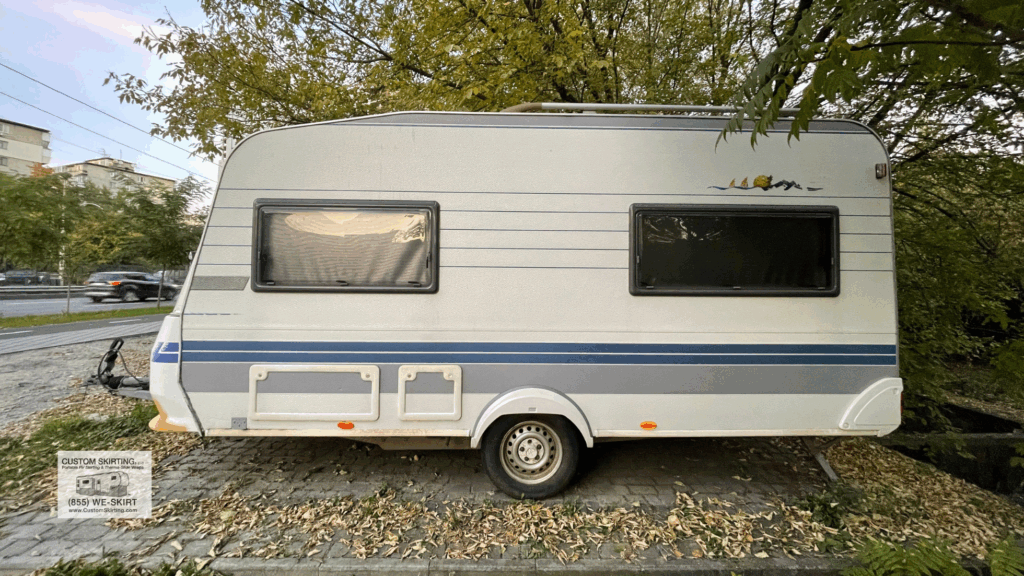
Various aftermarket products can enhance the performance, reliability, and functionality of your RV slide out.
Aftermarket Supports and Stabilizers
Slide supports provide additional stability for extended slide rooms, reducing stress on the factory mechanisms:
Types of Slide Supports:
- Adjustable jack stands: Mechanical supports that adjust to the proper height
- Stabilizing bars: Rigid supports that brace between the ground and slide bottom
- Permanent mount systems: Supports that attach to the RV and deploy when needed
- Slide-out stabilizers: Devices that reduce movement and vibration
Benefits of Using Supports:
- Reduced stress on motors, gears, and hydraulic components
- Minimized sagging and floor flexing in extended slides
- Increased stability during windy conditions
- Extended lifespan of slide mechanisms
- Reduced vibration and movement when walking inside the RV
Installation Considerations:
- Proper placement is critical to avoid damage
- Most supports should only be installed after the slide is fully extended
- Supports should stabilize but not lift or change the slide position
- Follow manufacturer guidelines for weight ratings and placement
Quality slide supports typically cost between $50-300 depending on type and quality. For RVers who spend extended time with slides deployed, these supports can be a worthwhile investment in protecting the RV slide out mechanisms from premature wear.
Slide Toppers and Awnings
Slide toppers are specialized awnings that mount above slide outs to protect them from the elements:
Functions and Benefits:
- Prevent debris, leaves, and pine needles from accumulating on slide tops
- Keep rain and snow from pooling on horizontal slide surfaces
- Reduce UV damage to slide room roofs and seals
- Minimize cleaning requirements before retracting slides
- Provide additional protection against water intrusion
Types Available:
- Manual slide toppers: Extend and retract with the slide movement
- Motorized versions: Include motors for independent operation
- Fabric options: Various materials offering different durability and weather resistance
- Integrated systems: Designed specifically for certain RV models
Installation Considerations:
- Professional installation is recommended for most slide toppers
- Proper measurement is critical for correct fit
- Mounting requires drilling into the RV exterior in most cases
- Fabric tension must be correctly adjusted
Slide toppers typically cost $300-700 per slide, with installation adding $100-300 if professionally done. While this represents a significant investment, the protection they provide can prevent much more costly water damage and seal deterioration, making them one of the most valuable upgrades for rv slide out protection.
Seal Enhancements and Replacements
Upgrading to improved seals can enhance protection against water intrusion and improve climate control:
Seal Upgrade Options:
- Higher quality materials: Upgrading from standard rubber to EPDM or silicone-based seals
- Bulb seal replacements: Enhanced compression seals that provide better contact
- Double-seal systems: Additional seals that provide redundant protection
- Wiper seal improvements: Enhanced designs that clean slide surfaces more effectively
Benefits of Seal Upgrades:
- Improved water resistance in heavy rain and washing
- Better insulation properties for climate control
- Reduced air infiltration and draft prevention
- Extended lifespan compared to standard seals
- Improved performance in extreme temperatures
Installation Considerations:
- Proper removal of old sealant and adhesive is critical
- Correct application of new adhesives affects longevity
- Some advanced seals require professional installation
- Complete replacement of all seals on a slide is recommended
Quality seal upgrades typically cost $100-400 per slide, depending on size and seal type, with professional installation adding $200-500 to the total. For RVers who experience climate extremes or frequent rain, upgraded seals can significantly improve comfort and reduce the risk of water damage.
When considering any slide-out camper or RV slide-out modifications, research thoroughly and consult with experienced RV technicians to ensure compatibility with your specific RV model and slide system. Quality upgrades can enhance reliability and performance, but improper modifications may cause damage or void warranties.
Pros and Cons of RV Slide-Outs

Pros
- Additional Living Space: The most significant advantage is the extra space they provide, making the interior of the RV more spacious and comfortable, especially during extended trips.
- Comfort: With slide-outs, Camper interiors can feature amenities like larger kitchens, more seating areas, and even bedrooms, enhancing the overall comfort and livability of the vehicle.
- Versatility: Slide-outs allow for versatile floor plans, enabling manufacturers to create various layouts to suit different needs and preferences.
- Privacy: With slide-outs, separate rooms can be created within the RV, enhancing privacy for different members of the traveling party.
- Higher Resale Value: RVs with slide-outs generally have a higher resale value because they are in demand due to the additional living space they offer.
Cons
- Maintenance: RV slide-outs require regular maintenance to prevent leaks and ensure smooth operation in its construction. Seals need to be checked and potentially replaced, and mechanisms must be lubricated.
- Weight: Slide-outs add weight to the RV, which can impact fuel efficiency and the overall towing capacity of the vehicle.
- Cost: RVs with slide-outs are generally more expensive than those without, both in terms of initial purchase and potential repair costs.
- Limited Campsite Options: Some campsites might not be suitable for Campers with slide-outs due to space constraints. This limitation can reduce flexibility in choosing campsites.
- Potential for Issues: If not properly maintained, slide-outs can experience issues such as leaks, alignment problems, or malfunctioning mechanisms, which can be costly to repair.
- Decreased Insulation: Slide-outs typically have thinner walls, which might result in decreased insulation compared to the rest of the RV. This can lead to temperature variations inside the vehicle.
Common RV Slide Out Problems and Solutions
Even with proper maintenance, slide out campers and their RV slide-outs can occasionally experience problems. Understanding common issues and their solutions can help you address problems quickly or determine when professional help is needed.
Slide Out Won’t Extend or Retract
When your RV slide out refuses to move, several potential causes may be at play:
Electrical Issues:
- Low battery voltage: Ensure batteries are charged or connect to shore power.
- Blown fuse or tripped breaker: Check the RV’s fuse panel for blown fuses related to the slide system.
- Faulty switch: Test the slide switch for proper operation or bypass it temporarily to test.
- Loose connections: Inspect visible wiring for loose or corroded connections.
Solution: Restore power, replace fuses, repair connections, or replace faulty switches as needed.
Mechanical Obstructions:
- External blockage: Check for tree branches, camping equipment, or other items blocking the slide path.
- Internal obstruction: Look for furniture, items on the floor, or cabinet doors interfering with movement.
- Debris in tracks: Inspect tracks for accumulated dirt, rocks, or other debris.
Solution: Remove obstructions and clean tracks thoroughly before attempting operation again.
System Failures:
- Motor failure: Listen for clicking sounds that indicate the motor is trying to run but failing.
- Hydraulic issues: Check for fluid leaks or the need to refill hydraulic reservoirs.
- Gear damage: Inspect visible gears for broken teeth or misalignment.
- Controller failure: Electronic control modules can fail and prevent operation.
Solution: Motor replacements, hydraulic repairs, and controller issues typically require professional service.
Emergency Measures:
If you need to retract slides for travel when the system isn’t working:
- Locate and use the manual override system specific to your RV
- For electric systems, this typically involves using a hand crank
- For hydraulic systems, manual valve releases usually allow retraction
- Consult your owner’s manual for specific override procedures
When troubleshooting slide issues, always start with the simplest possibilities (power problems and obstructions) before assuming more serious mechanical failures.
Uneven Movement or Alignment Issues
Uneven movement during extension or retraction of a slide out camper often indicates alignment problems that should be addressed promptly:
Symptoms of Misalignment:
- Slide moves faster on one side than the other
- Visible slanting or angling during movement
- Unusual grinding or scraping noises
- Gaps around seals when fully extended or retracted
- Binding or sticking during movement
Common Causes:
- Track obstructions: Debris in tracks causing uneven resistance
- Motor synchronization issues: In multi-motor systems like Schwintek, motors can lose synchronization
- Damaged components: Bent tracks, worn gears, or damaged rollers
- Slide room structural issues: Warping or damage to the slide room frame
- RV not level: Operating slides when the RV isn’t level can cause binding
DIY Solutions:
- Clean tracks thoroughly: Remove all debris and apply appropriate lubricant
- Resynchronize motors: Many systems have reset procedures (consult your manual)
- Tighten loose components: Check for and tighten any loose bolts or fasteners
- Adjust movable stops: Some systems have adjustable stops that can be realigned
When to Seek Professional Help:
- Visible damage to structural components
- Persistent misalignment after DIY attempts
- Binding that doesn’t resolve with cleaning and lubrication
- Significant gaps that allow water intrusion
Alignment issues in a slide-out camper should never be ignored, as continued operation of misaligned slides can cause progressive damage to the entire system. Minor misalignment can often be corrected by owners, but significant problems typically require professional adjustment.
Water Leaks Around Slide Outs
Water leaks are among the most common and potentially damaging RV slide out problems:
Identifying Leak Sources:
- Top seals: Often the first to fail, allowing water to enter from above
- Corner seals: Vulnerable points where multiple seals meet
- Wipe seals: The flexible seals that “wipe” the slide surface during movement
- Floor seals: Often overlooked but can allow water to enter from below
Detection Methods:
- Look for water stains on interior walls, floors, or ceilings near slides
- Feel for dampness in carpeting or soft spots in flooring
- Notice musty odors that may indicate hidden moisture
- During heavy rain, observe carefully for active dripping or seepage
DIY Solutions:
- Seal conditioning: Apply appropriate rubber conditioners to restore flexibility
- Seal replacement: Replace visibly damaged seals with new ones
- Adjust slide alignment: Minor adjustments can sometimes improve seal contact
- Apply sealant: In some cases, appropriate exterior sealants can address small gaps
- Install slide toppers: Awnings that cover the top of slides can prevent water pooling
Professional Repairs:
- Significant seal replacement, especially for complex compression seals
- Structural repairs to slide rooms that have warped
- Addressing water damage to the RV interior
- Comprehensive realignment of slide systems
Water intrusion in a slide-out camper should always be addressed immediately, as even small leaks can cause extensive damage to the RV’s structure, flooring, and interior finishes. The cost of prompt seal maintenance is minimal compared to the potential expense of water damage repairs.
Motor or Hydraulic System Failures
When mechanical components of RV slide-out systems fail, diagnosis and repair options vary in complexity:
Electric Motor Issues:
- Symptoms: Humming without movement, no sound at all, intermittent operation
- Common causes: Worn brushes, burned windings, gear damage, controller failure
- DIY diagnosis: Check for proper voltage at the motor, listen for unusual sounds
- Repair options: Motor replacement is typically the most practical solution
- Approximate costs: $200-600 for the motor plus installation labor
Hydraulic System Problems:
- Symptoms: Slow movement, fluid leaks, unusual noises, incomplete extension/retraction
- Common causes: Fluid leaks, pump failure, valve issues, cylinder damage
- DIY diagnosis: Check fluid levels, inspect for leaks, listen for pump operation
- Repair options:
- Fluid replacement: $50-100 DIY
- Pump replacement: $300-800 plus labor
- Valve repairs: $200-500 plus labor
- Cylinder replacement: $400-1000 plus labor
- Preventive measures: Regular fluid checks and changes can prevent many hydraulic issues
Control Module Failures:
- Symptoms: Erratic operation, no response to controls, partial movements
- DIY diagnosis: Limited options beyond checking connections and power
- Repair options: Module replacement, typically $300-700 plus programming
- Professional diagnosis: Often requires specialized diagnostic equipment
When facing major component failures, consider these factors when deciding between DIY and professional repairs:
- Your mechanical skill level and comfort with electrical/hydraulic systems
- Availability of proper replacement parts
- Access to necessary specialized tools
- Warranty considerations (DIY repairs may void warranties)
- Cost comparison between DIY and professional service
For most RV owners, including those with a slide-out camper, motor replacements and hydraulic repairs are best left to professionals who have the proper tools and experience. However, simple maintenance and minor repairs can often be handled by mechanically inclined owners with proper research and caution.
Conclusion
RV slide-outs have transformed the recreational vehicle experience, offering expansive living spaces that were once impossible in mobile environments. These ingenious systems allow manufacturers to create comfortable, residential-feeling interiors while maintaining road-legal exterior dimensions. Throughout this guide, we’ve explored the various types of RV slide-out mechanisms, room configurations, proper operation procedures, essential maintenance practices, and common troubleshooting solutions. Whether you own a traditional RV or a slide out camper, the principles of care and use remain largely the same—though much depends on the specifics of RV slide out construction and how the system is integrated into your RV.
The key takeaway for any RV owner should be that preventive maintenance is far less expensive and inconvenient than reactive repairs. Regular cleaning, proper lubrication, seal conditioning, and careful operation will significantly extend the life of your slide systems and help avoid costly breakdowns. Understanding the specific type of slide mechanism in your RV—or slide-out camper—allows you to provide the appropriate care and recognize potential issues before they become serious problems. That’s why learning the basics of RV slide-out construction can help you identify structural vulnerabilities or access points for troubleshooting more effectively.
When problems do arise, having the knowledge of RV slide-out construction to diagnose common issues can save you time and money. Many slide problems have simple solutions, such as checking power sources or removing obstructions. For more complex issues, knowing when to seek professional help can prevent further damage to your RV’s systems.
By following the guidelines in this comprehensive guide to RV slide-out construction, you’ll be well-equipped to enjoy the spacious comfort that RV slide outs provide while minimizing maintenance headaches and extending the lifespan of these valuable systems. Remember that each RV is unique, so always consult your owner’s manual for model-specific recommendations and procedures.
Seal in the Warmth—Custom Skirting Designed for Your RV Slide-Outs
Don’t let cold air sneak in through your slide-outs. Our Nation’s #1 RV Skirting Solution is expertly tailored on-site to fit your entire RV—including slide-outs—for a perfect seal and superior insulation. With our patented No-Snap, No-Gap channel system, you’ll enjoy unbeatable protection from wind, snow, and moisture—no drafts, no hassle.
Ready to winterize like a pro?
Book your Custom Skirting today and stay cozy no matter where the road takes you!