

Pros and Cons of RV Living: Everything You Need to Know
Table of contents
The allure of hitting the open road has captured the imagination of countless individuals seeking a change from conventional living. If you’re considering this lifestyle shift, understanding the pros and cons of RV living is essential before taking the plunge. From the freedom of changing your backyard whenever you please to the challenges of living in a compact space, the pros and cons of full-time RV living represent a significant lifestyle change that goes far beyond the picturesque Instagram posts. This comprehensive guide explores the genuine pros and cons of living in an RV or camper, helping you determine if RV living is worth it for your unique situation and goals.
The Freedom and Flexibility of RV Living
Location Independence and Mobility
One of the most celebrated pros and cons of RV/camper living is the unparalleled freedom to change your location with minimal effort. For anyone wondering, “Is RV living worth it?”, this flexibility is often one of the most convincing answers. Unlike traditional homeowners who face lengthy selling processes or renters bound by leases, RV dwellers can typically pack up and relocate within an hour.
This mobility offers practical advantages beyond simple wanderlust. Many full-time RVers establish legal residency in tax-friendly states like South Dakota, Florida, or Texas while traveling throughout the country. This strategic approach can significantly reduce tax burdens while maintaining the freedom to explore—another factor that makes people consider whether RV living is worth it for their lifestyle goals.
The ability to chase ideal weather conditions year-round—what RVers affectionately call “following the 70s”—means you can avoid extreme seasons altogether. Escaping northern winters for southern sunshine or fleeing summer heat for mountain coolness becomes a lifestyle rather than a vacation, making it easy to see why so many travelers conclude that RV living is worth it.
Experiencing Diverse Landscapes and Natural Beauty
Perhaps the most enriching aspect of RV life is discovering the pros and cons of full time RV living firsthand—especially the joy of waking up to constantly changing views. From the mist rising over mountain ranges to oceanfront sunrises, your “backyard” can transform dramatically from week to week, offering a freedom few lifestyles can match.
National parks become more accessible when you bring your home along. Imagine spending weeks exploring the grandeur of Glacier National Park or the unique landscapes of Zion without worrying about hotel availability or costs. Living in an RV during the winter even becomes feasible with proper preparation, opening up seasonal experiences many travelers miss.
For outdoor enthusiasts, RV living provides unprecedented access to recreational opportunities. Mountain bikers, hikers, rock climbers, and water sports enthusiasts can plan extended stays near their favorite playgrounds rather than cramming activities into brief vacation windows.
Creating Your Own Schedule and Routine
Traditional living often revolves around external schedules—commutes, school calendars, and community obligations. One of the most interesting pros and cons of full time RV living is the freedom to design your days around personal preferences rather than external demands.
This flexibility extends to work arrangements for the growing number of digital nomads and remote workers. Many find they can balance productivity with exploration, perhaps working intensively for several days before taking midweek adventures when tourist destinations are less crowded.
The ability to stay longer in places that resonate with you—or leave quickly from those that don’t—creates a lifestyle built around personal preferences rather than convenience or necessity. This autonomy represents one of the most liberating aspects of full time RV living, making it an appealing yet deeply personal choice for those seeking a more intentional way of life.
Financial Aspects of RV Living
Potential Cost Savings
When evaluating the pros and cons of RV/camper living, financial considerations often top the list. For many, RV living can substantially reduce overall living expenses compared to traditional housing.
The elimination of property taxes, reduced utility costs, and lower maintenance expenses can create significant monthly savings. Boondocking (camping without hookups) on public lands can further reduce accommodation costs, with many locations offering free stays for up to 14 days.
The physical constraints of RV living naturally limit accumulation of possessions, reducing impulse purchases and unnecessary spending. Many full-timers report becoming more intentional consumers, asking “where will I put this?” before making purchases.
These savings enable various lifestyle benefits—from earlier retirement to more discretionary spending on experiences rather than possessions. Some RVers find they can work less or pursue passion projects because their cost of living has decreased so dramatically.
Hidden Costs and Financial Realities
Despite potential savings, it’s important to recognize that RV living is not automatically cheaper than traditional housing. Understanding the complete financial picture is crucial when weighing the pros and cons of full-time RV/camper living.
Significant expenses include fuel costs (especially for larger motorhomes), campground fees (which can exceed $75 nightly in popular areas), and RV maintenance and repairs. Unlike traditional homes that typically appreciate, most RVs depreciate rapidly, representing a different type of financial investment.
Unexpected breakdowns can lead to both repair costs and temporary accommodation expenses while waiting for parts or service. Finding qualified RV repair technicians often proves challenging, with many reporting weeks-long waits for appointments at service centers.
Insurance considerations also differ, with specialized RV insurance policies covering both vehicle and dwelling aspects. Many full-timers maintain additional coverage for personal belongings, roadside assistance, and emergency evacuation services.
Balancing Work and Travel
For those not yet retired, maintaining income while traveling represents both an opportunity and challenge. Remote work has become increasingly accessible, with many employers now open to location-independent arrangements. The best RVs to live in full time often include dedicated workspace configurations.
Alternative income streams include seasonal employment (Amazon’s Camperforce program, national park concessions, harvest work), workamping (working at campgrounds for site benefits), and entrepreneurial ventures suited to mobile living. Many RVers develop location-independent businesses like consulting, content creation, or online services.
Reliable internet connectivity remains essential for remote workers. Most develop multi-layered solutions including cellular data plans with multiple carriers, signal boosters, and satellite internet options. Planning travel around connectivity needs becomes second nature, with many maintaining memberships to co-working spaces or coffee shop routines in areas with poor reception.
Lifestyle Changes and Personal Growth
Embracing Minimalism and Simplicity
Transitioning to RV living necessitates significant downsizing—a process many find simultaneously challenging and liberating. When considering “Is RV living worth it,” one of the first realizations is how much simpler life becomes when you let go of excess possessions. The pros and cons of living in an RV include learning to distinguish between items that truly add value versus those accumulated through habit or convenience.
This reduction in material possessions often leads to decreased stress and greater appreciation for experiences over things. Many report feeling “lighter” both literally and figuratively after downsizing, with fewer possessions demanding attention, maintenance, and storage.
Creative storage solutions become essential skills, with multi-purpose items taking precedence over single-use gadgets. The constraints of limited space foster innovation—from magnetic spice racks to collapsible kitchenware—making efficient use of every available inch.
Ultimately, those wondering “Is RV living worth it?” often discover that the minimalist mindset extends beyond physical possessions to time commitments and relationships. Many RVers report making more intentional choices about how and with whom they spend their time—proving that a simpler life on the road can often be the most fulfilling.
Strengthening Relationships
The impact on relationships represents one of the most significant pros and cons of full time RV living. Sharing small spaces requires improved communication, compromise, and teamwork between partners or family members. Many couples report that this lifestyle either strengthens their bond dramatically or quickly exposes incompatibilities that might have remained hidden in larger homes.
For families, RV living often creates stronger bonds through shared experiences and increased quality time. Children typically adapt quickly to the lifestyle, developing flexibility and resilience while experiencing education through travel. RV essentials for beginners become particularly important for families transitioning to this lifestyle.
Relationships with distant friends and relatives may evolve as well. Despite seeing loved ones less often, many RVers find that reunions become more intentional and heartfelt rather than routine or obligatory. Over time, they tend to maintain deeper, more genuine connections with fewer people.
Another positive aspect of the pros and cons of full time RV living is the sense of community that develops within the RV world itself. Campground gatherings, travel clubs, and online RV groups offer instant companionship, shared advice, and emotional support—often leading to lifelong friendships forged around campfires and shared experiences.
Personal Growth and Confidence Building
Overcoming the challenges of RV living builds confidence and resilience in ways many never anticipated. Learning new skills—from driving large vehicles to performing basic repairs—fosters personal growth and self-reliance. Understanding how RV plumbing works or how RV water systems work becomes essential knowledge rather than specialized information.
Stepping outside comfort zones regularly leads to increased adaptability and problem-solving abilities. Many report developing a “can-do” attitude toward challenges that transfers to other life areas. The constant novelty of new locations and experiences keeps minds engaged and learning active.
This lifestyle proves accessible to diverse groups including women, seniors, and solo travelers who often discover new capabilities through the experience. Many report overcoming limiting beliefs about their abilities, particularly regarding technical skills or independence.
Practical Challenges of RV Living
Space Limitations and Storage Constraints
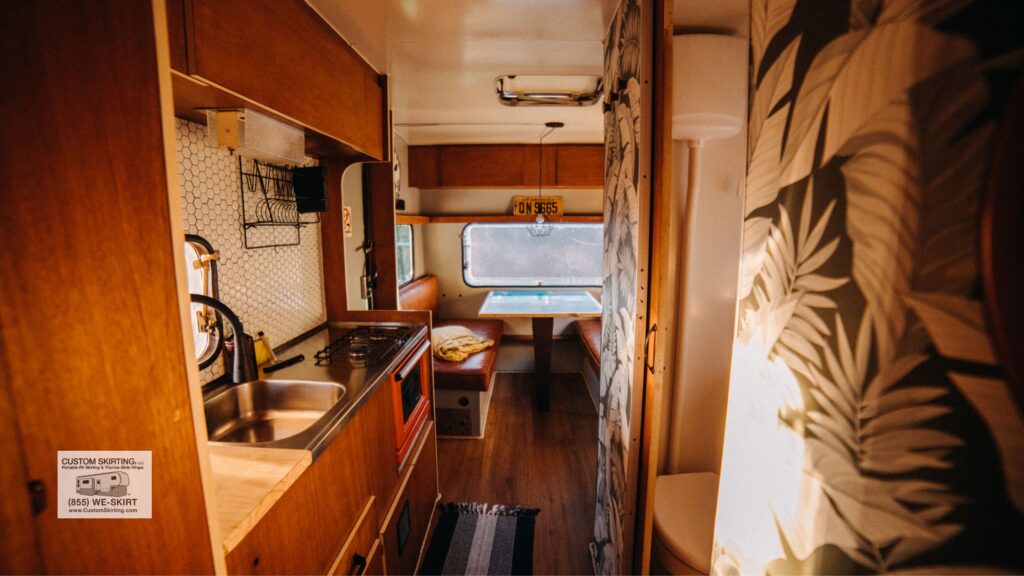
The physical constraints of RV living represent some of the most immediate pros and cons of living in a camper. Even the most spacious RVs offer limited square footage compared to conventional homes, requiring significant adaptation.
Storage challenges extend beyond personal belongings to practical necessities like food, clothing for different seasons, and maintenance supplies. Many develop seasonal rotation systems, storing winter gear with friends or in storage units during summer months and vice versa.
Creative organization becomes essential, with vertical space utilization, multi-purpose furniture, and vacuum storage bags becoming standard solutions. RV storage ideas can help maximize available space while maintaining livability.
These limitations particularly impact those with space-intensive hobbies or professional equipment. Musicians, artists, and outdoor enthusiasts often develop innovative solutions or accept compromises to accommodate their passions within limited space.
Maintenance and Technical Challenges
RVs combine home systems with vehicle mechanics, creating unique maintenance requirements that represent significant pros and cons of RV living. Regular preventative maintenance becomes essential, with tasks ranging from roof inspections to holding tank treatments. RV roof maintenance is particularly critical to prevent costly water damage.
The learning curve for managing RV systems—electrical (both 12V and 120V), plumbing, propane, and waste management—can feel steep for newcomers. Understanding how these systems interact and troubleshooting problems becomes an ongoing education.
Finding qualified repair services often proves challenging, with long wait times at RV service centers being common. This reality makes developing basic repair skills essential, with many RVers becoming surprisingly adept at handling maintenance tasks they would have previously outsourced.
For winter travelers, additional considerations include how to keep moisture out of your RV during winter and protecting plumbing systems from freezing. Custom RV skirting from CustomSkirting.com provides an effective solution for insulating underneath your RV during cold weather.
Logistical Complexities
Daily logistics that homeowners take for granted require creative solutions in mobile living. Mail forwarding services become essential, with most full-timers establishing accounts with specialized providers who scan, forward, or hold mail as needed.
Healthcare access presents unique challenges, with many RVers maintaining relationships with primary care providers in their domicile state while utilizing urgent care or telemedicine for routine needs on the road. Prescription management requires planning, often involving 90-day supplies and national pharmacy chains.
Banking, voting, and legal requirements add additional layers of complexity. Understanding vehicle registration requirements, insurance regulations, and establishing domicile in a travel-friendly state becomes essential knowledge rather than occasional concerns.
Routine tasks like grocery shopping, laundry, and waste disposal require planning without permanent facilities. Many develop systems for food storage without consistent refrigeration space, laundromat routines, and understanding dump station etiquette and availability.
Social and Emotional Aspects
Building Community on the Road
Despite constant movement, RVers create vibrant communities through shared experiences and values. The unique culture of RV communities and campgrounds facilitates quick connections, with many reporting they make friends more easily on the road than in traditional neighborhoods.
Social media groups, RV clubs, and rallies provide structured opportunities to meet like-minded travelers. Organizations like Escapees RV Club offer both practical support and social connections through regional gatherings and special interest groups.
Traveling with pets serves as natural icebreakers and combats potential loneliness. Dogs particularly facilitate social interactions during walks and at pet-friendly areas. Many RVers report their pets adapt well to travel, enjoying the constant companionship and new environments.
These communities provide both practical support during challenges and social enrichment through shared activities. Many full-timers coordinate travel with friends met on the road, creating temporary caravans for added security and social enjoyment.
Managing Isolation and Family Dynamics
The potential for isolation represents one of the key factors people consider when asking, “Is RV living worth it?”—especially for introverts or during off-season travel when campgrounds empty out. Understanding one’s social needs becomes crucial when planning travel rhythms and choosing destinations.
Families face unique challenges when it comes to children’s socialization and education. Many connect with other traveling families through Facebook groups or educational cooperatives, forming temporary communities where children can build friendships. Homeschooling or roadschooling often becomes the norm, allowing parents to turn travel experiences into valuable learning opportunities.
Couples and families must also navigate the intense togetherness that comes with small-space living. Developing strategies for personal space and alone time—whether through scheduled solo activities or creating mental space within physical limits—plays a vital role in maintaining relationship balance and harmony.
Staying connected with non-traveling friends and family takes intentional effort. Regular video calls, social media updates, and planning extended visits can help bridge the distance, though it’s natural for some relationships to shift or fade as lifestyles evolve.
Decision Fatigue and Mental Challenges
The constant decision-making required in RV life—from route planning to campground selection to daily activities—can create cognitive overload. While the freedom to choose represents one of the primary pros and cons of RV/camper living, the responsibility of constant choices can become exhausting.
The lack of routine and familiar surroundings, while initially exciting, can create stress over time. Many develop portable routines that provide structure regardless of location—morning rituals, exercise habits, or work schedules that create consistency amid changing environments.
Planning fatigue affects even experienced RVers, with the constant research required for new destinations, routes, and campgrounds becoming a part-time job. Many combat this by slowing their travel pace, staying longer in each location, or returning to favorite spots rather than constantly seeking new experiences.
Coping strategies include using planning tools like Campendium or RV Trip Wizard to streamline decisions, establishing decision-making frameworks (like maximum driving days or minimum stay lengths), and occasionally staying in familiar locations to reduce cognitive load.
Environmental Considerations
Reducing Environmental Footprint
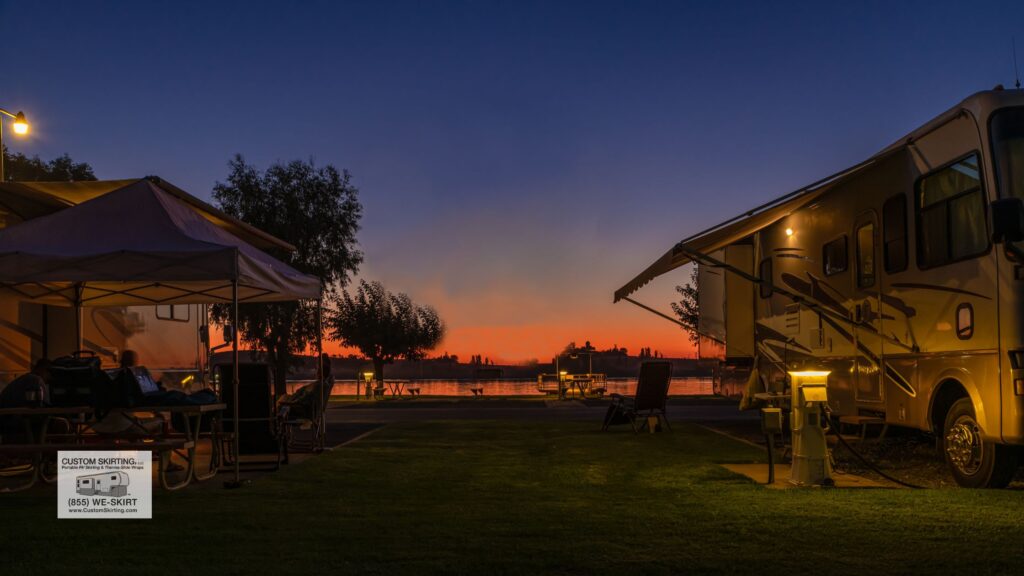
RV living can significantly reduce environmental impact through smaller living spaces, reduced energy consumption, and more mindful resource usage. Many RVers become acutely aware of their water, electricity, and waste production when managing limited tanks and batteries.
Solar power adoption has become increasingly common, with many rigs sporting extensive panel arrays that enable off-grid living with minimal generator use. Best solar panels for RV systems continue to improve in efficiency and affordability, making sustainable power more accessible.
Water conservation becomes second nature, with navy showers, dishwashing techniques, and greywater reuse becoming standard practices. This heightened awareness of resource consumption often transfers to other life areas, creating lasting environmental consciousness.
This lifestyle fosters greater appreciation for environmental protection through direct exposure to natural environments. Many RVers become passionate advocates for conservation after witnessing both pristine wilderness and environmental degradation firsthand.
Environmental Challenges and Responsible Travel
The carbon footprint of driving large vehicles represents one of the environmental cons of RV living. Many mitigate this impact by adopting slower travel patterns, staying longer in each location to reduce frequent moves, and choosing fuel-efficient vehicles when possible.
Responsible boondocking practices become essential for environmental preservation. Following Leave No Trace principles—packing out all waste, minimizing ground disturbance, and respecting wildlife—helps protect natural areas for future visitors.
Many RVers contribute positively to environmental conservation through volunteer opportunities with public lands agencies or conservation organizations. Workamping at state and national parks allows them to give back to the places they enjoy while extending their travel budget.
The RV community increasingly emphasizes sustainable practices, with social pressure and education helping newcomers understand their environmental responsibilities. This collective ethic helps minimize the potential negative impacts of growing RV popularity on natural areas.
Conclusion
The pros and cons of RV living represent a complex equation that each person must evaluate based on their unique priorities, circumstances, and temperament. The freedom, experiences, and personal growth opportunities must be weighed against the practical challenges, space limitations, and logistical complexities.
For many, the ability to wake up to changing landscapes, reduce financial burdens, and live more intentionally outweighs the challenges of maintenance issues, limited space, and occasional isolation. Others may find the constant decision-making, technical learning curve, or distance from established communities too demanding—prompting the question, “Is RV living worth it?”
Before fully committing to full-time RV living, consider a trial period—perhaps renting an RV for an extended trip or living in your own rig for several months while maintaining a home base. This experience provides valuable insights into how you personally respond to both the joys and challenges of mobile living.
Ultimately, successful RV living requires proper preparation, realistic expectations, and adaptability. Understanding that this lifestyle, like any other, involves tradeoffs helps develop the resilience needed for the inevitable challenging days. With thoughtful planning and a flexible mindset, many find that the pros and cons of RV/camper living tip decidedly toward the rewarding side of the scale—helping them confidently answer “Is RV living worth it?” with a resounding yes.
Ready to Enhance Your RV Living Experience?
If you’re considering the RV lifestyle or already embracing it, proper insulation can significantly reduce common “cons” like cold floors, high utility bills, and pest issues. Custom Skirting offers the nation’s #1 RV skirting solution, custom-tailored on-site for a flawless fit that provides unparalleled protection.
Our exclusive “No-Snap, No-Gap” channel system effectively seals out water, snow, and wind better than any other product available. Tested and improved over a decade in the harshest northern winters, our user-friendly design moves with you wherever your adventures lead.
Get Custom Skirting today and transform your RV living experience!