10 Essential Tips for Living Full-time in an RV During Winter
Table of contents
- Choosing the Right RV for Winter Living
- Essential Winterization Steps for Fulltime Living
- 1. Choose the Right Location
- 2. Optimize Your RV’s Heating System
- 3. Insulate Your RV Properly
- 4. Install RV Skirting
- 5. Manage Condensation and Moisture
- 6. Protect Your Water System
- 7. Maintain Your RV’s Battery
- 8. Prepare for Winter Driving
- 9. Dress for Success
- 10. Embrace Winter Activities
- Conclusion
- Related Articles
Living fulltime in an RV in winter presents unique challenges that require careful planning and preparation. Many wonder, can you live in a camper in the winter? The answer is absolutely yes! With the right approach, living in a camper in the winter can be not only manageable but comfortable and enjoyable. This comprehensive guide will walk you through everything you need to know about how to live in a camper in the winter, from selecting the right RV to staying warm and finding ideal winter destinations. Whether you’re a seasoned RVer facing your first cold season or contemplating if you can live in an RV in the winter, this guide will help you navigate the challenges and embrace the rewards of winter RV living.
Is Winter RV Living Right for You?
Before committing to living fulltime in an RV in winter, it’s important to honestly assess whether this lifestyle suits your preferences and capabilities. Winter RVing demands more attention, resources, and resilience than fair-weather travel.
The financial aspect is significant—expect to use considerably more propane for heating (sometimes 2-3 times your summer consumption), potentially higher electricity costs, and additional expenses for winterization supplies like insulation materials and heated hoses. Maintenance becomes more critical and frequent during cold weather, often requiring you to perform tasks in uncomfortable conditions.
Ask yourself these important questions:
- How well do you tolerate cold temperatures?
- Is your budget flexible enough to accommodate increased utility costs?
- Are you willing to perform regular maintenance in freezing conditions?
- Can you adapt to potentially confined spaces during harsh weather?
- Do you have contingency plans for extreme weather events?
Living in a camper in the winter requires mental preparation for potentially spending more time indoors and having limited social interaction during severe weather periods. However, for those who embrace the challenges, winter RVing offers serene landscapes, fewer crowds, and a unique sense of accomplishment.
Choosing the Right RV for Winter Living
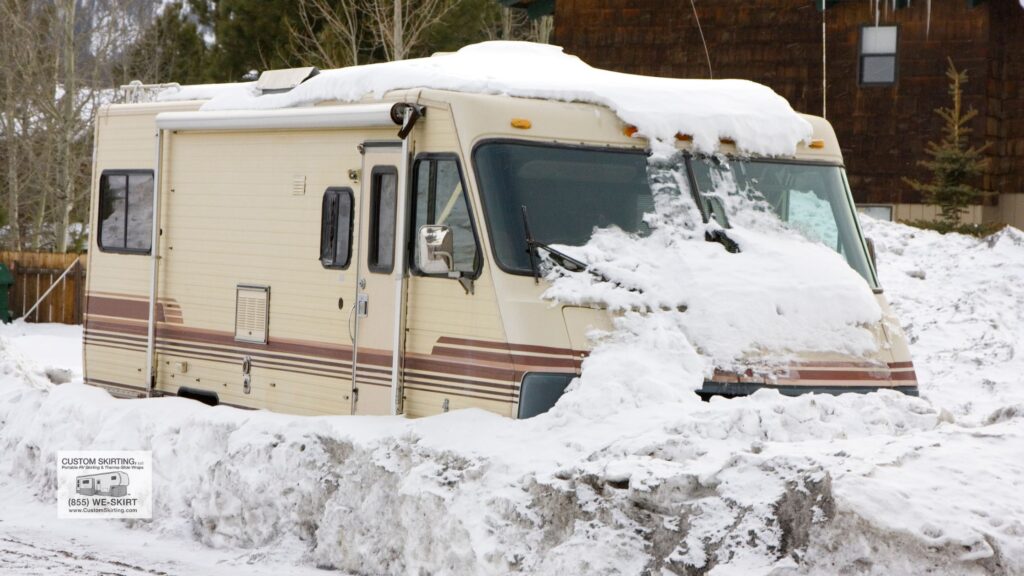
When considering how to live in a camper in the winter, selecting an appropriate RV is perhaps the most crucial decision. Not all recreational vehicles are created equal when it comes to cold-weather performance.
Top RV Brands for Winter Living
If you’re shopping for a new RV specifically for winter living, these manufacturers offer models with superior cold-weather features:
- Keystone Montana – These fifth wheels come with an optional “Four Seasons Living Package” that includes enclosed and heated underbellies, extra insulation in the roof, floors, and walls, and dual-pane windows. Price range: $60,000-$120,000.
- Northwood Arctic Fox – Both their travel trailers and fifth wheels feature four-season protection with high R-value insulation, heated tanks, and thermal pane windows. Their construction is specifically designed for extreme weather conditions. Price range: $40,000-$80,000.
- Heartland Bighorn – These luxury fifth wheels offer excellent insulation values (R-38 in the roof, R-17 in the walls, R-30 in the floor) and come with heated and enclosed underbellies. Price range: $65,000-$130,000.
- Oliver Trailers – These fiberglass travel trailers provide superior insulation through their double-hull construction, creating a thermal barrier that performs exceptionally well in cold weather. Price range: $50,000-$70,000.
- Forest River Sunseeker – These Class C motorhomes offer optional cold weather packages that include tank heaters and additional insulation. Price range: $80,000-$150,000.
- Grand Design – Their Reflection, Solitude, and Momentum models all feature excellent four-season protection with high R-value insulation packages. Price range: $60,000-$120,000.
- Winnebago – Select models offer thermal packages with added insulation and heated tanks. Their motorhomes tend to perform better in winter than their travel trailers. Price range: $90,000-$200,000+.
When evaluating an RV for winter living, look specifically for:
- Enclosed and heated underbellies
- Double or triple insulation in walls, floor, and ceiling
- Dual-pane windows
- Arctic packages or four-season designations
- Insulated holding tanks and water lines
- Robust heating systems with adequate BTU output
Remember that even the best winter-ready RVs will likely need additional modifications for comfortable fulltime winter living.
Essential Winterization Steps for Fulltime Living
Winterizing for fulltime living differs significantly from winterizing a stored RV. Instead of draining systems and adding antifreeze, you’ll need to prepare your RV to function efficiently in freezing temperatures while you’re actively using it.
RV Insulation Techniques
Proper insulation is critical when living fulltime in an RV in winter. Here’s how to enhance your RV’s thermal efficiency:
Windows: Windows are major sources of heat loss. Address them with:
- Shrink film insulation kits that create an air barrier
- Thermal curtains that block drafts and provide additional insulation
- Reflective window coverings that reflect heat back into the RV
- Foam board inserts for windows that aren’t needed for light or ventilation
Floors: Cold floors can make your entire RV uncomfortable. Consider:
- Adding area rugs or carpet for additional insulation and comfort
- Installing foam board insulation beneath existing flooring if possible
- Using reflective insulation under your RV to prevent cold air from cooling the floor
Roof and Vents: Heat rises, making your roof a critical area for insulation:
- Install vent cushions or pillows in roof vents when not in use
- Add additional insulation to ceiling areas where possible
- Use magnetic vent covers for bathroom and kitchen vents
Walls: While more challenging to modify, walls can be improved with:
- Removable foam board panels for extreme conditions
- Tapestries or fabric wall hangings that add a small layer of insulation
- Strategic furniture placement against exterior walls
Seal any drafts or leaks with appropriate caulking, weather stripping, or expanding foam. Pay special attention to areas around doors, windows, slide-outs, and utility access points.
Protecting Your RV’s Plumbing System
When living in a camper in the winter, protecting your water system is essential to prevent costly damage and maintain functionality:
Water Supply:
- Use a heated water hose (like Camco’s heated drinking water hose) to prevent freezing between the spigot and your RV
- Insulate all exterior water connections with foam pipe insulation and heat tape
- Consider a water pump system that recirculates water to prevent freezing in pipes
Holding Tanks:
- Install tank heaters or heating pads on black and grey water tanks
- Add RV-specific antifreeze to grey and black tanks (never to fresh water tanks)
- Keep tanks partially open to prevent waste freezing in the pipes, but closed enough to allow some liquid accumulation
Interior Plumbing:
- Allow faucets to drip slightly during extreme cold to prevent freezing
- Keep interior cabinets that house plumbing slightly open to allow warm air circulation
- Consider installing small space heaters near plumbing areas during extreme cold
Emergency Preparation:
- Know how to thaw frozen connections safely using heat guns or hair dryers
- Have backup water stored inside in case of complete system freezing
- Learn how to temporarily bypass frozen components of your system
RV Skirting Options
RV skirting is perhaps the single most effective winterization step for living fulltime in an RV in winter. Skirting creates a barrier around the bottom of your RV, trapping heat and protecting your undercarriage and tanks.
Commercial Vinyl Skirting:
Custom Skirting offers premium vinyl skirting solutions custom-fitted to your specific RV. Their “No-Snap, No-Gap” channel system provides superior protection against wind, snow, and cold. This professional-grade skirting is designed for multiple seasons of use and can be easily installed and removed as you travel.
Foam Board Installations:
- Rigid foam insulation boards (1-2 inches thick) can be cut to size and installed around your RV
- Secure with tape, velcro, or specialized clips
- Relatively inexpensive but less durable than commercial options
- May require replacement after one or two seasons
Inflatable Systems:
- Products like AirSkirt use inflatable tubes to create an air barrier
- Quick to set up and take down
- Good for temporary situations or frequent moves
- Less effective in extreme conditions than solid skirting
DIY Alternatives:
- Hay bales (fire risk must be considered)
- Plywood panels with insulation attached
- Snow banking (piling snow around the base of the RV)
- Tarps with insulation materials
Proper skirting can reduce propane consumption by 25-50% and is essential for protecting pipes and tanks in sub-freezing temperatures. The investment in quality skirting quickly pays for itself in fuel savings and prevented damage.
1. Choose the Right Location
Selecting the right location is crucial for living fulltime in an RV in winter. Many campgrounds close seasonally, so it’s important to verify year-round availability before making any plans. Opt for RV parks with full hookups and winter amenities. These parks often provide heated bathhouses, laundry facilities, and community rooms where you can stay warm and socialize. Additionally, choosing a location with milder winter temperatures can make living in a camper in the winter more manageable.
Benefits of Suitable Winter RV Locations:
- Full hookups (water, sewer, and electricity)
- Heated bathhouses and laundry facilities
- Community rooms and social activities
- Proximity to essential services and supplies
2. Optimize Your RV’s Heating System
Heating your RV efficiently is essential for surviving the winter months. RVs typically come with propane furnaces, but electric heaters can also be effective. Understanding the pros and cons of each heating method and knowing how to manage your propane supply are key to staying warm.
Heating Options:
- Propane Furnaces: Powerful and quick to heat, but require regular propane refills and can be noisy.
- Electric Heaters: Quiet and convenient, but may not suffice in extremely cold conditions. Combine both heating methods for the best results.
Tips for Efficient Heating:
- Regularly check and refill propane tanks.
- Use space heaters to supplement the main heating system.
- Ensure proper ventilation to avoid carbon monoxide buildup.
3. Insulate Your RV Properly
Proper insulation is critical for maintaining warmth in your RV during winter. Start by sealing drafts around windows, doors, and vents using weatherstripping and caulk. Thermal curtains can help retain heat inside the RV. Additional insulation materials like Reflectix can be used on windows and walls to improve thermal efficiency. If you have a four-season RV, you already have an advantage, as these models are designed with better insulation and heating systems.
Insulation Tips:
- Seal drafts around windows, doors, and vents.
- Use thermal curtains and Reflectix on windows and walls.
- Consider adding rugs or carpets to insulate the floor.
- Use insulated skirting around the RV to reduce heat loss.
4. Install RV Skirting
RV skirting is a crucial addition for winter living in a camper. It involves placing a barrier around the base of your RV to reduce heat loss and prevent cold air from entering. This not only keeps the interior warmer but also protects the plumbing and undercarriage from freezing temperatures.
Importance of RV Skirting in Winter
- Reduces Heat Loss: Acts as an insulative barrier, retaining heat within the RV.
- Protects Plumbing: Prevents water pipes from freezing, ensuring a steady water supply.
- Enhances Comfort: Creates a buffer zone against harsh winds and cold air.
Commercial and Custom Options
Commercial options like AirSkirts provide easy-to-install solutions, but custom-made RV skirts, such as those from Custom Skirting, offer a tailored fit for your specific RV model. Custom Skirting provides on-site blueprinting and tailoring, ensuring a perfect fit and maximum protection with their “No-Snap, No-Gap” channel system, which effectively seals out water, snow, and wind.
5. Manage Condensation and Moisture
Condensation is a common issue in RVs during winter, leading to moisture buildup and potential mold growth. Use a dehumidifier to manage humidity levels inside your RV. Both passive dehumidifiers, which use absorbent materials, and electric dehumidifiers can be effective. Additionally, ensure good ventilation by using vent fans and opening windows periodically to reduce moisture.
Moisture Management Tips:
- Use a dehumidifier to control humidity levels.
- Ventilate the RV regularly to reduce moisture buildup.
- Use absorbent materials in problem areas.
- Wipe down surfaces to prevent mold growth.
6. Protect Your Water System
Freezing temperatures can wreak havoc on your RV’s water system. Use heated water hoses and tank heaters to prevent water from freezing. Properly insulate exposed pipes and fittings. To maintain access to fresh water, keep your fresh water tank full and use RV antifreeze in your gray and black water tanks to prevent freezing.
Water System Protection Tips:
- Use heated water hoses and tank heaters.
- Insulate exposed pipes and fittings.
- Keep your fresh water tank full.
- Add RV antifreeze to gray and black water tanks.
7. Maintain Your RV’s Battery
Cold weather can be tough on your RV’s battery. Use battery heat pads to keep them warm and maintain their charge. Proper charging techniques, such as using a smart charger, can extend battery life. Check the battery levels regularly and keep them fully charged to avoid any power issues during winter.
Battery Maintenance Tips:
- Use battery heat pads to maintain warmth.
- Employ smart charging techniques.
- Regularly check and charge batteries.
- Consider using solar panels for supplemental power.
8. Prepare for Winter Driving
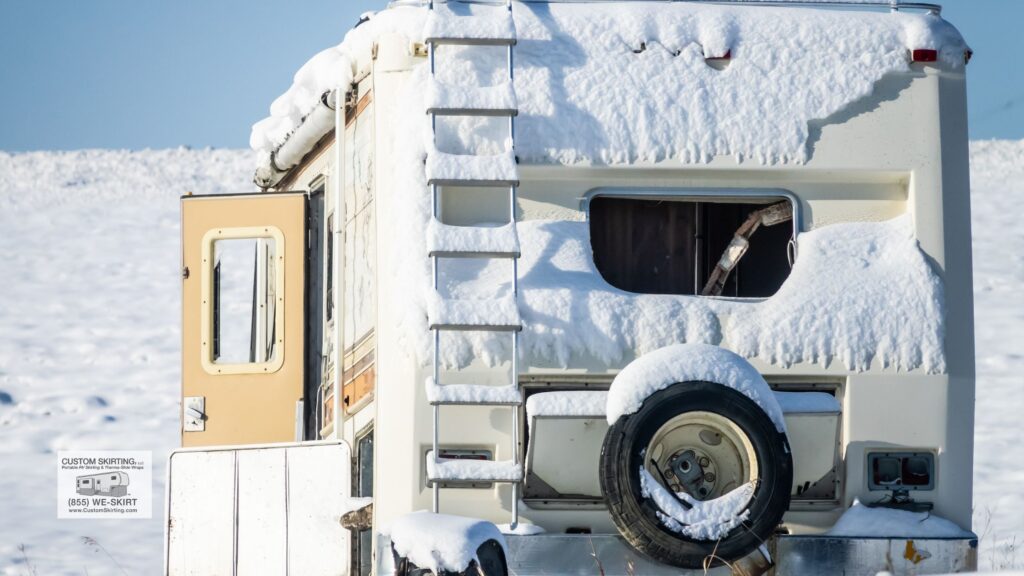
Driving an RV in winter conditions requires extra caution. Equip your RV with proper tires suited for winter driving and consider using tire chains in snowy or icy conditions. Practice safe driving techniques, such as reducing speed and increasing following distance. Keep a winter emergency kit in your RV, including items like a shovel, ice scraper, extra blankets, and a first aid kit.
Winter Driving Tips:
- Use winter tires or tire chains.
- Reduce speed and increase following distance.
- Keep a winter emergency kit in the RV.
- Monitor weather conditions and plan routes accordingly.
9. Dress for Success
Wearing appropriate clothing is crucial for staying warm during winter RV living. Use layering techniques with thermal wear to trap body heat. Invest in high-quality winter clothing, including thermal socks, gloves, hats, and proper footwear. For extra warmth, use thermal sleeping bags and electric blankets at night.
Clothing Tips:
- Layer clothing with moisture-wicking base layers, insulating mid-layers, and waterproof outer layers.
- Wear thermal socks, gloves, hats, and proper winter footwear.
- Use thermal sleeping bags and electric blankets for added warmth.
- Keep extra blankets and warm clothing on hand.
10. Embrace Winter Activities
One of the benefits of living in a camper in the winter is the opportunity to enjoy seasonal activities. Participate in nearby winter sports like skiing, snowboarding, and ice skating. Explore local winter festivals and attractions. Embracing these activities can make your winter RV experience more enjoyable and memorable.
Winter Activity Tips:
- Stay active and engaged to avoid cabin fever.
- Research local winter sports and activities.
- Attend winter festivals and events.
- Take advantage of the unique winter landscapes for photography and exploration.
Conclusion
Living fulltime in an RV in winter presents unique challenges, but with proper preparation, equipment, and mindset, it can be a comfortable and rewarding experience. The key to success lies in thorough preparation, appropriate equipment, and realistic expectations.
Winter RVing requires more vigilance and resources than fair-weather travel, but it offers unique rewards: serene snow-covered landscapes, fewer crowds, and the satisfaction of mastering challenging conditions. Many RVers find that the winter months provide a special kind of peace and beauty that summer travelers never experience.
If you’re new to winter RVing, consider starting with shorter trips in moderate winter conditions before committing to a full season in severe cold. Connect with experienced winter RVers through online forums and RV clubs to gain additional insights and support.
With the right approach, can you live in an RV in the winter? Absolutely. Not only can you survive, but with proper preparation, you can thrive while living fulltime in an RV in winter.
Stay Warm and Protected with Custom Skirting!
Don’t let winter compromise your RV lifestyle! At Custom Skirting, we blueprint and custom-tailor your RV skirting on-site, ensuring a flawless fit that provides unparalleled protection against harsh winter elements. Our exclusive “No-Snap, No-Gap” channel system seals out water, snow, and wind more effectively than any other product on the market.
With over a decade of testing in the harshest winters across the northern United States and Canada, our skirting has proven itself as the top choice for RV enthusiasts serious about winter living. Plus, our user-friendly design allows for quick setup and can move with you whenever adventure calls.
Get Custom Skirting today and transform your winter RV experience from challenging to comfortable!