How to Keep RV Cool In Summer: 17 Effective Ways
Table of contents
Summer RV adventures offer freedom and excitement, but they also bring a common challenge: how to keep RV/camper cool in summer when temperatures soar. The metal construction, limited insulation, and confined spaces of recreational vehicles make them particularly susceptible to heat buildup. While your RV AC might seem like the obvious solution for keeping your RV cool in extreme heat, relying solely on air conditioning can drain batteries, increase energy costs, and risk breakdowns at the worst possible time. Fortunately, there are numerous effective strategies for how to keep an RV cool without depending entirely on the best RV AC systems. This comprehensive guide will explore practical solutions for how to keep campers cool in summer, from strategic campsite selection to equipment installations that will transform your hot-weather camping experience.
Strategic Campsite Selection
Your first line of defense against excessive heat begins before you even arrive at your destination. While investing in the best RV AC can make a huge difference in comfort, how you position your RV and where you choose to camp can also dramatically impact interior temperatures.
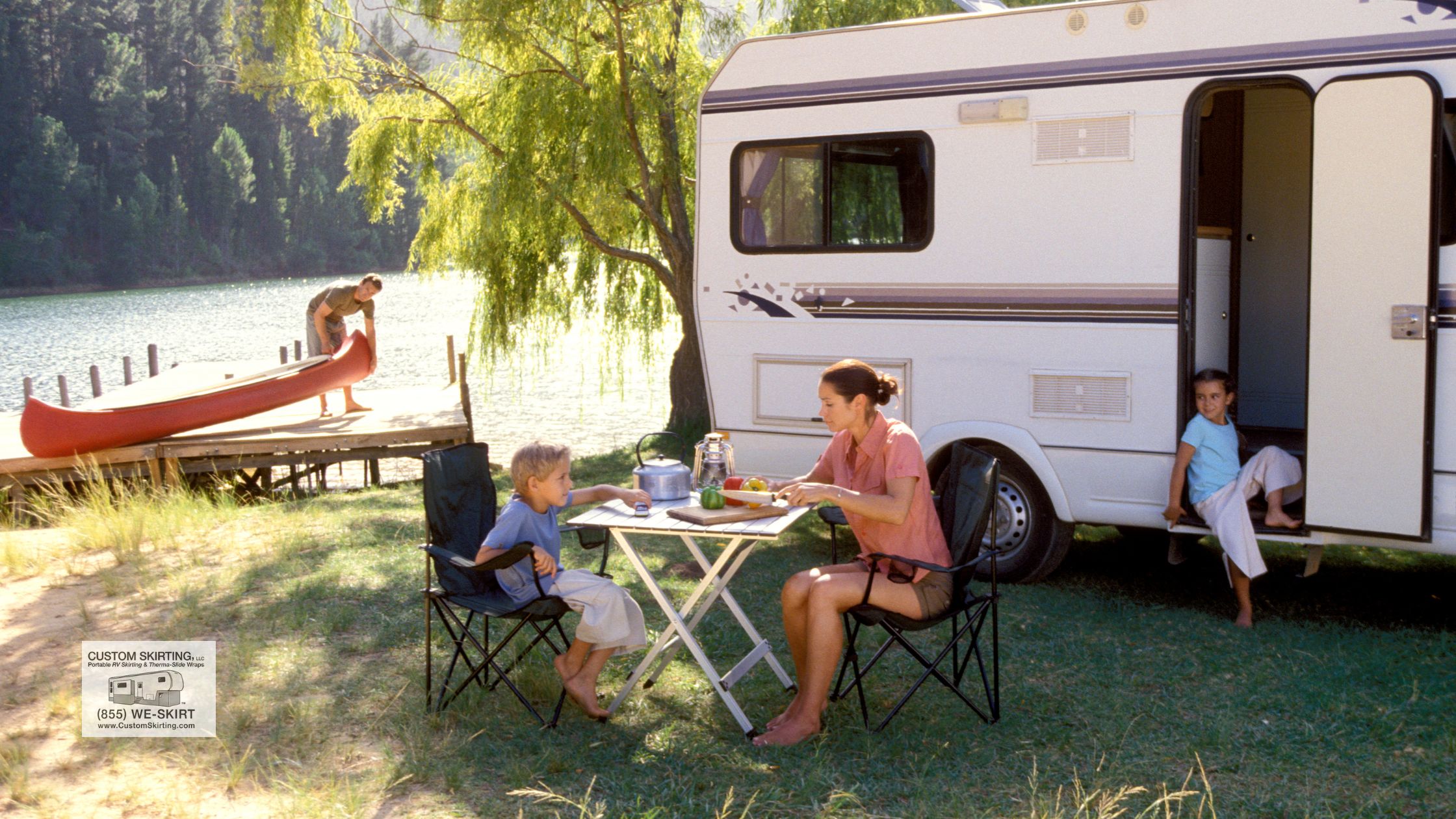
When researching campgrounds, prioritize sites with natural shade from mature trees. These natural canopies can reduce the ambient temperature around your RV by 10–15 degrees. Many campground reservation systems allow you to view satellite images of sites or read reviews from previous campers mentioning shade availability.
Consider the sun’s path throughout the day when positioning your RV. Ideally, you want your main windows and door facing north or east to minimize exposure to the harsh afternoon western sun. If possible, position your RV so that your awning side faces south or west to provide additional shade during the hottest parts of the day.
Higher-elevation campsites naturally offer cooler temperatures, with average temperature drops of 3–5°F per 1,000 feet of elevation gain. This natural cooling effect can make a significant difference in your comfort level without any additional equipment.
Finally, pay attention to prevailing winds and position your RV to take advantage of natural breezes. Setting up with your windows aligned with the direction of typical afternoon winds can create refreshing cross-ventilation that works hand in hand with your best RV AC to keep your interior cool and comfortable, even in extreme heat.
Exterior Shade Solutions
1. Awnings and Canopies
Your RV’s built-in awning is one of your most valuable tools for how to keep an RV cool. When fully extended, awnings can reduce the temperature of shaded exterior walls by up to 20 degrees, which translates to cooler interior temperatures.
For maximum effectiveness, extend your awning early in the morning before the sun begins heating your RV. Consider supplementing your main awning with additional portable canopies or tarps to create shade over more of your vehicle. Window awnings are particularly effective, as they block direct sunlight while still allowing windows to remain open for ventilation.
Aftermarket awnings can be added to windows and doors that lack built-in shade options. These relatively inexpensive additions can significantly enhance your RV’s cooling capabilities. When setting up awnings, ensure they’re properly secured with stakes or weights, especially in windy conditions.
The shaded outdoor living space created by awnings and canopies also encourages spending time outside your RV, reducing interior heat buildup from cooking and body heat.
2. Window Covers and Reflective Solutions
Windows are major contributors to heat gain in RVs, with studies showing that up to 30% of unwanted heat enters through windows. Exterior window covers are significantly more effective than interior solutions because they block heat before it enters your RV.
Reflective windshield covers are essential for how to keep an RV/camper cool in summer, as the large front windshield can act like a greenhouse. Custom-fit reflective covers provide better coverage than universal options, though both are effective. For side windows, consider Reflectix or similar bubble-insulation products cut to fit each window exactly.
Window films like 3M Crystalline can block up to 97% of heat-producing infrared light while still allowing visibility. These can be particularly useful for windows you want to see through while still reducing heat gain.
Many RV owners report temperature differences of 7-10 degrees when using comprehensive exterior window covering strategies. The investment in quality covers pays dividends in comfort and reduced cooling costs.
3. Roof Protection Strategies
Your RV’s roof receives the most direct sunlight and can reach temperatures exceeding 150°F on hot summer days. This heat radiates downward into your living space, making roof protection crucial for how to keep camper cool in summer.
Reflective roof coatings like Heng’s Rubber Roof Coating with UV protection can reduce roof temperatures by up to 30%. These coatings reflect sunlight rather than absorbing it, significantly reducing heat transfer to the interior.
Portable shade structures positioned over your RV provide another effective solution. Options range from mesh shade cloths that allow airflow while blocking UV rays to dedicated RV roof covers designed specifically for heat reduction.
For boondockers or those staying in one location for extended periods, consider constructing a temporary carport-style structure over your RV. The shade created by these structures can reduce interior temperatures by 15-20 degrees compared to direct sun exposure.
Interior Cooling Techniques
4. Optimizing Ventilation
Proper ventilation is fundamental to how to keep an RV cool without relying exclusively on air conditioning. Creating effective cross-ventilation can flush hot air out while drawing cooler air in.
Roof vents play a crucial role in the ventilation strategy. When equipped with fans, they can extract hot air that naturally rises to the ceiling of your RV. For maximum effectiveness, open windows on the shaded side of your RV while running roof vent fans to create a cooling airflow path.
The timing of ventilation is critical. Open windows and vents during cooler morning and evening hours, then close and cover windows before the day heats up. This strategy traps cooler air inside while blocking heat from entering.
Consider installing vent covers like MaxxAir or Fan-Tastic Vent covers, which allow you to keep vents open even during rain. These accessories enable continuous ventilation regardless of weather conditions, a key factor in keeping your RV comfortable during the summer months.
When not using vents for ventilation, insulated vent pillows can prevent heat transfer through these otherwise poorly insulated openings in your roof.
5. Strategic Fan Placement
Portable fans significantly enhance air circulation and create a cooling effect through evaporation of perspiration. The strategic placement of these fans can dramatically improve comfort levels when learning how to keep RV/camper cool in summer.
Box fans positioned in windows can either pull cool air in or push hot air out, depending on your needs. For maximum efficiency, place intake fans on the shaded side of your RV and exhaust fans on the sunny side to create a cooling pathway through your living space.
Tower fans with oscillation features distribute air more evenly throughout the RV and take up minimal floor space. Battery-operated fans provide cooling options when boondocking or during power limitations.
Ceiling fans, if your RV has the height clearance, can be particularly effective. In summer, set ceiling fans to rotate counterclockwise to create a direct cooling breeze. Some RV owners install small USB-powered fans near sleeping areas to improve comfort during hot nights without running the air conditioner.
6. Insulation Enhancements
Many RVs have minimal factory insulation, making additional insulation one of the most effective strategies for how to keep a camper cool in summer — even if you already have the best RV AC installed.
Reflective window insulation panels can be cut to fit precisely in each window frame. These panels, often made from Reflectix or similar materials, can reduce heat gain through windows by up to 60%. For a more permanent solution, consider thermal curtains or blackout blinds that block light and provide insulation.
Skylights and roof vents are often poorly insulated. Custom-cut foam insulation panels covered with reflective material can block heat transfer through these openings when not needed for ventilation.
For those undertaking renovations, adding insulation to walls and ceilings can provide long-term temperature control benefits. Spray foam insulation offers the highest R-value per inch, though it requires professional installation. Rigid foam board insulation provides an effective DIY alternative that can be installed during interior upgrades.
The floor of your RV can also transfer heat, particularly when parked on hot asphalt or concrete. Insulated rugs or floor coverings provide an additional barrier against heat transfer from below, keeping your RV comfortable and helping your best RV AC run more efficiently.
7. LED Lighting Conversion
Traditional incandescent bulbs convert approximately 90% of their energy consumption into heat rather than light. This unnecessary heat source contributes significantly to interior warming.
Converting to LED lighting reduces heat output by up to 90% compared to incandescent bulbs. This simple upgrade not only helps with keeping the RV cool in extreme heat but also reduces energy consumption by 75-80%, extending battery life for boondockers.
The conversion process is straightforward, with direct replacement LED bulbs available for most RV fixtures. Focus first on replacing lights in areas where you spend the most time, such as the living area and kitchen.
Beyond temperature benefits, LED lights last 25 times longer than traditional bulbs, reducing maintenance needs and providing more consistent lighting for your RV adventures.
Heat Reduction Practices
8. Cooking Strategies
Cooking generates significant heat and humidity inside your RV, with a typical meal preparation raising interior temperatures by 5-10 degrees. Adapting your cooking habits is essential for how to keep RV/camper cool in summer.
Outdoor cooking options like portable grills, camp stoves, or solar ovens keep heat outside where it belongs. For indoor cooking, microwave ovens generate approximately 60% less heat than conventional ovens for the same cooking task.
No-cook meal planning is particularly valuable during hot weather. Sandwiches, salads, cold soups, and pre-cooked proteins provide nutritious options without adding heat to your living space.
9. Electronics Management
Electronic devices generate surprising amounts of heat inside your RV. A laptop alone can produce up to 85 watts of heat during operation, while TVs, gaming systems, and chargers all add to the thermal load. Even with the best RV AC system, these heat sources can make it harder to maintain a comfortable temperature during hot weather.
Implement a routine of turning off and unplugging devices when not in use. Many electronics continue to produce heat and draw power even in standby mode. Using power strips that let you disconnect multiple devices with a single switch can help reduce both heat and energy consumption.
Try to schedule electronics use during cooler parts of the day — for example, doing computer work in the morning or watching movies in the evening. This helps align high heat-generating activities with naturally lower temperatures, taking some pressure off your RV’s cooling system.
Finally, when shopping for RV electronics, choose energy-efficient models with Energy Star ratings. These devices typically generate less heat, which not only helps your best RV AC work more efficiently but also keeps your living space cooler and more comfortable overall.
10. Body Heat Considerations
Each person in your RV generates approximately the same heat as a 100-watt light bulb, while active pets can add significant thermal energy to small spaces.
During the hottest parts of the day, encourage outdoor activities to reduce interior body heat accumulation. Creating comfortable outdoor living spaces with shade, seating, and perhaps a misting system makes this strategy more appealing.
For pets, provide cooling mats or elevated beds that allow airflow underneath. Ensure pets have access to fresh water and shade when outdoors, and consider cooling vests for dogs during walks or outdoor activities.
Lightweight, breathable clothing made from natural fibers like cotton or linen helps reduce personal discomfort and minimizes the moisture added to your RV’s interior environment.
Cooling Equipment and Accessories
11. Portable Evaporative Coolers
Evaporative coolers (often called swamp coolers) provide efficient cooling in dry climates by evaporating water into the air. These units consume significantly less electricity than traditional air conditioners, making them excellent options for how to keep an RV cool while boondocking.
Small portable units like the evaCHILL ($99) can cool areas up to 45 square feet using just 7.5 watts of power, making them suitable for bedside cooling. Mid-sized options like the evaLIGHTplus ($149) cool up to 55 square feet while still using minimal power, perfect for main living areas in smaller RVs.
For larger RVs, the evaSMART ($229) cools up to 33 square feet while offering smart home integration. These units work best in environments with relative humidity below 60%, making them ideal for desert camping but less effective in humid coastal regions.
The water consumption of these units varies from 0.5 to 1.3 liters per day, requiring minimal resources while providing temperature reductions of 5-15 degrees in appropriate conditions.
12. Air Conditioner Optimization
When temperatures rise to extreme levels, having the best RV AC can make all the difference in keeping your rig comfortable. Maximizing your air conditioner’s efficiency not only keeps your RV cool in extreme heat but also helps minimize power consumption.
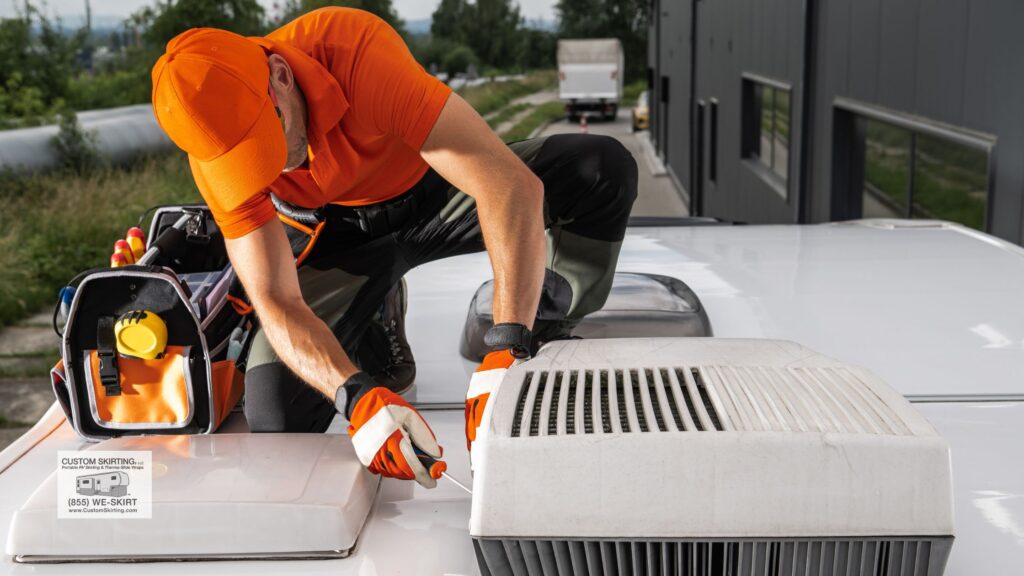
Regular maintenance is key to optimal performance. Clean or replace air filters monthly during heavy use—dirty filters can reduce efficiency by up to 15%. It’s also important to clean the exterior condenser coils at least twice per season to remove dust and debris that restrict airflow and hinder heat transfer.
For even better performance, consider installing a soft starter device. This upgrade reduces the large power surge required when your AC cycles on, allowing the best RV AC units to run smoothly with smaller generators or limited shore power, while reducing strain on the system.
Finally, when your air conditioner isn’t in use, protect it with a quality AC cover. This prevents unnecessary heat transfer and shields the unit from environmental damage, extending the lifespan and maintaining the efficiency of your best RV AC.
13. Cooling Mattress Solutions
Quality sleep is essential for enjoying your RV adventures, but hot nights can make rest elusive. Specialized bedding can dramatically improve sleep comfort when learning how to keep camper cool in summer.
Cooling mattress toppers made with gel-infused memory foam or phase-change materials actively draw heat away from your body. These toppers can create a sleeping surface 3-7 degrees cooler than standard mattresses.
Breathable bedding materials like bamboo, Tencel, or Egyptian cotton wick moisture away from the body and allow better airflow than synthetic fabrics. Consider temperature-regulating sheets specifically designed for hot environments, which store and release heat as needed to maintain comfortable sleeping temperatures.
For extreme conditions, cooling mattress pads with water circulation systems like the ChiliPad provide precise temperature control, though they require electricity to operate. These systems can maintain your preferred sleeping temperature regardless of ambient conditions.
14. Humidity Control
High humidity makes hot temperatures feel even more uncomfortable by preventing the evaporation of perspiration — your body’s natural cooling system. Managing humidity is a critical component of how to keep an RV or camper cool in summer, especially when paired with the best RV AC to maintain a comfortable indoor climate.
Portable dehumidifiers extract moisture from the air, making the environment feel cooler even at the same temperature. For RVs with adequate power, compressor dehumidifiers like the hOmeLabs 1,500 sq. ft Energy Star Dehumidifier remove up to 22 pints of moisture daily while operating efficiently.
For boondockers or those with limited power, desiccant dehumidifiers use chemicals rather than compressors to remove moisture. These units consume less electricity but typically have lower capacity than compressor models.
Disposable moisture absorbers like DampRid provide a no-power option for smaller spaces or storage compartments. These products use calcium chloride to attract and trap moisture, reducing humidity in localized areas — a perfect complement to the best RV AC systems for achieving optimal comfort during humid summer trips.
Proper ventilation during high-humidity activities like showering and cooking prevents moisture buildup. Consider installing bathroom vent fans if your RV isn’t already equipped with them.
Maintenance and Preparation
15. Refrigerator Efficiency
RV refrigerators generate significant heat during operation, especially absorption refrigerators that use propane. Since excess heat can make it harder for keeping your RV cool in extreme heat, optimizing refrigerator performance is essential for comfort and energy efficiency.
Whenever possible, run your refrigerator on propane rather than electricity when camping in hot weather. Propane operation vents heat outside the RV, while electric operation releases it into your living space, increasing interior temperatures.
To reduce heat buildup, pre-cool your refrigerator 24 hours before loading it with food, and pre-chill all items beforehand. This lessens the initial cooling demand and lowers overall heat generation. Additionally, organize contents to minimize door opening time—each time the door opens, cold air escapes and warm air enters, making it harder to maintain efficiency and keep your RV cool in extreme heat.
16. Pre-Trip Cooling Strategies
Preparation before departure can significantly impact your comfort during the first days of your trip. Implementing pre-trip cooling strategies is essential for how to keep RV cool in summer from the moment you arrive at your destination.
Install reflective window coverings before hitting the road to prevent heat buildup during travel. Position sun shades on the dashboard and driver/passenger windows to reduce heat gain while driving.
Consider traveling during cooler parts of the day. Early morning departures allow you to drive during cooler hours and set up camp before the afternoon heat peaks. If traveling through particularly hot regions, plan overnight stops with electrical hookups to ensure comfortable sleeping temperatures.
17. Seasonal Preparation
Comprehensive seasonal preparation ensures your cooling systems perform optimally when you need them most. A systematic approach to summer readiness is key to keeping your RV or camper cool in extreme heat throughout the season.
Before the hot weather hits, make sure your best RV AC is professionally serviced. This includes checking refrigerant levels, cleaning components, and inspecting electrical connections. A well-maintained air conditioning system—especially when it’s one of the best RV AC units—can be up to 15% more efficient than a neglected one.
Create a summer-specific packing list that includes essentials like additional fans, window coverings, awning accessories, and cooling towels. Having these items ready before your first warm-weather trip ensures you’re fully prepared to manage temperatures from day one.
Consider seasonal upgrades to your RV’s insulation or cooling systems based on your typical camping locations and conditions. Investments in thermal management pay dividends in comfort throughout the summer season.
Conclusion
Keeping your RV or camper cool during summer doesn’t have to mean running your air conditioner nonstop or wasting energy. When it comes to keeping RV cool in extreme heat, combining smart cooling strategies can help you maintain comfortable temperatures while conserving power and reducing wear on your system.
The most effective approach to how to keep your RV or camper cool in summer involves layering multiple solutions. Start with strategic campsite selection and exterior shade management, improve insulation and ventilation, and adopt heat-reducing habits. When additional cooling is needed, investing in the best RV AC for your rig ensures efficient performance and maximum comfort during your travels.
With the right preparation, cooling equipment, and energy-saving techniques, you can enjoy a refreshing and comfortable RV lifestyle all summer long—no matter how high the temperature climbs. Your next adventure awaits, without the discomfort of excessive heat.
Experience the Nation’s #1 RV Skirting Solution!
Ready to take your RV temperature management to the next level? While this article focuses on summer cooling, Custom Skirting provides year-round climate control solutions for your RV.
Our team blueprints and custom-tailors your RV skirting on-site, ensuring a flawless fit that provides unparalleled protection. Our exclusive “No-Snap, No-Gap” channel system seals out water, snow, and wind more effectively than any other product on the market.
With over a decade of testing and improvements in the harshest conditions across North America, our skirting has emerged as the top choice for RV enthusiasts who demand the best. Plus, its user-friendly design allows for quick setup and is ready to move with you whenever adventure calls.
Get Custom Skirting today, and experience the difference for yourself!