
How to Keep Mice Out of Camper: 6 Best Ways
Table of contents
- Understanding How Mice Enter Your Camper
- Signs of a Mouse Infestation
- 1. Maintain a Clean and Organized Camper
- 2. Use Natural Deterrents
- 3. Install Door Sweeps and Weather Stripping
- 4. Elevate the Camper on Jacks
- 5. Set Traps and Monitors
- 6. Install RV Skirting
- Seasonal Maintenance for Ongoing Prevention
- Conclusion
- Protect Your Camper from Mice and the Elements with Custom Skirting
- Related Articles
If you’re an avid camper or RVer, you understand the joy of hitting the open road, exploring new places, and making memories. However, there’s one unwanted guest that can quickly put a damper on your adventure: mice. These tiny rodents can infiltrate your camper, RV, or motorhome, causing damage and leaving a mess in their wake. But fear not; we’ve got you covered with the best ways to keep mice out of your home away from home. In this article, we’ll explore how to keep mice out of your camper, the best ways to achieve this, and essential tips for keeping mice out of your RV environment.
Understanding How Mice Enter Your Camper
Mice are incredibly resourceful creatures that can find their way into your camper through the smallest of openings. Understanding their entry methods is crucial for effective prevention.
Common Entry Points
Mice typically access campers through:
- Small openings around wiring and plumbing penetrations
- Gaps around doors and windows
- Vents and exhaust pipes
- Holes in the floor or underbelly
- Slide-out mechanisms and their seals
- Storage compartment access points
What makes these entry points particularly concerning is that mice can squeeze through holes as small as 1/4 inch in diameter—roughly the size of a dime. Their flexible skeletons allow them to contort their bodies to fit through seemingly impossible spaces.
Why Campers Are Attractive to Mice
Several factors make your camper an appealing target for mice:
- Shelter from the elements: Campers provide warm, dry spaces protected from predators and harsh weather.
- Food sources: Even the smallest crumbs or improperly stored food items can attract mice.
- Nesting materials: Upholstery, insulation, and paper products make perfect nesting materials.
- Seasonal factors: Mice are particularly likely to invade during fall and winter when outdoor temperatures drop and natural food sources become scarce.
- Storage conditions: Campers stored in rural areas, near fields, or in storage facilities are at higher risk.
Understanding these factors is the first step in developing an effective strategy for how to keep mice out of your camper.
Signs of a Mouse Infestation
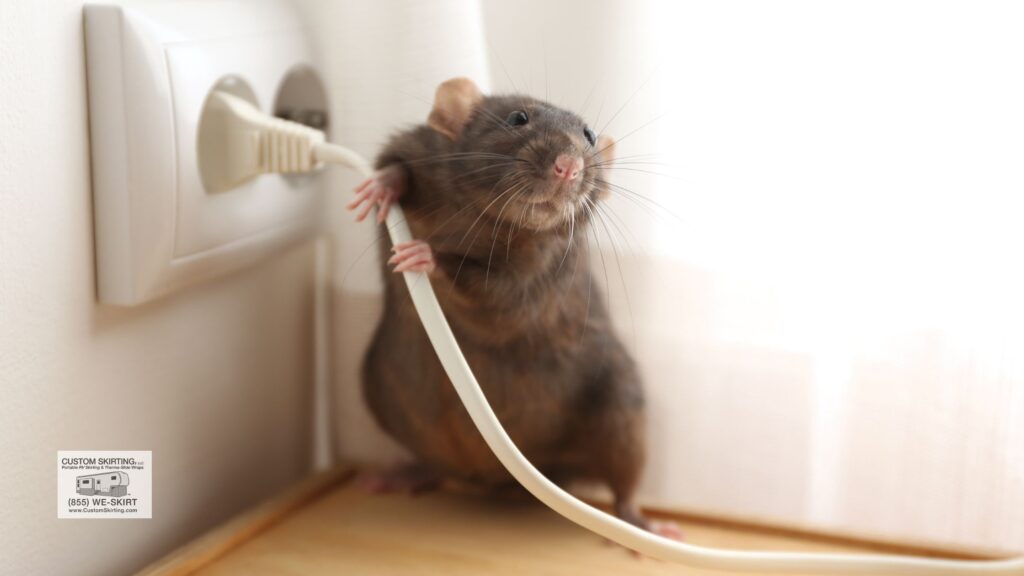
Before implementing prevention methods, it’s important to determine if mice have already made themselves at home in your camper. Here are the telltale signs to watch for:
Droppings
Mouse droppings are one of the most obvious signs of an infestation. These small, dark pellets (resembling grains of rice) are typically found along walls, in drawers, cabinets, and near food sources. Fresh droppings are shiny and black, while older ones appear gray and crumbly.
Gnaw Marks
Mice constantly gnaw to keep their teeth from growing too long. Look for chew marks on:
- Electrical wiring (a serious fire hazard)
- Wooden structures and furniture
- Plastic containers and food packaging
- Upholstery and bedding
Nesting Materials
Mice create nests using shredded materials like:
- Paper and cardboard
- Fabric and upholstery stuffing
- Insulation
- Dried plant materials
Finding collections of these materials tucked away in corners, cabinets, or under furniture indicates mice have established a home.
Unusual Noises
Mice are most active at night. Listen for:
- Scratching sounds in walls or ceiling
- Scurrying noises
- Squeaking
Unpleasant Odors
A distinct musty, ammonia-like smell often indicates a mouse infestation, particularly if it’s concentrated in specific areas.
Evidence of Food Tampering
Check food packages for tiny tears or holes, especially in items stored in cabinets or pantries.
Early detection is crucial when learning how to keep mice out of a camper. The sooner you identify an infestation, the easier it will be to address before significant damage occurs.
1. Maintain a Clean and Organized Camper
Keeping your camper clean and organized is the first line of defense against mice. These critters are attracted to food sources and cozy nesting spots. By eliminating these temptations, you can significantly reduce the likelihood of a mouse invasion.
Regular Cleaning Routines
Regular cleaning routines are essential to keep your camper mouse-free. Sweep and mop the floors, wipe down countertops, and vacuum any crumbs or food particles. Don’t forget to clean under the furniture and appliances, as mice can find even the tiniest morsels of food.
Properly Storing Food and Trash
Mice are expert scavengers, so it’s crucial to store your food securely. Invest in airtight containers to keep food fresh and inaccessible to rodents. Also, dispose of trash promptly by using a sealed container and emptying it regularly.
Sealing Potential Entry Points
Inspect your camper for any gaps, cracks, or openings that could serve as entry points for mice. Pay particular attention to areas around pipes, vents, and utility connections. Use steel wool or caulk to seal these gaps effectively. Remember, mice can squeeze through incredibly small openings, so be thorough in your inspection and sealing efforts.
2. Use Natural Deterrents
Natural deterrents can be an efficient way to keep mice out of your camper. These methods are safe for both humans and pets and often emit scents that mice find unpleasant.
Peppermint Oil and Cotton Balls
Mice have a strong aversion to the scent of peppermint. Soak cotton balls in peppermint oil and place them strategically around your camper. Refresh the cotton balls periodically to maintain the scent’s effectiveness.
Fresh Cab Botanical Pouches
Fresh Cab botanical pouches are an all-natural and non-toxic solution to keep mice at bay. These pouches release a scent that repels rodents but is pleasant to humans. Simply place them in your camper’s storage areas, and let them work their magic.
Ultrasonic Pest Repellents
Ultrasonic pest repellents emit high-frequency sounds that are unbearable to mice and other pests. These devices are easy to use and effective in deterring rodents from entering your camper. Plug them in, and let them do the rest.
3. Install Door Sweeps and Weather Stripping
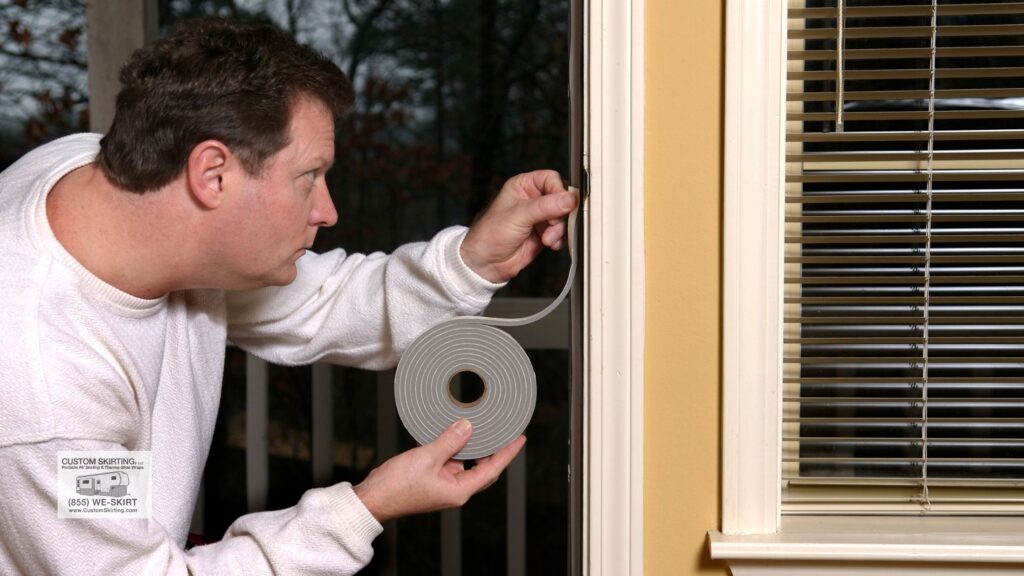
A mechanical barrier can be a formidable way to keep mice out of an RV. Installing door sweeps and weather stripping around your camper’s doors and windows can help keep these unwanted guests at bay. Make sure all openings are tightly sealed to prevent any points of entry.
4. Elevate the Camper on Jacks
Elevating your camper on jacks can serve as another mechanical barrier against mice. Mice are less likely to climb into an elevated camper, as it’s not as easily accessible as one on the ground. Be sure to secure your camper properly and take safety precautions when using jacks.
Here are some tips for effectively elevating your camper on jacks:
- Use sturdy and reliable jacks that can support the weight of your camper.
- Ensure that your camper is level and stable when it’s elevated to prevent accidents or damage.
- Be cautious when moving around inside the camper when it’s elevated, as it may sway slightly.
- Regularly inspect the jacks for any signs of wear or damage and maintain them as needed.
While elevating your camper on jacks is a useful tactic for keeping mice out of RV living spaces, it’s essential to combine this approach with other preventive measures. A comprehensive strategy, including maintaining cleanliness, sealing entry points, and using natural deterrents, will provide the best defense against mouse infestations. By implementing these methods, you can enjoy your camping adventures without the worry of uninvited rodent guests.
5. Set Traps and Monitors
Sometimes, despite your best efforts, a mouse may find its way into your camper. To deal with this situation, you can use traps and monitors. Here are some effective methods:
Snap Traps and Glue Boards
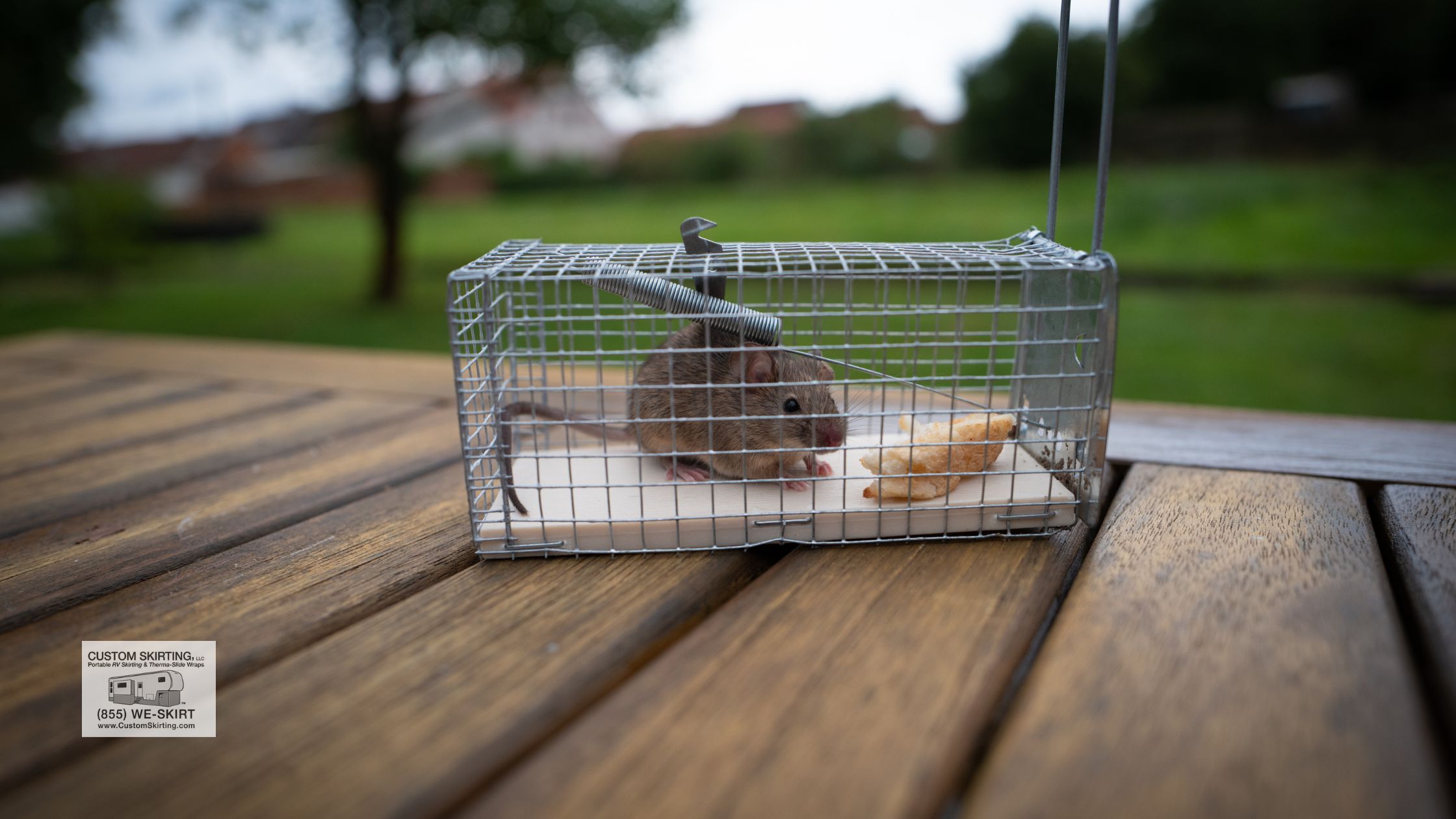
Snap traps and glue boards are classic and effective options for catching mice. Place them in areas where you’ve noticed mouse activity, such as near entry points, food storage areas, or along walls.
Electronic Mouse Traps
Electronic mouse traps offer a humane way to catch and release mice. These traps deliver a quick and painless electric shock to the mouse, instantly immobilizing it for safe and easy removal.
Regularly Checking and Emptying Traps
Whether you opt for snap traps, glue boards, or electronic traps, it’s essential to check them regularly and empty them promptly once a mouse is caught. This ensures that the traps remain effective and prevents unpleasant odors from developing.
6. Install RV Skirting
RV skirting is an effective way to keep rodents out of your RV, camper, or motorhome. This barrier surrounds the bottom of your vehicle, preventing mice from gaining access. RV skirting also offers additional benefits beyond rodent prevention, including improved insulation and protection from the elements.
RV skirting provides a seal around the base of your camper, creating a physical barrier that mice can’t breach. It not only keeps the critters out but also helps maintain a more stable temperature inside your camper. This means you’ll stay warmer in the winter and cooler in the summer, reducing the energy required to heat or cool your living space.
Another advantage of RV skirting is that it protects your camper’s underbelly and plumbing from extreme temperatures and potential damage. This extra layer of insulation can save you money on repair and maintenance costs in the long run.
Plus, RV skirting enhances the overall appearance of your camper, giving it a more finished and polished look. It’s a practical and aesthetic investment that can improve the value of your RV.
Seasonal Maintenance for Ongoing Prevention

Keeping mice out of your camper requires year-round vigilance, with specific tasks for each season.
Spring Preparation
As camping season approaches:
- Conduct a thorough inspection after winter storage
- Clean all surfaces, especially food storage areas
- Check all previously sealed entry points for damage
- Refresh repellents throughout the camper
- Inspect wiring for any damage that occurred during storage
- Test all systems that might have been damaged by mice
Summer Vigilance
During active camping season:
- Maintain strict cleanliness, especially in food preparation areas
- Regularly inspect the undercarriage and exterior for new openings
- Be particularly careful when camping in wooded or rural areas
- Consider using portable electronic repellents when parked
- Implement a “clean before you leave” policy after each trip
Fall Preparation
As mice begin seeking winter shelter:
- Perform another comprehensive inspection of all potential entry points
- Apply fresh sealant to any gaps or cracks
- Increase the number of repellents used
- Remove all food items if the camper will be stored
- Consider applying rodent-deterrent tape around vulnerable areas
- Clean thoroughly, removing even the smallest food residues
Winter Storage
For the highest-risk season:
- Implement all prevention methods simultaneously
- Place multiple types of repellents throughout the camper
- Consider using rodent bait stations around (not inside) the stored camper
- Schedule monthly checks if possible
- Remove snow accumulation from around your camper, as it can provide insulation and hiding places for mice
- Ensure your camper cover is secure but doesn’t create hidden entry points
Prevention Checklist
Before extended storage periods:
- Remove all food items
- Clean thoroughly, including hidden areas
- Seal all potential entry points
- Place repellents throughout the camper
- Position traps in high-risk areas
- Arrange for periodic checks
- Consider professional preventative treatment
- Install a quality RV skirting to create a barrier around the undercarriage
Consistent seasonal maintenance is key to how to keep mice out of camper units year-round.
Conclusion
Keeping mice out of your RV requires a multi-faceted approach combining physical barriers, repellents, cleanliness, and vigilance. By understanding how mice enter, what attracts them, and implementing the comprehensive prevention strategies outlined in this guide, you can protect your investment and ensure your camping experiences remain pleasant and worry-free.
Remember that prevention is always easier and more cost-effective than dealing with an established infestation. Sealing entry points, maintaining impeccable cleanliness, using appropriate repellents, choosing strategic parking locations, and following seasonal maintenance schedules are all essential components of an effective mouse prevention strategy.
For those who frequently camp in colder climates or store their campers for extended periods, consider investing in quality RV skirting and winter RV skirting to create an additional barrier against mice and other pests. Learning how to keep mice out of camper units is an ongoing process, but the peace of mind and protection of your investment make these efforts well worthwhile.
Protect Your Camper from Mice and the Elements with Custom Skirting
Ready to take your mouse prevention strategy to the next level? Experience the Nation’s #1 RV Skirting Solution with Custom Skirting! Our custom-tailored RV skirting creates a sealed barrier underneath your camper, effectively deterring mice and other pests while also protecting against harsh weather conditions.
Our exclusive “No-Snap, No-Gap” channel system provides superior protection against not just rodents, but also water, snow, and wind. Each skirting solution is blueprinted and custom-tailored on-site, ensuring a flawless fit for your specific camper model.
With over a decade of testing in the harshest winter conditions across the northern United States and Canada, our skirting has proven itself as the top choice for RV enthusiasts who want the best protection available. Plus, its user-friendly design allows for quick setup and can move with you wherever your adventures take you.
Don’t compromise on quality when it comes to protecting your valuable investment. Get Custom Skirting today and experience the difference for yourself!