
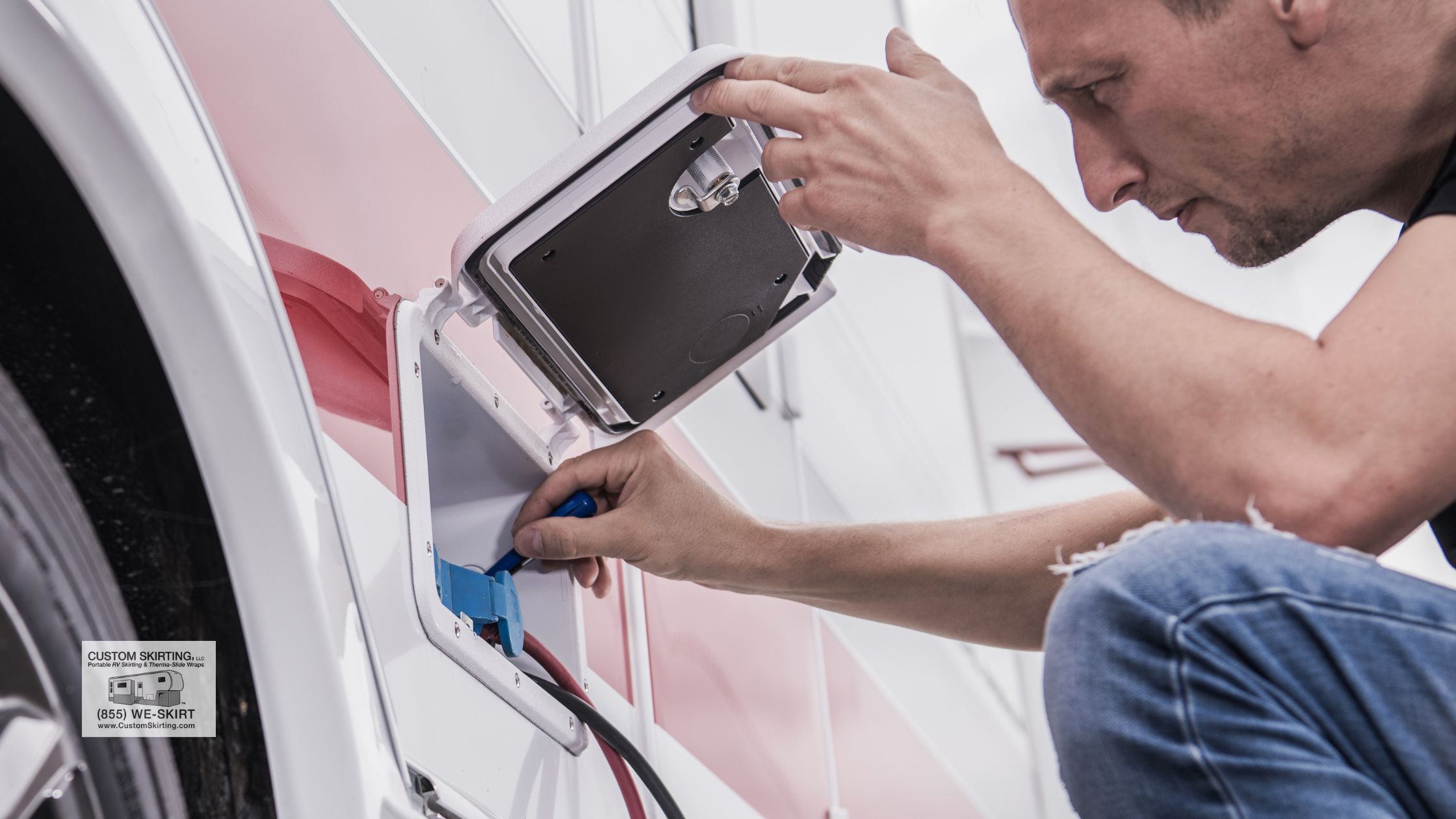
How Long Do RV Batteries Last? Lifespan Guide & Tips
Table of contents
RVs are the embodiment of adventure, offering the freedom to hit the open road and explore the great outdoors with all the comforts of home. But for this nomadic lifestyle to be as seamless and enjoyable as possible, understanding the inner workings of your RV is crucial. Among the many components that keep your RV running, the battery is often overlooked. In this guide, we’ll explore a critical question for any RV enthusiast: How long do RV batteries last? We’ll delve into the various types of RV batteries (AGM, Lithium, etc), the signs of a failing battery, ways to extend their lifespan, whether RV batteries need a cover, and when it’s time for a replacement.
Types of RV Batteries
Before we can determine how long RV batteries last, we need to understand the types of batteries commonly used in RVs. There are several options available, but three primary types are prevalent:
Lead-Acid Batteries
Lead-acid batteries are the most traditional and cost-effective option for RVs. They come in two main subtypes: flooded cell and gel cell batteries. These batteries are known for their reliability and can provide a steady source of power for your RV. However, they require regular maintenance, including checking water levels, and have a shorter lifespan compared to other types.
Key characteristics of lead-acid batteries:
- Discharge limit: Should not be discharged below 50% to prevent damage
- Lifespan: 2-5 years
- Cost: $80-$200 per battery
- Maintenance: Regular water level checks and terminal cleaning required
AGM (Absorbent Glass Mat) Batteries
AGM batteries are a more modern and advanced option for RVs. They are known for their maintenance-free operation, as they don’t require regular water level checks and are highly resistant to vibration and shock. AGM batteries are a popular choice for RV enthusiasts who want a reliable and hassle-free power source.
Key characteristics of AGM batteries:
- Discharge limit: Should not be discharged below 50% for optimal lifespan
- Lifespan: 4-7 years
- Cost: $200-$400 per battery
- Maintenance: Virtually maintenance-free
Lithium Batteries
Lithium batteries are the cream of the crop when it comes to RV power sources. They are lightweight, have a high energy density, and can provide consistent power over a more extended period compared to lead-acid or AGM batteries. While they come at a higher initial cost, their longevity and performance make them an appealing choice for many RV owners.
Key characteristics of lithium batteries:
- Weight: Approximately half the weight of equivalent lead-acid batteries
- Lifespan: 8-10+ years
- Cost: $800-$1,500+ per battery
- Maintenance: Virtually none required
- Discharge limit: Can be safely discharged to 80-90% capacity
Factors That Affect RV Battery Lifespan
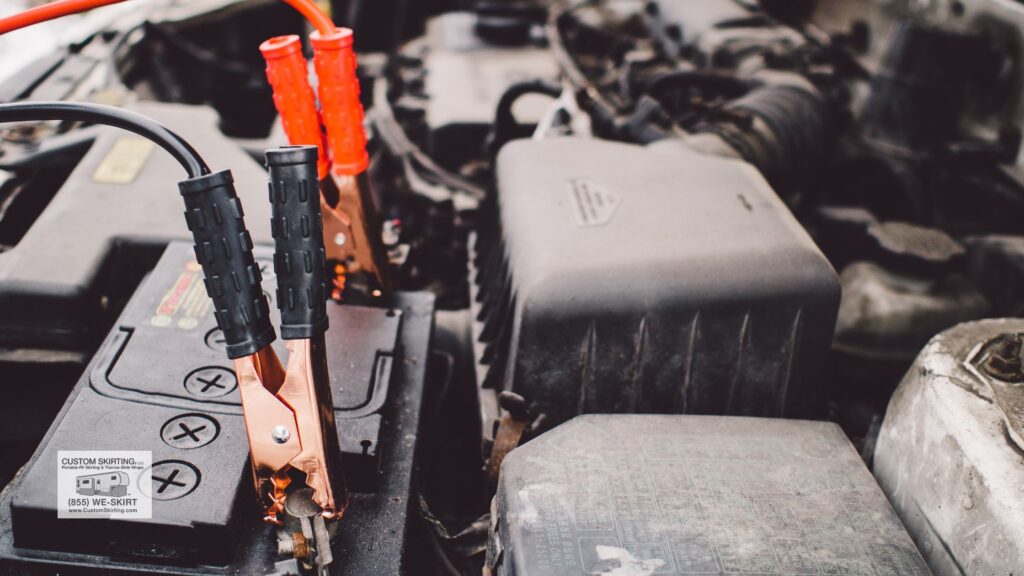
Understanding how long do RV batteries last requires examining the key factors that influence their lifespan. Even the best batteries will fail prematurely if not properly maintained and used.
Depth of Discharge
One of the most significant factors affecting battery life is how deeply you discharge it before recharging. Every battery has a finite number of charge-discharge cycles, and deeper discharges reduce the total number of cycles a battery can deliver.
For lead-acid and AGM batteries, discharging below 50% significantly shortens lifespan. Lithium batteries can handle much deeper discharges (80-90%) without the same negative impact, which is one reason they last longer despite more intensive use.
Cycle Life Based on Depth of Discharge:
- Lead-Acid at 30% discharge: ~1,200 cycles
- Lead-Acid at 50% discharge: ~500 cycles
- Lead-Acid at 80% discharge: ~200 cycles
- Lithium at 80% discharge: ~2,000-5,000 cycles (depending on quality)
Charging Practices
Improper charging is perhaps the leading cause of premature battery failure in RVs. Modern batteries benefit from a three-stage charging process:
- Bulk stage: High current charging until the battery reaches about 80% capacity
- Absorption stage: Reduced current charging to safely reach full capacity
- Float stage: Maintenance charging to compensate for self-discharge
Older RV converters that maintain a constant 13.5V can actually damage batteries over time. Modern three-stage chargers properly float at 13.2V, preventing overcharging while maintaining the battery at full capacity.
Using a charger designed specifically for your battery type is crucial. Lithium batteries, for instance, require different charging parameters than lead-acid or AGM batteries.
Temperature Effects
Temperature dramatically affects how long RV batteries last. Both extreme heat and cold can reduce lifespan, though in different ways:
- High temperatures (above 77°F/25°C) accelerate internal corrosion and chemical reactions, permanently damaging the battery. For every 15°F increase above 77°F, battery life can decrease by 50%.
- Cold temperatures temporarily reduce capacity but don’t typically cause permanent damage. At 32°F (0°C), a battery may deliver only 65% of its rated capacity.
For optimal battery performance and longevity, aim to keep batteries in an environment between 50°F and 85°F (10°C-29°C) whenever possible. Using an RV battery cover or insulated battery box can help regulate temperature in extreme conditions.
Parasitic Loads
Many RVers are surprised to learn that their batteries continue to drain even when the RV appears to be “off.” Devices like TV antenna boosters, LP gas leak detectors, stereo memory functions, and electronic circuit boards draw small amounts of power continuously.
These parasitic loads might seem insignificant individually, but collectively, they can drain batteries over time, leading to sulfation and reduced lifespan. Even without parasitic loads, batteries naturally self-discharge at rates of 3-10% per month, depending on the type and temperature.
Using a battery disconnect switch when storing your RV can prevent these parasitic loads from draining your batteries. For longer storage periods, consider removing the batteries entirely or using a maintenance charger.
Maintenance Frequency
Regular maintenance significantly impacts how long RV batteries last. For flooded lead-acid batteries, this includes:
- Checking water levels monthly during active use
- Cleaning terminals to prevent corrosion
- Performing equalizing charges as recommended by the manufacturer
- Ensuring proper electrolyte specific gravity
While AGM and lithium batteries require less maintenance, they still benefit from regular inspection of connections and monitoring of charging systems.
Signs of a Failing RV Battery
No matter what type of RV battery you have, it’s important to be aware of the signs of a failing battery to prevent unexpected power issues during your adventures. Here are some common indicators:
Diminished Capacity and Power
As the battery nears the end of its useful life, you’ll notice a decrease in its capacity to hold and deliver power. This means that you may need to recharge it more frequently, and it won’t last as long as it once did. Lights may dim, and appliances may struggle to function correctly.
Difficulty Starting the RV
A failing battery may lead to difficulties starting your RV, especially in cold weather. If you find that your engine is sluggish or fails to start altogether, it could be a sign of a weak battery.
Sulfation and Corrosion
Sulfation occurs when lead-acid batteries are repeatedly undercharged or left in a discharged state. It results in the accumulation of sulfate crystals on the battery plates, reducing its capacity. Corrosion around the battery terminals is another visual clue of battery problems.
How to Extend the Lifespan of RV Batteries
While the type of battery you choose will have a significant impact on its lifespan, there are several measures you can take to extend the life of your RV battery, regardless of its type:
- Proper Maintenance: Regularly inspect and maintain your battery, including checking water levels (for lead-acid batteries), keeping the terminals clean, and ensuring proper ventilation in the battery compartment.
- Charge Control: Use a quality battery charger or maintainer to keep your battery fully charged when not in use. Over-discharging can significantly shorten the battery’s life.
- Temperature Control: Extreme temperatures, both hot and cold, can negatively impact battery life. Whenever possible, park your RV in a temperate environment.
- Reduced Parasitic Load: Minimize the power consumption from devices that run on the battery when the camper is not in use. Disconnect or turn off these devices when not needed.
Do RV Batteries Need a Cover?
One common question among RV owners is whether RV batteries need a cover. The answer is yes, they do. RV batteries are exposed to the elements, and a cover can provide essential protection. Battery covers are typically made from durable materials that shield the battery from rain, snow, and direct sunlight. These covers help prevent damage, corrosion, and temperature extremes that can degrade the battery’s lifespan.
Considerations for using an RV battery cover include selecting one that fits your battery size and type, ensuring it is easy to install and remove for maintenance, and keeping it secure during travel to prevent any accidents.
When to Replace RV Batteries?
Determining when to replace your RV battery is crucial for ensuring a continuous power supply during your travels. Here are some factors that influence the decision to replace an RV battery:
- Age: The age of the battery is one of the most critical factors. If your battery is nearing or has exceeded its expected lifespan, it’s time to consider a replacement.
- Performance: If you notice a significant decrease in battery capacity, difficulty starting your camper, or signs of sulfation and corrosion, it’s a strong indicator that a replacement is in order.
- Maintenance and Care: If you’ve been diligent with battery maintenance and care, you may be able to extend its life slightly. However, if these measures no longer yield improvements, replacement becomes more likely.
- Battery Type: The type of battery you have plays a role in determining when to replace it. Lithium batteries, for example, have a longer lifespan compared to lead-acid batteries.
In conclusion, understanding how long RV batteries last and the factors that impact their lifespan is vital for any RV enthusiast. The type you choose, the signs of a failing battery, maintenance practices, the use of a battery cover, and knowing when to replace the battery are all essential aspects of ensuring uninterrupted power for your adventures.
Charging Options for Boondocking
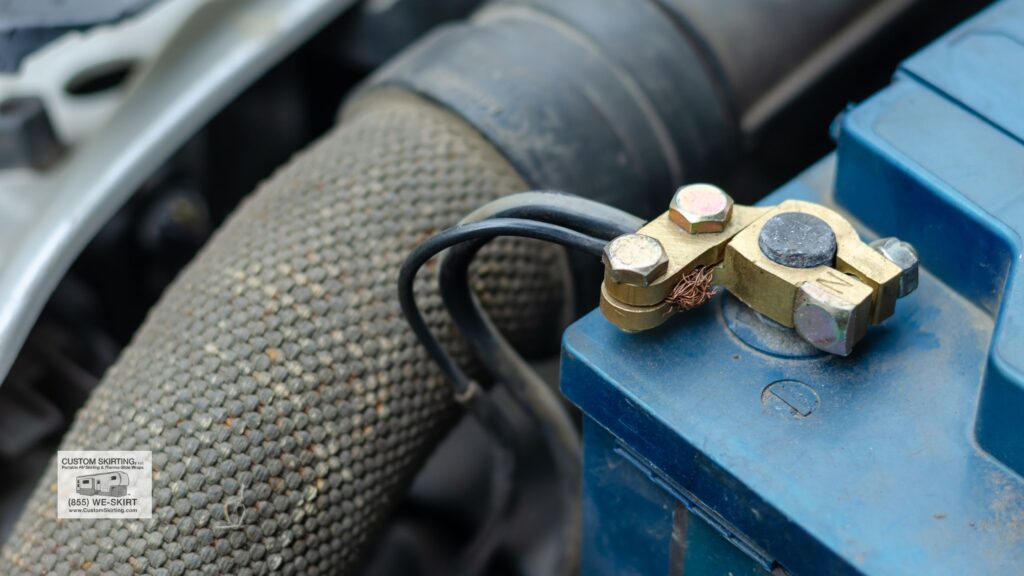
When camping without hookups, having multiple charging options ensures your batteries remain in good condition, extending their overall lifespan.
Generator Charging
A generator equipped with a 40-amp charger can deliver a significant charge in a relatively short time. One hour of generator use typically delivers approximately 40 amps to the battery, making this an efficient but noisy solution.
When using a generator for charging:
- Run it during the day to minimize noise disturbance
- Allow for a complete charging cycle when possible
- Consider fuel costs and storage requirements
Many RVers find that running a generator for 2-3 hours daily provides sufficient power for comfortable boondocking while maintaining battery health.
Solar Charging
Solar panels offer a silent, sustainable way to maintain batteries during daylight hours. A properly sized solar system can significantly extend how long RV batteries last while boondocking.
When considering solar charging:
- Size your system based on power needs (typically 200-400 watts minimum)
- Account for geographic location and seasonal sun exposure
- Include a quality solar charge controller to prevent overcharging
- Consider portable panels for flexibility in positioning
For serious boondockers, investing in the best solar panels for RV use can dramatically extend time between hookups while preserving battery life.
Alternator Charging While Driving
While driving your motorhome or tow vehicle, the alternator provides some charging to your RV batteries. However, this method has significant limitations:
- Charging is relatively slow compared to dedicated chargers
- The charge may not reach the absorption stage during typical driving times
- Connection losses between the tow vehicle and trailer reduce efficiency
For these reasons, alternator charging should be considered supplementary rather than primary. Don’t rely on driving time alone to maintain your batteries, especially for extended boondocking.
Protect Your RV Batteries Year-Round with Custom Skirting
Did you know that temperature extremes are one of the biggest factors affecting how long RV batteries last? Proper insulation doesn’t just keep you comfortable—it creates the ideal environment for your battery systems to perform at their best and achieve maximum lifespan.
Custom Skirting offers the nation’s #1 RV skirting solution, custom-tailored on-site to ensure a perfect fit for your specific RV. Our exclusive “No-Snap, No-Gap” channel system provides superior protection against temperature fluctuations that can damage batteries and other systems.
By regulating the temperature beneath your RV, our skirting helps maintain the optimal 50°F-85°F range for battery performance, potentially adding years to your battery life while reducing energy consumption. Plus, our user-friendly design can be set up by just one person in about an hour, making it the perfect solution for seasonal or full-time RVers.
Get your Custom Skirting today and give your RV batteries the protection they deserve!