

How Long Can You Live in an RV on Your Own Land?
Table of contents
- Understanding RV Classification and Its Impact on Residency
- State-by-State Regulations on RV Living
- Local Zoning Laws and Their Impact
- Permits and Approvals Required for RV Living
- Essential Infrastructure Requirements
- Enforcement and Consequences of Non-Compliance
- Practical Considerations for Long-Term RV Living
- Alternative Options When RV Living Is Restricted
- Conclusion
- Enhance Your RV Living Experience with Custom Skirting
- Related Articles
Wondering how long can you live in an RV on your own land? Or perhaps you’re asking if can someone live in a camper on my property and for how long? The answer isn’t straightforward, as it depends on various factors including state laws, local zoning regulations, and infrastructure requirements. Whether you’re considering if can you live in an RV permanently or if can I live in a camper as a primary residence, this comprehensive guide will help you navigate the complex legal landscape of RV living on private property.
Understanding RV Classification and Its Impact on Residency
Before determining how long can you live in an RV on your own land, it’s essential to understand how RVs are legally classified. At the federal level, recreational vehicles are not classified as permanent residences but as vehicles designed for recreational purposes. This fundamental classification forms the basis for many local restrictions on using an RV as a permanent dwelling.
Different types of RVs may face varying regulations:
- Class A Motorhomes: These large, bus-like vehicles often face stricter scrutiny due to their size and visibility.
- Class B Motorhomes: These van conversions might be less conspicuous but still fall under RV regulations.
- Class C Motorhomes: Mid-sized options with distinctive over-cab sleeping areas.
- Fifth Wheels: These towable RVs require special hitches and are clearly recreational in nature.
- Travel Trailers: Including conventional trailers and smaller options like teardrop trailers.
This classification affects how long you can legally reside in your RV, even on property you own. Most jurisdictions don’t recognize RVs as meeting the standards for permanent housing, which creates limitations on full-time occupancy.
State-by-State Regulations on RV Living
How long can you live in an RV on your own land varies significantly from state to state. Here’s a breakdown of how different states approach this issue:
States with Permissive RV Living Laws
Some states have relatively relaxed attitudes toward RV living on private property:
- Texas: Generally allows RV living on private property, though you must maintain valid RV licenses and vehicle inspections. Rural areas tend to have fewer restrictions than urban centers.
- Florida: Particularly permissive in rural areas, though individual counties may impose time limits.
- Arizona: Known for its RV-friendly attitude, especially in rural counties, though water access can be a limiting factor.
- Missouri: Generally allows RV living on private land with minimal state-level restrictions.
- South Dakota: Popular among full-time RVers for its lenient residency requirements, though weather considerations make year-round living challenging.
In these states, the answer to “can I live in a camper” on your own land is often yes, though local regulations may still apply.
States with Moderate Restrictions
These states allow RV living with significant conditions or time limitations:
- Colorado: State law doesn’t explicitly prohibit RV living, but many counties restrict it to 30-180 days per year.
- Oregon: Senate Bill 1013 provides some protections for RV dwellers, but many municipalities limit stays to 30-90 days.
- Nevada: Rural areas are generally permissive, while urban and suburban areas often restrict RV living to temporary situations.
- Michigan: Allows seasonal RV living in many areas but often prohibits year-round occupancy.
- Pennsylvania: Varies widely by county, with some allowing extended stays while others limit occupancy to 30 days.
In these states, how long someone can live in a camper on your property typically ranges from 30 days to 6 months, depending on local ordinances.
States with Strict Prohibitions
Some states severely restrict or prohibit living in an RV on private property:
- Delaware: Generally prohibits using an RV as a permanent residence.
- Hawaii: Has strict zoning laws that typically prevent RV living on residential property.
- Maryland: Most counties prohibit using an RV as a primary residence.
- Connecticut: Generally restricts RV living to designated campgrounds.
- New Jersey: Has strict regulations against using RVs as permanent dwellings in most areas.
In these states, the answer to “can you live in an RV” on your own land is often no, or only for very limited periods.
Local Zoning Laws and Their Impact
While state laws provide a framework, local zoning regulations often have the most direct impact on how long someone can live in a camper on my property. These regulations categorize land use and determine what structures and activities are permitted in each zone.
Rural vs. Urban Zoning Differences
Rural areas typically have more relaxed regulations compared to urban and suburban areas:
- Rural Zones: Often allow RV living with fewer restrictions, sometimes permitting stays of 90-180 days or even indefinitely in very remote areas.
- Agricultural Zones: May permit RV living for agricultural workers or property owners.
- Suburban Zones: Typically restrict RV living to short periods (14-30 days) with permits.
- Urban Residential Zones: Often prohibit RV living entirely or limit it to very brief periods (7-14 days).
Enforcement also varies significantly between rural and urban areas. In remote locations, enforcement is typically complaint-driven, while urban areas may have proactive code enforcement officers regularly patrolling for violations.
Homeowners Associations and Deed Restrictions
Even if state and local laws permit RV living, private restrictions may prohibit it:
- HOA Regulations: Many homeowners associations explicitly prohibit using RVs as dwellings, even temporarily.
- Deed Restrictions: Some property deeds contain covenants that restrict RV living, regardless of what local zoning allows.
- Subdivision Rules: Planned communities often have specific rules about RV parking and occupancy.
These private restrictions can be more stringent than government regulations and are legally enforceable through civil actions. Before purchasing property with the intention of living in an RV during the winter or any season, carefully review any HOA documents or deed restrictions.
Permits and Approvals Required for RV Living
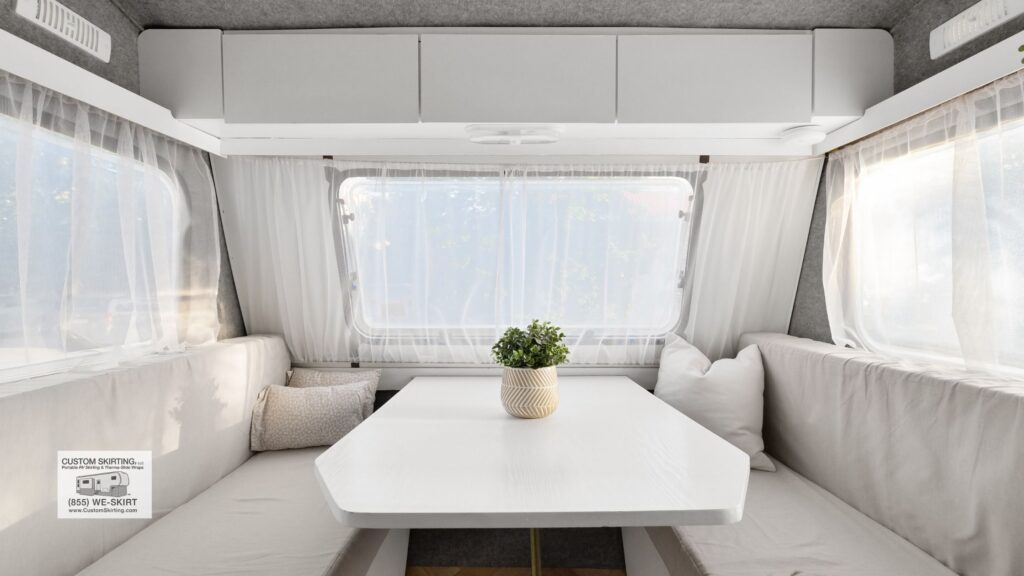
In many jurisdictions, you’ll need specific permits to legally live in an RV on your property, even temporarily.
Temporary Occupancy Permits
These permits explicitly allow RV living for limited periods:
- Duration: Typically range from 30 days to 6 months, depending on the jurisdiction.
- Application Process: Usually requires submitting site plans, proof of property ownership, and details about water and waste management.
- Fees: Can range from $50 to several hundred dollars.
- Renewals: Some jurisdictions allow one-time renewals, while others prohibit consecutive permits.
These permits directly address the question of how long can you live in an RV on your own land by providing a specific, legally approved timeframe.
Building Permits and Construction Exceptions
Many jurisdictions offer exceptions for property owners who are actively building a permanent home:
- Construction Permits: Allow temporary RV living while constructing a permanent residence, typically for 6-12 months.
- Requirements: Usually require an active building permit and demonstrable progress on construction.
- Extensions: May be available if construction is progressing but not complete.
- Documentation: Typically requires regular inspections to verify construction progress.
This exception can significantly extend how long someone can live in a camper on your property if you’re simultaneously building a permanent structure.
Special Use Permits
Some jurisdictions offer special permits for unique circumstances:
- Caregiver Accommodations: Permits for family members providing care to residents of the main dwelling.
- Agricultural Worker Housing: Exceptions for farm workers on agricultural properties.
- Disaster Recovery: Temporary allowances following natural disasters.
- Medical Hardship: Special permits for medical caregiving situations.
These permits often require documentation of the special circumstances and may need periodic renewal or verification.
Essential Infrastructure Requirements
Even with proper permits, most jurisdictions require certain infrastructure for legal RV occupancy.
Water Supply Solutions
Access to clean water is typically mandatory:
- Municipal Connections: Some areas require hookup to city water if available.
- Well Systems: Private wells must usually meet potability standards.
- Delivery Services: Some jurisdictions accept regular water delivery as a solution.
- Testing Requirements: Many areas require periodic water quality testing.
Without approved water access, the question of how long can you live in an RV on your own land may be moot, as occupancy might not be permitted at all.
Sewage and Waste Disposal
Proper waste management is critical for legal RV living:
- Septic Systems: Many jurisdictions require connection to an approved septic system.
- Holding Tanks: Regular professional pumping services may be required if using RV holding tanks.
- Composting Toilets: Some areas approve alternative systems, though often with additional permits.
- Gray Water Disposal: Regulations for shower and sink water disposal vary widely.
Improper waste disposal is one of the most common reasons for enforcement actions against RV dwellers, as it presents public health concerns.
Electrical Connections and Power Sources
Safe electrical service is typically required:
- Grid Connections: Many areas require professional installation of a pedestal or connection box.
- Generators: Some jurisdictions restrict generator use due to noise ordinances.
- Solar Systems: Increasingly accepted, though some areas require professional installation.
- Inspections: Electrical connections often require inspection and certification.
For those planning to live in an RV full time, ensuring compliant electrical systems is essential for both legal compliance and safety.
Enforcement and Consequences of Non-Compliance
Understanding how regulations are enforced can help you assess the practical implications of RV living restrictions.
Code Enforcement Mechanisms
Enforcement varies significantly between jurisdictions:
- Complaint-Based Enforcement: Many rural areas only investigate when neighbors complain.
- Proactive Enforcement: Urban and suburban areas may have regular patrols looking for violations.
- Enforcement Officers: Building inspectors, code enforcement officers, or local police may be responsible for enforcement.
- Investigation Process: Typically involves site visits and documentation of violations.
The practical reality of how long can you live in an RV on your own land sometimes depends on enforcement patterns in your specific area.
Potential Penalties and Fines
Consequences for unauthorized RV living can include:
- Warnings: First violations often result in written warnings with compliance deadlines.
- Fines: Can range from $100 to $1,000+ per day of continued violation.
- Liens: Unpaid fines may result in property liens.
- Court Orders: Judges may issue orders requiring removal of the RV or cessation of occupancy.
- Forced Removal: In extreme cases, authorities may require removal of the RV from the property.
These penalties directly impact how long someone can live in a camper on your property if you’re not in compliance with local regulations.
Neighbor Complaints and Their Impact
Neighbor relations often determine whether regulations are enforced:
- Common Complaints: Typically involve visual appearance, perceived property value impacts, or concerns about waste disposal.
- Mitigation Strategies: Maintaining a neat property, communicating with neighbors, and being considerate can reduce complaint likelihood.
- Documentation: Keeping records of all permits and approvals can help address complaints quickly.
Maintaining good neighbor relations can sometimes allow for longer RV living periods than might otherwise be possible.
Practical Considerations for Long-Term RV Living
Beyond legal considerations, practical factors affect how viable long-term RV living is on your property.
Climate Adaptations for Year-Round Living
Weather considerations are crucial for comfortable and safe RV living:
- Insulation: Standard RV insulation is rarely sufficient for extreme temperatures.
- Heating Solutions: Propane furnaces, electric heaters, and wood stoves each have different safety considerations.
- Cooling Systems: Standard RV air conditioners may be inadequate in extreme heat.
- Weatherproofing: Preventing moisture intrusion is critical to avoid mold and structural damage.
For those wondering if can I live in a camper year-round, proper RV skirting from Custom Skirting can make a significant difference in comfort and energy efficiency, especially during winter months.
Power Requirements and Solutions
Reliable power is essential for comfortable RV living:
- Consumption Assessment: Full-time living typically requires 30-50 kWh per day.
- Solar Systems: A minimum 600W system with adequate battery storage for off-grid living.
- Generators: Typically need 3000-4000W capacity for full functionality.
- Conservation Strategies: Energy-efficient appliances and habits can significantly reduce power needs.
Understanding your power requirements is crucial when determining if can you live in an RV comfortably on your property.
Maintenance Considerations for Extended Use
RVs require different maintenance when used as permanent residences:
- Structural Inspections: Regular checks for leaks, seal integrity, and structural issues.
- Systems Maintenance: More frequent servicing of plumbing, electrical, and HVAC systems.
- Appliance Lifespan: RV appliances typically have shorter lifespans when used daily.
- Exterior Care: More frequent roof and exterior maintenance to prevent weather damage.
Proper RV maintenance is essential for those considering how long can you live in an RV on your own land, as neglect can lead to costly repairs and unsafe conditions.
Alternative Options When RV Living Is Restricted
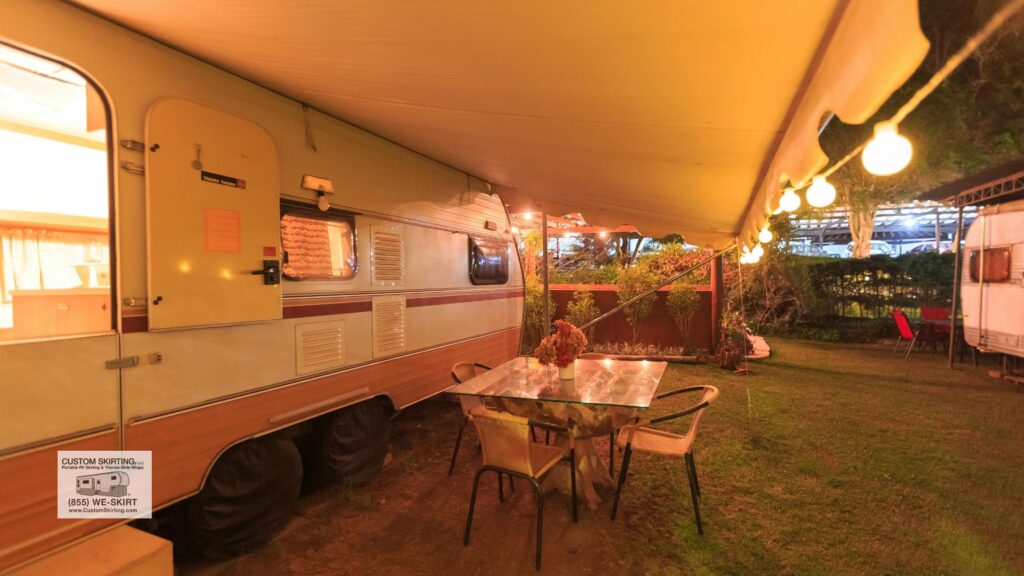
If you discover that RV living on your property is limited or prohibited, consider these alternatives.
RV-Friendly Communities and Parks
Dedicated RV communities offer legal full-time living options:
- RV Parks: Many allow extended or permanent stays with full hookups.
- RV Resorts: Higher-end options with amenities similar to residential communities.
- Co-op Parks: Resident-owned communities where you purchase a lot.
- Membership Campgrounds: Organizations like Thousand Trails offer extended stay options.
These communities directly address the question of can you live in an RV legally by providing designated areas specifically zoned for RV living.
Temporary Structures and Tiny Homes
Alternative structures may face fewer restrictions:
- Tiny Homes on Foundations: Often classified as accessory dwelling units rather than RVs.
- Yurts: Semi-permanent structures that may fall under different regulations.
- Park Models: RV-like structures designed for seasonal or permanent placement.
- Container Homes: Repurposed shipping containers that may qualify as permanent structures.
These alternatives may provide solutions when the answer to “can someone live in a camper on my property” is no due to local regulations.
Working with Local Authorities for Exceptions
Sometimes, regulatory barriers can be addressed through official channels:
- Variance Requests: Formal applications for exceptions to zoning requirements.
- Zoning Changes: Petitioning for changes to local zoning ordinances.
- Community Support: Gathering neighbor signatures supporting your request.
- Legal Assistance: Working with attorneys specializing in property rights and zoning law.
These approaches may extend how long can you live in an RV on your own land by creating legal exceptions to standard restrictions.
Conclusion
The question of how long can you live in an RV on your own land has no universal answer. It depends on a complex interplay of state laws, local zoning ordinances, infrastructure requirements, and practical considerations. In some rural areas with permissive regulations, you might be able to live in an RV indefinitely, while in strictly regulated urban areas, you might be limited to just a few days per year.
Before committing to RV living on your property, thoroughly research your specific location’s regulations by contacting local planning departments, reviewing zoning codes, and consulting with legal professionals if necessary. Consider both the legal aspects and practical challenges of long-term RV living, including climate adaptations, power needs, and maintenance requirements.
For those who discover that can I live in a camper on their property is limited by local regulations, alternatives like RV-friendly communities, tiny homes, or pursuing variances may provide viable solutions. Remember that regulations can change over time, so staying informed about local ordinances is essential for long-term compliance.
Ultimately, successful long-term RV living on private property requires careful planning, proper permits, adequate infrastructure, and good relationships with neighbors and local authorities.
Enhance Your RV Living Experience with Custom Skirting
If you’ve determined that you can legally live in an RV on your own land, proper preparation is essential for comfort and efficiency. For those planning extended stays, especially in colder climates, high-quality RV skirting is a game-changer.
Custom Skirting offers the nation’s #1 RV skirting solution, custom-tailored to your specific RV model. Our team blueprints and creates your skirting on-site, ensuring a perfect fit that maximizes protection against the elements. Our exclusive “No-Snap, No-Gap” channel system provides superior protection against water, snow, and wind compared to other products on the market.
Having withstood the test of time in the harshest winter conditions across the northern United States and Canada, our skirting system has proven its durability and effectiveness. The user-friendly design allows for quick installation and removal, making it perfect for both permanent setups and those who move their RV seasonally.
Don’t compromise on comfort and protection when living in your RV long-term. Get Custom Skirting today and experience the difference that professional-grade, custom-fit skirting makes for year-round RV living!