

The Ultimate Guide to the Best RV Tires
Table of contents
When it comes to RV safety and performance, few components are as critical as your tires. Finding the best RV tires, best travel trailer tires, or best tires for travel trailer applications requires understanding the unique demands placed on these specialized components. Unlike regular vehicle tires, the best RV trailer tires must support substantial weight, withstand varying road conditions, and maintain stability across long distances. This comprehensive guide will help you navigate the world of best trailer tires, explaining the different types available, top brands to consider, selection criteria, and essential maintenance practices to ensure your RVing experience remains safe and enjoyable for years to come.
Understanding RV Tire Types
The foundation of selecting the best RV tires begins with understanding the two primary construction types: bias-ply and radial. Each has distinct characteristics that make them suitable for different RVing scenarios.
Bias-Ply Tires
Bias-ply tires are constructed with nylon cords laid at alternating angles (typically 30-40 degrees) to create a crisscross pattern. This construction method creates a rigid sidewall that offers several advantages:
- Greater puncture resistance on rough terrain
- Higher load capacity at a given inflation pressure
- Lower cost compared to radial alternatives
- Better stability for trailers that experience sway
However, bias-ply tires also come with notable disadvantages:
- Generate more heat during extended highway driving
- Shorter tread life than radial tires
- Less fuel-efficient due to higher rolling resistance
- Harsher ride quality due to stiffer sidewalls
Bias-ply tires are typically best suited for RVers who travel shorter distances, frequently encounter rough terrain, or are particularly budget-conscious.
Radial Tires
Radial tires feature steel belts that run perpendicular to the direction of travel, with the plies radiating outward from the center. This modern construction offers several benefits:
- Superior heat dissipation during highway driving
- Longer tread life (often 2-3 times that of bias tires)
- Better fuel economy due to reduced rolling resistance
- Smoother ride quality from more flexible sidewalls
- Improved traction on wet surfaces
The primary drawbacks of radial tires include:
- Higher initial cost than bias-ply alternatives
- More susceptible to sidewall damage from impact
- May experience more trailer sway in some applications
Radial tires have become the standard choice for most RVers, particularly those who travel long distances on highways or live in their RVs full-time.
RV Tire Terminology and Specifications
Understanding tire specifications is crucial when shopping for the best RV/travel trailer tires. Here’s a breakdown of the key terminology you’ll encounter:
Load Ratings
The load rating indicates how much weight a tire can safely carry when properly inflated. For RVs, this is particularly critical due to their substantial weight. Load ratings are expressed as numbers (e.g., 80, 85, 90) with higher numbers indicating greater capacity. Always ensure your tires’ combined load capacity exceeds your RV’s Gross Vehicle Weight Rating (GVWR).
Speed Ratings
Speed ratings indicate the maximum sustained speed a tire can handle safely. For RVs, common ratings include:
- L: 75 mph
- M: 81 mph
- N: 87 mph
While most RVs rarely approach these speeds, selecting tires with appropriate speed ratings ensures safety during highway travel.
Tire Size Designations
RV/travel trailer tire sizes follow a standardized format that provides crucial information:
For example, in the designation ST225/75R15:
- ST: Special Trailer (designed specifically for trailers)
- 225: Section width in millimeters
- 75: Aspect ratio (sidewall height as a percentage of width)
- R: Radial construction
- 15: Rim diameter in inches
Ply Rating and Load Range
Ply rating indicates a tire’s strength, though modern tires don’t literally have the number of plies indicated. Instead, load range letters provide this information:
- Load Range B: 4-ply rating
- Load Range C: 6-ply rating
- Load Range D: 8-ply rating
- Load Range E: 10-ply rating
- Load Range F: 12-ply rating
Higher ply ratings indicate stronger tires capable of handling heavier loads and higher inflation pressures.
Date Codes
All tires include a DOT (Department of Transportation) code that indicates when they were manufactured. The last four digits represent the week and year of manufacture (e.g., 2619 means the 26th week of 2019). This information is crucial because RV/travel trailer tires typically need replacement due to age rather than wear.
ST vs. LT Designations
- ST (Special Trailer): Designed specifically for trailers with stiffer sidewalls to reduce sway and handle heavy loads.
- LT (Light Truck): Designed for trucks but often used on motorhomes due to their durability and load capacity.
Understanding which designation is appropriate for your specific RV is essential for safety and performance.
Top 5 RV Tire Brands
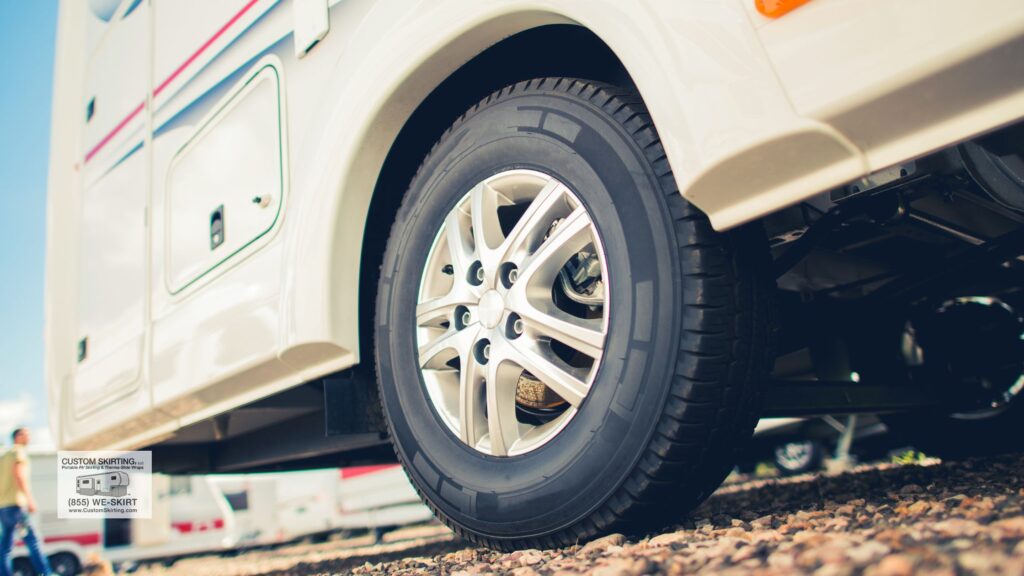
When it comes to selecting the best tires for your RV or travel trailer, choosing from reputable brands ensures reliability, safety, and performance on the road. Let’s delve deeper into each of the top 5 RV tire brands to help you make an informed decision for your RV:
Goodyear Endurance
Goodyear Endurance tires have established themselves as some of the best RV tires on the market, particularly for travel trailers and fifth wheels. These ST-rated tires feature Goodyear’s proprietary Durawall Technology, which significantly enhances sidewall durability against cuts, punctures, and weathering.
Key Features:
- Enhanced scuff guards that protect sidewalls from curbing damage
- All-season tread compound for consistent performance in various conditions
- Made in the USA, unlike many competitor brands
- Speed rating of 87 mph (N), higher than many ST tires
- Available in load ranges C, D, and E
Goodyear Endurance tires typically retail between $130-$200 per tire depending on size and load range. They’re backed by Goodyear’s limited warranty and have earned a reputation for reliability among weekend travelers and seasonal RVers alike.
Michelin XPS RIB
Michelin’s XPS RIB represents the premium end of the best RV tires market, particularly for Class A and Class C motorhomes. These LT-rated tires incorporate Michelin’s advanced rubber compounds and construction techniques to deliver exceptional performance and longevity.
Key Features:
- Superior tread life, often exceeding 50,000 miles under proper conditions
- Excellent fuel efficiency due to reduced rolling resistance
- Enhanced stability and handling characteristics
- Exceptional wet traction from specialized siping patterns
- Available in load ranges D and E
While Michelin XPS RIB tires command a premium price ($200-$350 per tire), many full-time RVers and luxury motorhome owners consider them a worthwhile investment due to their extended service life and superior performance characteristics. They’re particularly well-suited for diesel pushers and larger motorhomes that see extensive highway miles.
Maxxis M8008 ST Radial
The Maxxis M8008 ST Radial has earned its place among the best travel trailer tires through a combination of reliability and value. These tires feature advanced construction techniques including double steel belts and a nylon cap ply that enhances stability and durability.
Key Features:
- Advanced tread compound for improved wear resistance
- Reduced rolling resistance for better fuel economy
- Excellent shock absorption to protect RV contents
- Specialized shoulder design to enhance stability
- Available in load ranges C, D, and E
Priced between $110-$180 per tire, the Maxxis M8008 offers an excellent balance of performance and value. They’ve become particularly popular among travel trailer and fifth wheel owners who want quality without the premium price tag of some competitors. Their reputation for reliability makes them a solid choice for seasonal RVers.
Carlisle Radial Trail HD
Carlisle’s Radial Trail HD tires have established themselves as some of the best tires for travel trailer applications, particularly for those seeking a mid-range option. Their specialized design addresses common issues faced by towable RVs.
Key Features:
- Unique tread pattern optimized for towable applications
- Heat-resistant construction to prevent blowouts
- Improved shoulder design for enhanced stability
- Weather-resistant rubber compound
- Available in load ranges B, C, D, and E
With prices typically ranging from $90-$150 per tire, Carlisle Radial Trail HD tires represent an excellent value proposition for occasional RVers. They’re particularly well-suited for smaller to medium-sized travel trailers and fifth wheels. While they may not offer the extended tread life of premium options, their performance-to-price ratio makes them attractive to budget-conscious RVers.
Bridgestone Duravis M700 HD
Rounding out our list of the best RV trailer tires is the Bridgestone Duravis M700 HD. These LT-rated tires are designed for commercial applications but have found favor among Class A and Class C motorhome owners due to their durability and all-season performance.
Key Features:
- Reinforced casing design for enhanced durability
- Excellent wet traction from specialized tread pattern
- Stable handling characteristics even under heavy loads
- All-season capability for year-round performance
- Available in load ranges D and E
Priced between $180-$280 per tire, Bridgestone Duravis tires position themselves in the premium segment of the market. They’re particularly well-suited for larger motorhomes, especially diesel pushers that require robust load-carrying capacity. Their reputation for reliability in commercial applications translates well to the demands of larger RVs.
Factors to Consider When Choosing RV Tires
When selecting tires for your RV, several key factors should be taken into account to ensure optimal performance, safety, and longevity on the road:
- Load Rating: Choose tires with an appropriate load rating to support the weight of your RV and its contents. Overloading tires can lead to premature wear and tire failure, so it’s crucial to select tires capable of handling the weight of your vehicle.
- Tire Type: Consider the type of terrain and weather conditions you’ll be encountering on your travels. For example, if you frequently drive on rough roads or in inclement weather, you may want to opt for all-terrain or all-season tires for enhanced traction and durability.
- Tread Design: The tread design plays a significant role in a tire’s performance and handling characteristics. Tires with deeper treads and aggressive tread patterns are better suited for off-road driving, while tires with shallower treads and symmetrical patterns provide smoother and quieter performance on paved roads.
- Speed Rating: Check the speed rating of the tires to ensure they’re suitable for your RV’s maximum speed capabilities. Choosing tires with a higher speed rating than necessary can lead to unnecessary expenses and may not provide any additional benefits.
- Durability: Look for tires with robust construction and durable materials to withstand the rigors of RV travel. High-quality tires are less prone to punctures, cuts, and other forms of damage, ensuring a longer lifespan and reduced maintenance costs.
- Brand Reputation: Consider the reputation and track record of the tire manufacturer when making your selection. Established brands with a history of producing reliable and high-quality tires are more likely to deliver consistent performance and customer satisfaction.
- Price: While cost shouldn’t be the sole determining factor, it’s essential to consider your budget when choosing RV tires. Balance the upfront cost with the long-term value and performance to ensure you’re getting the best possible tires for your money.
How to Determine the Right Tire Size for Your RV
Choosing the correct tire size for your RV is crucial for ensuring proper fitment, performance, and safety on the road. Here’s a step-by-step guide to determining the right tire size for your RV:
- Refer to the Owner’s Manual: Start by consulting your RV’s owner’s manual or manufacturer’s specifications to find the recommended tire size for your vehicle. This information typically includes tire width, aspect ratio, and diameter.
- Inspect Current Tires: If your RV is already equipped with tires, you can find the tire size printed on the sidewall of each tire. Note down the tire size, including the width, aspect ratio, and diameter, as indicated by the alphanumeric code.
- Consider Load Rating: In addition to size, consider the load rating of the tires to ensure they can safely support the weight of your RV and its contents. The load rating is typically indicated by a numerical value stamped on the sidewall of the tire.
- Consult a Tire Professional: If you’re unsure about which tire size is best for your RV, or if you’re considering upgrading to a different tire size, it’s advisable to consult a qualified tire professional. They can provide expert guidance based on your specific RV model and driving requirements.
- Compare Options: Once you have the necessary tire size information, you can compare different tire options from reputable brands to find the best fit for your RV. Consider factors such as tread design, construction, and performance characteristics to make an informed decision.
By considering these factors and following the proper steps to determine the right tire size for your RV, you can ensure optimal performance, safety, and reliability on your travels. Investing in the right tires for your RV is essential for enjoying a smooth and trouble-free journey wherever the road may take you.
When to Replace Your RV Tires
Unlike passenger car tires that are typically replaced due to tread wear, RV tires often require replacement due to age before the tread is fully worn.
Age Considerations
The industry standard recommendation is to replace RV tires every 3-5 years regardless of tread depth or appearance. This is because:
- Rubber compounds deteriorate over time due to oxidation
- UV exposure breaks down rubber molecules
- Internal structure can weaken without visible external signs
- The consequences of failure are more severe with RVs
Visual Indicators
Watch for these signs that replacement is needed:
- Sidewall cracking or “weather checking”
- Uneven wear patterns suggesting alignment or suspension issues
- Visible cord or steel belts through the rubber
- Bulges or blisters on the sidewall
- Excessive vibration during travel
Tread Depth
While age often dictates replacement before tread is fully worn, minimum safe tread depth is:
- 4/32″ for steering tires on motorhomes
- 2/32″ for non-steering positions
- 2/32″ for trailer tires
The classic “penny test” works for checking this—if you can see the top of Lincoln’s head when inserted into the tread, replacement is needed.
Date Code Verification
Always check the DOT code on the sidewall to determine tire age:
- The last four digits indicate week and year of manufacture
- For example, “1219” means the 12th week of 2019
- Some older tires may have three-digit codes (pre-2000)
Even if tires look good visually, replacement at the 5-year mark is a prudent safety measure for most RVers.
Seasonal Considerations for RV Tires
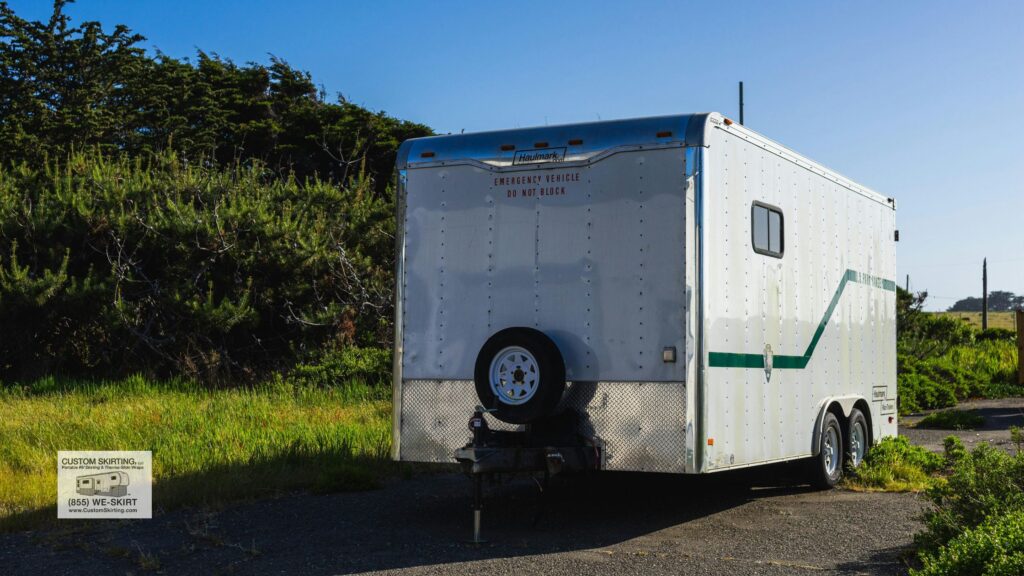
Different seasons present unique challenges for RV tires, requiring specific attention and care.
Summer Travel Considerations
Hot-weather RVing creates particular challenges for tires:
- Heat is the enemy of RV tires, accelerating aging and increasing blowout risk
- Check pressure more frequently as heat increases internal pressure
- Avoid driving during the hottest part of the day when possible
- Consider heat-resistant tire models if you frequently travel in hot climates
- Use tire covers when parked to reduce UV exposure
Many experienced RVers living in an RV during the winter travel in summer and store their vehicles during colder months.
Winter Storage Practices
For those who don’t use their RVs year-round:
- Clean tires thoroughly before storage
- Apply a rubber protectant specifically designed for tires
- Use quality tire covers that block UV rays
- Consider removing weight from tires during extended storage
- Store in a climate-controlled environment if possible
Proper winter storage can significantly extend tire life by preventing environmental damage during periods of non-use.
Cold Weather Operation
If you do operate your RV in colder temperatures:
- Check pressure more frequently as cold decreases tire pressure
- Allow tires to warm up before driving at highway speeds
- Be cautious on icy or snow-covered roads as RV tires rarely have aggressive winter tread patterns
- Consider using Custom Skirting to protect tires and undercarriage during stationary periods in freezing conditions
Understanding how to keep moisture out of your RV during winter is also crucial for protecting your investment.
Conclusion
Selecting the best RV tires represents one of the most important safety and performance decisions for any RV owner. The right tires provide peace of mind, improved handling, better fuel economy, and protection against costly and dangerous failures on the road.
Remember that RV tires differ significantly from passenger vehicle tires in their construction, load capacity, and aging characteristics. The best travel trailer tires or best RV trailer tires for your specific vehicle will depend on your typical usage patterns, budget considerations, and the specific requirements of your RV.
Prioritize safety by following manufacturer recommendations for size and load rating, maintaining proper inflation, conducting regular inspections, and replacing tires based on age rather than just tread wear. Consider investing in premium brands if you travel frequently or for extended periods, as the additional cost often translates to better value over time.
By understanding the information in this guide, you’re well-equipped to make informed decisions about the best tires for travel trailer or motorhome applications, ensuring safer and more enjoyable RVing experiences for years to come.
Protect Your Investment with Custom RV Skirting
After investing in the best RV tires for your adventures, don’t overlook protecting them during stationary periods. Quality RV tires can be damaged by prolonged exposure to UV rays and extreme temperatures—precisely what happens when your RV is parked for extended periods.
At Custom Skirting, we understand the importance of protecting your entire RV, including your valuable tires. Our custom-tailored RV skirting is blueprinted and manufactured on-site to ensure a perfect fit for your specific RV model. Our exclusive “No-Snap, No-Gap” channel system provides superior protection against the elements, effectively sealing out water, snow, and wind that can damage your tires and undercarriage.
With over a decade of testing in the harshest winter conditions across the northern United States and Canada, our skirting solution has proven itself as the top choice for serious RV enthusiasts. Plus, our user-friendly design allows for quick setup and takedown, making it perfect for RVers who value both protection and mobility.
Don’t compromise on protecting your RV and its tires—experience the nation’s #1 RV skirting solution today!