
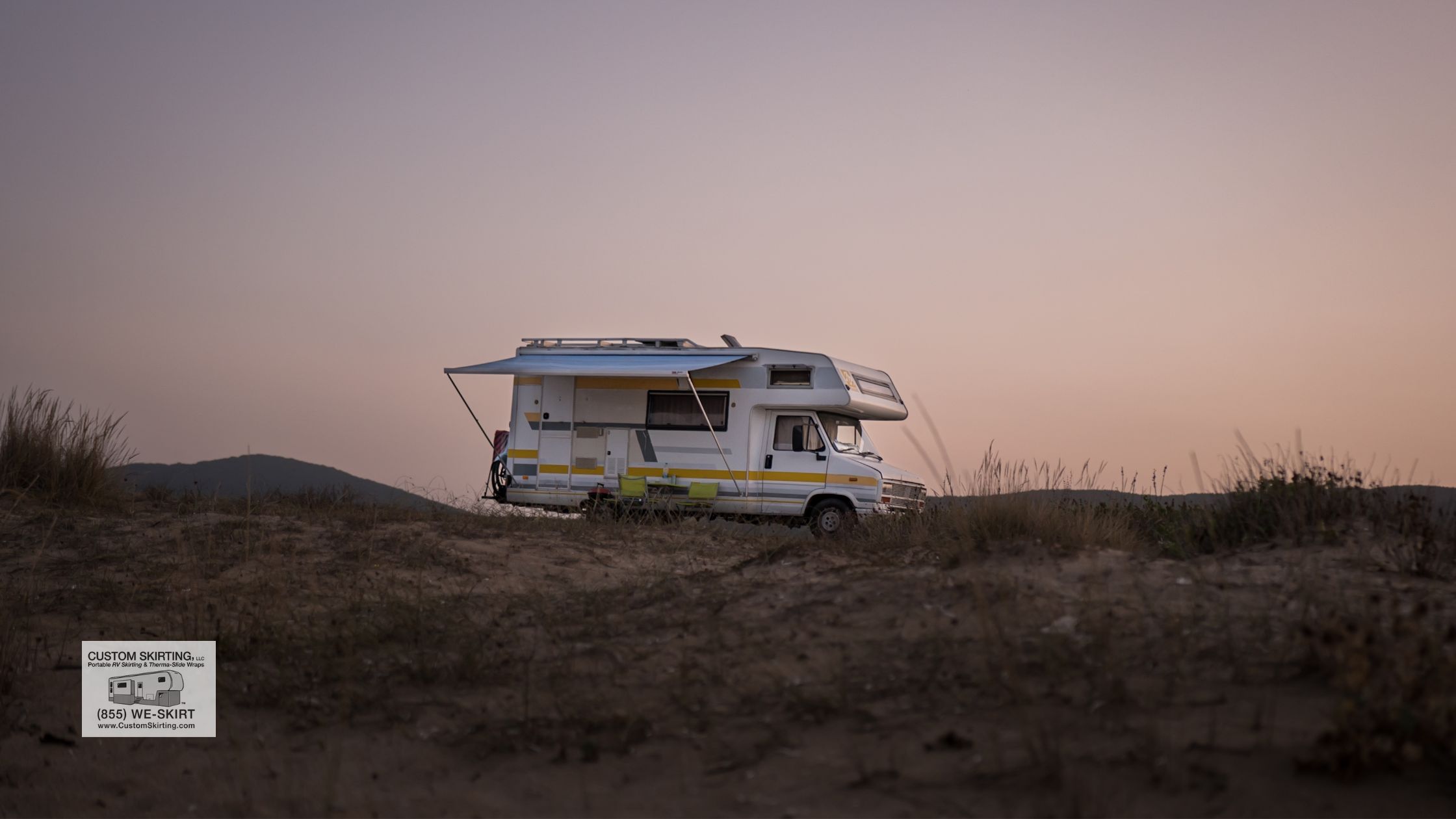
How to Rent an RV: A Guide for First-Time Renters
Table of contents
- Understanding RV Types and Choosing the Right One
- RV Rental Qualifications and Requirements
- Where to Rent an RV: Rental Companies vs. Peer-to-Peer Platforms
- The Complete RV Rental Process Step-by-Step
- Understanding RV Rental Costs and Budgeting
- RV Insurance and Protection Options
- Planning Your RV Trip: Routes, Campgrounds, and Reservations
- Essential Packing List and Supplies for RV Rentals
- Conclusion
- Protect Your RV Investment During Rentals with Custom Skirting
- Related Articles
Are you considering an RV adventure but unsure where to start? Learning how to rent an RV is easier than you might think. With the rising popularity of road trips and flexible vacations, RV rentals have become an attractive option for travelers seeking freedom and unique experiences. If you’re wondering about the best way to rent an RV, how much to rent an RV, or what the typical rent an RV cost might be, this comprehensive guide will walk you through every step of the process. From understanding how much does it cost to rent a camper to mastering the rental procedure, we’ve got you covered with all the essential information first-time renters need.
Understanding RV Types and Choosing the Right One
Before diving into how to rent an RV, it’s important to understand the different types available — because they directly influence your comfort, travel experience, and overall budget. Knowing how much does it cost to rent a camper/RV can also help you choose the best option that fits your needs and travel style.
Motorized RVs
Class A Motorhomes: These large, bus-like vehicles offer the most spacious living quarters and amenities. They typically include:
- Full kitchens and bathrooms
- Multiple sleeping areas accommodating 6-8 people
- Generous storage space
- Luxury features like entertainment systems
While comfortable, Class A motorhomes can be challenging for first-time drivers due to their size (30-45 feet) and may have higher rental costs.
Class B Motorhomes (Camper Vans): The smallest motorized option, offering:
- Compact living space
- Basic amenities (small kitchen, toilet, shower)
- Easier driving experience similar to a large van
- Ideal for 1-2 travelers
- Better fuel efficiency
Class C Motorhomes: Often recommended for first-time renters, these mid-sized vehicles feature:
- Distinctive over-cab sleeping area
- Comfortable amenities
- Easier handling than Class A
- Typically 20-30 feet in length
- Accommodation for 4-8 people
Towable RVs
Travel Trailers: Require a vehicle with appropriate towing capacity and include:
- Various sizes from 10-40 feet
- Lower rental costs than motorized options
- Detachable from your towing vehicle for local exploration
Fifth Wheels: Larger towable options that connect to pickup trucks with special hitches, offering:
- Spacious, multi-level floor plans
- Higher ceilings
- Luxury amenities
- Typically 25-45 feet in length
Pop-up Campers: Lightweight, collapsible options featuring:
- Canvas sides that expand for sleeping
- Basic amenities
- Easy towing with many standard vehicles
- Lower rental costs
For first-time renters wondering how much does it cost to rent a camper/RV, Class C motorhomes often provide the best balance of comfort, amenities, and drivability. However, your final choice should depend on factors like your group size, comfort preferences, and whether you have a suitable towing vehicle.
RV Rental Qualifications and Requirements
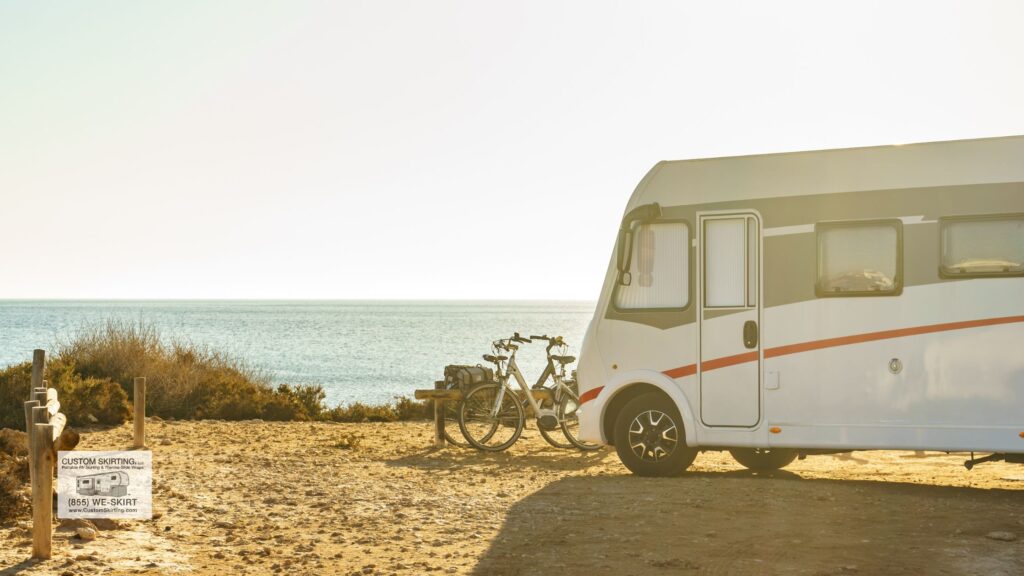
Understanding the qualifications needed is an essential part of learning how to rent an RV. While requirements vary between rental companies and peer-to-peer platforms, here are the standard expectations:
Age Requirements
Most rental companies require drivers to be at least 25 years old. Some may rent to drivers 21-24 but typically charge additional fees or require extra insurance coverage.
Driver’s License Requirements
- A valid driver’s license is mandatory
- Standard licenses are sufficient for most RVs
- Some states require special licenses for RVs exceeding certain weights (typically over 26,000 pounds)
- International renters usually need their country’s license plus an International Driving Permit
Insurance Requirements
Rental companies typically offer insurance packages, but you should:
- Check if your auto insurance provides any coverage
- Understand what the rental company’s insurance covers
- Consider purchasing additional coverage for peace of mind
Credit Card and Deposit
- A major credit card in the renter’s name is required
- Security deposits range from $500-$1,500 depending on the RV type
- The deposit is typically held (not charged) and released after a damage-free return
Additional Documentation
Some companies may request:
- Proof of insurance
- Utility bills or other proof of residence
- Employment verification
- References for first-time renters
Always verify specific requirements with your chosen rental provider before booking, as understanding these qualifications is a crucial step in learning how to rent an RV successfully.
Where to Rent an RV: Rental Companies vs. Peer-to-Peer Platforms
When figuring out how to rent an RV, you’ll encounter two main rental sources: traditional rental companies and peer-to-peer platforms. Each offers distinct advantages depending on your needs.
Traditional RV Rental Companies
Companies like Cruise America and El Monte RV provide:
Advantages:
- Standardized, well-maintained fleets
- Consistent policies and procedures
- Multiple locations for pickup and drop-off
- Professional customer service
- One-way rental options between locations
- Roadside assistance included
Disadvantages:
- Generally higher prices
- Limited variety in RV models and floor plans
- Less personalized experience
- Stricter cancellation policies
- Additional fees for mileage and generator use
Peer-to-Peer RV Rental Platforms
Platforms like RVshare and Outdoorsy connect RV owners with renters:
Advantages:
- Wider variety of RV types and models
- Often lower prices than traditional companies
- More personalized experience with owner communication
- Unique RVs not available through rental companies
- Flexible pickup/drop-off arrangements
- Many owners offer delivery to your location
Disadvantages:
- Inconsistent vehicle quality and cleanliness
- Varying cancellation policies between owners
- Limited availability in some geographic areas
- Owner-specific rules and restrictions
- Potential communication challenges with owners
Booking Process Comparison
Traditional Companies:
- Browse available RVs on company website
- Select vehicle type and rental dates
- Choose pickup/drop-off locations
- Add insurance and optional extras
- Pay deposit to secure reservation
- Complete paperwork at pickup
Peer-to-Peer Platforms:
- Create account on platform
- Search available RVs by location and dates
- Message owners with questions
- Request booking with specific RV
- Wait for owner approval
- Pay through platform’s secure system
- Coordinate pickup details with owner
For first-time renters learning how to rent an RV, traditional rental companies often provide a more straightforward experience with fewer variables. However, peer-to-peer platforms can offer significant savings and unique RV options if you’re comfortable with the less standardized process.
The Complete RV Rental Process Step-by-Step
Understanding the entire rental process is crucial when learning how to rent an RV. Here’s a comprehensive walkthrough from research to return:
1. Research and Comparison (4-8 weeks before trip)
- Determine your budget, group size, and needed amenities
- Research different RV types suitable for your needs
- Compare rental companies and peer-to-peer platforms
- Read reviews from previous renters
- Get quotes from multiple sources
- Check for seasonal promotions or discounts
2. Making a Reservation (4-12 weeks before trip)
- Book early, especially for peak seasons (summer, holidays)
- Provide driver information and trip details
- Review rental policies carefully
- Understand cancellation terms
- Pay initial deposit (typically 25-50% of total)
- Receive booking confirmation
3. Pre-Trip Preparation (1-2 weeks before)
- Confirm reservation details
- Plan your route with RV-friendly roads
- Make campground reservations
- Create a packing list
- Review RV operation videos if available
- Download relevant apps for trip planning
4. Pickup Day
- Arrive at the scheduled time with required documentation
- Complete remaining paperwork
- Pay security deposit and remaining balance
- Participate in orientation walkthrough
- Learn how to operate all RV systems:
- Electrical systems
- Water systems
- Propane appliances
- Slide-outs
- Leveling procedures
- Waste tank management
- Document existing damage with photos
- Ask questions about anything unclear
- Receive emergency contact information
5. During Your Rental
- Follow all operating instructions
- Keep track of mileage if there are limits
- Monitor generator hours if applicable
- Handle the RV with care
- Address any issues promptly by contacting the rental company
6. Return Process
- Clean the interior according to rental agreement
- Empty waste tanks at designated facilities
- Refill fuel tank
- Arrive at the agreed return time
- Participate in return inspection
- Report any issues or damages honestly
- Return keys and complete final paperwork
- Receive deposit refund (typically within 3-7 days)
Understanding this complete process is essential to knowing how to rent an RV successfully. The most important aspects for first-timers are thoroughly participating in the orientation, documenting the RV’s condition at pickup, and following all operating instructions carefully.
Understanding RV Rental Costs and Budgeting
One of the most common questions when learning how to rent an RV is “how much does it cost to rent a camper?” The rent an RV cost varies widely based on several factors. Here’s a comprehensive breakdown to help you budget effectively:
Base Rental Rates by RV Type
Class A Motorhomes:
- Peak season: $175-$350 per night
- Off-season: $150-$250 per night
- Weekly rates: $1,050-$2,100 (often discounted 10-15%)
Class B Motorhomes (Camper Vans):
- Peak season: $100-$200 per night
- Off-season: $80-$150 per night
- Weekly rates: $560-$1,200
Class C Motorhomes:
- Peak season: $150-$250 per night
- Off-season: $100-$200 per night
- Weekly rates: $700-$1,500
Travel Trailers:
- Peak season: $80-$200 per night
- Off-season: $60-$150 per night
- Weekly rates: $420-$1,200
Fifth Wheels:
- Peak season: $100-$250 per night
- Off-season: $80-$200 per night
- Weekly rates: $560-$1,500
Additional Fees to Consider
Mileage Charges:
- Many rentals include 100-150 free miles per day
- Additional miles: $0.25-$0.75 per mile
- Unlimited mileage packages: $10-$25 per day
Generator Usage:
- Typically charged hourly: $3-$5 per hour
- Some rentals include 3-4 hours free per day
One-Time Fees:
- Cleaning fee: $50-$150
- Preparation fee: $50-$100
- Dumping fee (if tanks not emptied): $50-$150
- Late return: $25-$50 per hour
Security Deposits:
- Typically $500-$1,500 depending on RV value
- Refundable after damage-free return
Trip-Related Expenses
Fuel Costs:
- Class A: 6-10 mpg
- Class B: 15-22 mpg
- Class C: 8-14 mpg
- Budget $0.50-$1.00 per mile for fuel depending on RV size
Campground Fees:
- Basic campgrounds: $25-$50 per night
- RV resorts with full hookups: $45-$100+ per night
- State parks: $20-$45 per night
- Discount camping memberships can save 10-50%
Supplies and Provisions:
- Kitchen supplies: $50-$100
- Bedding/linens (if not included): $50-$100
- Groceries: Similar to home costs plus 20% for convenience items
- RV-specific supplies: $100-$200
Money-Saving Tips
- Travel off-season: Rates can be 30-50% lower
- Book longer rentals: Weekly and monthly rates offer significant discounts
- Consider delivery: Having the RV delivered to your campsite eliminates driving and fuel costs
- Use free camping: “Boondocking” on public lands can eliminate campground fees
- Cook your own meals: RV kitchens make this easy and save on restaurant costs
- Compare insurance options: Don’t automatically take the rental company’s coverage
When budgeting for how to rent an RV, plan for the total cost including these additional expenses. A good rule of thumb is to add 50-75% to the base rental rate to estimate your total vacation cost.
RV Insurance and Protection Options
Understanding insurance options is a critical aspect of learning how much does it cost to rent a camper/RV and how to rent an RV. Knowing what’s included in your insurance coverage not only helps you estimate total rental costs but also protects you financially and provides peace of mind throughout your trip.
Standard Insurance Coverage
Most RV rental companies and peer-to-peer platforms offer insurance packages that typically include:
Liability Coverage:
- Protects against damage to other vehicles and property
- Covers medical expenses for others in an accident
- Standard coverage usually ranges from $500,000 to $1 million
Comprehensive and Collision:
- Covers damage to the rented RV
- Usually comes with a deductible ($500-$1,500)
- May have exclusions for certain types of damage
Insurance Options When Renting
Standard Plans:
Most rental companies offer tiered insurance options:
- Basic: Minimum liability coverage with high deductibles ($1,000-$1,500)
- Standard: Better liability coverage with moderate deductibles ($750-$1,000)
- Premium: Maximum coverage with lower deductibles ($500 or less)
Supplemental Protection:
- Windshield and tire protection (often excluded from standard coverage)
- Interior damage protection
- Personal effects coverage for your belongings
- Trip interruption coverage
Personal Insurance Considerations
Auto Insurance:
- Most personal auto policies DO NOT extend to RV rentals
- Some premium auto policies may offer limited coverage
- Always call your insurance provider to verify coverage
Credit Card Coverage:
- Unlike car rentals, most credit cards DO NOT provide insurance for RV rentals
- Premium travel cards occasionally offer limited coverage
- Verify specific terms with your credit card company
Travel Insurance:
- Can provide additional protection beyond RV-specific insurance
- May cover trip cancellation, medical emergencies, and lost belongings
- Consider for longer or more expensive RV trips
Roadside Assistance
Rental Company Programs:
- Basic mechanical assistance
- Towing services
- Lockout assistance
- Tire changes
- Costs: $5-$15 per day or $50-$100 per rental period
Third-Party Options:
- Good Sam Club
- AAA (with RV coverage add-on)
- Coach-Net
Determining Your Coverage Needs
When figuring out how to rent an RV and select appropriate insurance:
- Consider the value of the RV you’re renting
- Evaluate your risk tolerance and driving experience
- Factor in your destination (remote areas vs. urban settings)
- Account for weather conditions during your rental period
- Review your existing insurance policies for potential coverage
For first-time renters, opting for more comprehensive coverage is generally recommended despite the higher cost. The peace of mind and financial protection are valuable, especially when learning to operate an unfamiliar vehicle.
Planning Your RV Trip: Routes, Campgrounds, and Reservations
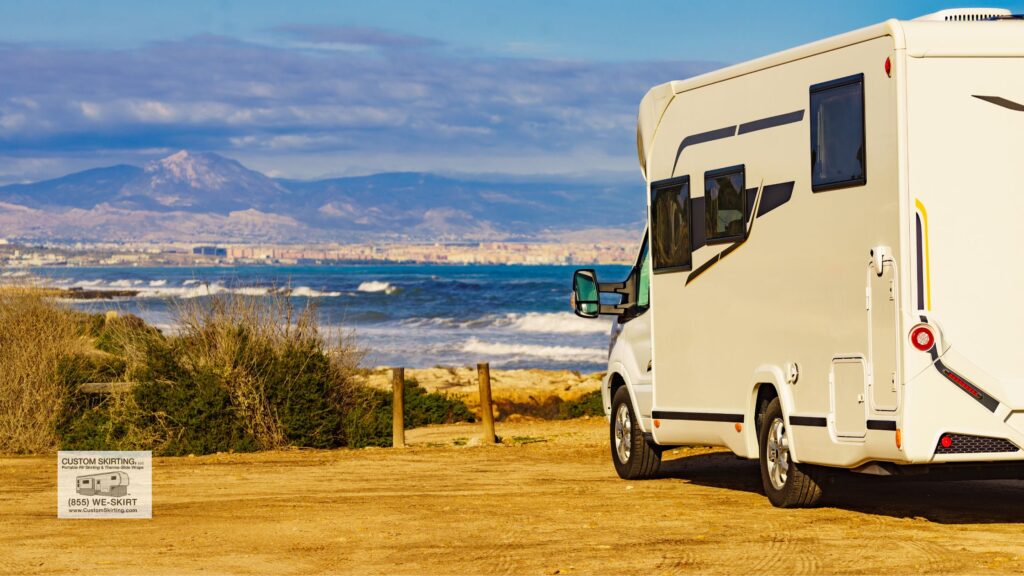
Effective trip planning is a crucial part of learning how to rent an RV. Before hitting the road, it’s also important to understand how much does it cost to rent a camper/RV, since budgeting for your rental and travel expenses helps you create a well-planned itinerary. With careful preparation, you can ensure a smoother, more enjoyable experience while avoiding common pitfalls.
Planning RV-Friendly Routes
Route Considerations:
- Avoid roads with low clearance bridges or tunnels
- Check for weight restrictions on bridges and roads
- Be aware of steep grades that challenge larger RVs
- Plan for wider turning radiuses than regular vehicles
- Allow extra travel time (plan to average 100-300 miles per day)
Helpful Route Planning Tools:
- RV Trip Wizard
- Google Maps (with “avoid highways” option for scenic routes)
- RV Life GPS app (specifically designed for RV travel)
- Mountain Directory (for identifying steep grades)
Types of Campgrounds and Accommodations
Public Campgrounds:
- National Parks: Scenic locations but often limited hookups
- State Parks: Good balance of natural settings and amenities
- Corps of Engineers: Often located near lakes and waterways
- National Forests: More primitive but usually less crowded
- Booking window: 3-6 months in advance for popular locations
Private Campgrounds:
- RV Parks: Range from basic to resort-style
- KOA Campgrounds: Consistent quality with predictable amenities
- Independent RV Resorts: Often offer premium facilities
- Booking window: 1-3 months in advance, longer for popular destinations
Alternative Options:
- Harvest Hosts: Stay at wineries, farms, and attractions (membership required)
- Boondocking: Free camping on public lands (no hookups)
- Walmart/Cracker Barrel: Some locations permit overnight parking
- Casino camping: Many offer inexpensive or free RV parking
Making Campground Reservations
Reservation Timing:
- Summer and holidays: Book 3-6 months in advance
- Shoulder seasons: 1-3 months in advance
- Popular destinations (Florida in winter, national parks in summer): 6-12 months in advance
Reservation Systems:
- Recreation.gov for federal campgrounds
- ReserveAmerica for many state parks
- Individual park websites
- Campground-specific reservation systems
What to Consider When Booking:
- RV length restrictions
- Available hookups (water, electric, sewer)
- Pull-through vs. back-in sites (beginners should opt for pull-through)
- Proximity to bathhouses and amenities
- Site privacy and spacing
- Cell service availability, if needed
Essential Packing List and Supplies for RV Rentals
Knowing what to bring is a key component of learning how to rent an RV. The right supplies enhance comfort and convenience while avoiding unnecessary purchases on the road.
What’s Typically Included with Rentals
Most RV rentals provide basic equipment, but offerings vary widely. Always confirm what’s included before packing:
Kitchen Equipment:
- Basic cookware (pots, pans)
- Dishes and utensils
- Coffee maker
- Toaster
- Microwave (built-in)
Bedroom/Bathroom:
- Mattresses (without bedding)
- Shower
- Toilet
- Sometimes: towels and linens (often for additional fee)
Outdoor Equipment:
- Awning
- Sometimes: camp chairs and table
- Sometimes: grill
Systems Equipment:
- Sewer hose
- Freshwater hose
- Electrical adapters
- Leveling blocks
Essential Items to Pack
Kitchen Supplies:
- Dish soap and sponge
- Paper towels
- Trash bags
- Aluminum foil and plastic wrap
- Ziploc bags
- Basic spices and cooking oil
- Coffee and filters
- Reusable water bottles
Bedroom/Bathroom:
- Sheets, pillows, blankets (confirm size needed)
- Towels and washcloths
- Toiletries
- Toilet paper (RV-safe)
- Shower shoes
- Small bathroom rug
Cleaning Supplies:
- Multi-purpose cleaner
- Disinfecting wipes
- Small broom and dustpan
- Laundry detergent (small amount)
Outdoor Essentials:
- Outdoor rug (reduces dirt tracked inside)
- Flashlights or headlamps
- Insect repellent
- Sunscreen
- Portable chairs (if not provided)
- Tablecloth for picnic tables
Tools and Emergency Items:
- Basic tool kit
- Duct tape
- First aid kit
- Road flares or emergency reflectors
- Extra fuses (matching RV requirements)
- Work gloves
- Tire pressure gauge
Electronics and Entertainment:
- Phone chargers
- Extension cords
- Multi-plug adapters
- Portable speaker
- Games and books
- Laptop/tablet and chargers
Space-Saving Packing Tips
- Use collapsible containers and cookware
- Pack clothes in soft duffel bags (easier to store than hard suitcases)
- Use packing cubes to organize clothing
- Bring multi-purpose items (like a pot that can also serve as a mixing bowl)
- Consider disposable plates and utensils for shorter trips
- Use shower caddies to organize bathroom items
When learning how to rent an RV, one of the first questions travelers often ask is how much does it cost to rent a camper/RV. While prices vary depending on the season, RV type, and rental duration, it’s equally important to think about space and packing smart. RVs have limited storage, so focus on essentials and comfort-enhancing items. A great rule seasoned RVers follow: pack everything you think you need—then remove about 30% before hitting the road.
Conclusion
Learning how to rent an RV opens the door to a world of travel freedom and unique experiences that traditional accommodations simply can’t match. From selecting the perfect RV type for your needs to mastering the return process, this guide has walked you through every step of the rental journey. While the process might seem overwhelming at first, breaking it down into manageable steps makes renting an RV accessible even for complete beginners.
Remember that the key to a successful first RV rental lies in thorough preparation. Before hitting the road, take time to understand the different RV types, carefully compare rental options, and budget for all associated costs—including how much does it cost to rent a camper/RV based on size, season, and rental duration. The orientation at pickup is invaluable—pay close attention, ask questions, and don’t rush this important learning opportunity. Most importantly, approach your first RV adventure with patience and flexibility, knowing there will be a learning curve.
With proper planning and the right expectations, renting an RV can provide an unforgettable vacation experience. The freedom to change your itinerary, the convenience of having your accommodations with you, and the opportunity to stay closer to nature are just a few of the rewards awaiting you. Now that you understand how to rent an RV and how much does it cost to rent a camper/RV, it’s time to start planning your own road trip adventure!
Protect Your RV Investment During Rentals with Custom Skirting
If you own an RV and are considering renting it out, protecting your investment is crucial. Custom Skirting offers the nation’s #1 RV skirting solution that provides unparalleled protection while your RV is being rented. Our expert team blueprints and custom-tailors your RV skirting on-site, ensuring a perfect fit that shields your RV from the elements.
Our exclusive “No-Snap, No-Gap” channel system effectively seals out water, snow, and wind better than any other product available. With over a decade of testing in the harshest winter conditions across the northern United States and Canada, our skirting has proven its durability and effectiveness. Plus, its user-friendly design allows for quick setup and takedown, making it perfect for rental situations.
Don’t compromise on protection—get Custom Skirting today and ensure your RV remains in pristine condition through every rental season!