
RV Battery Maintenance: Extend Your Power on the Road
Table of contents
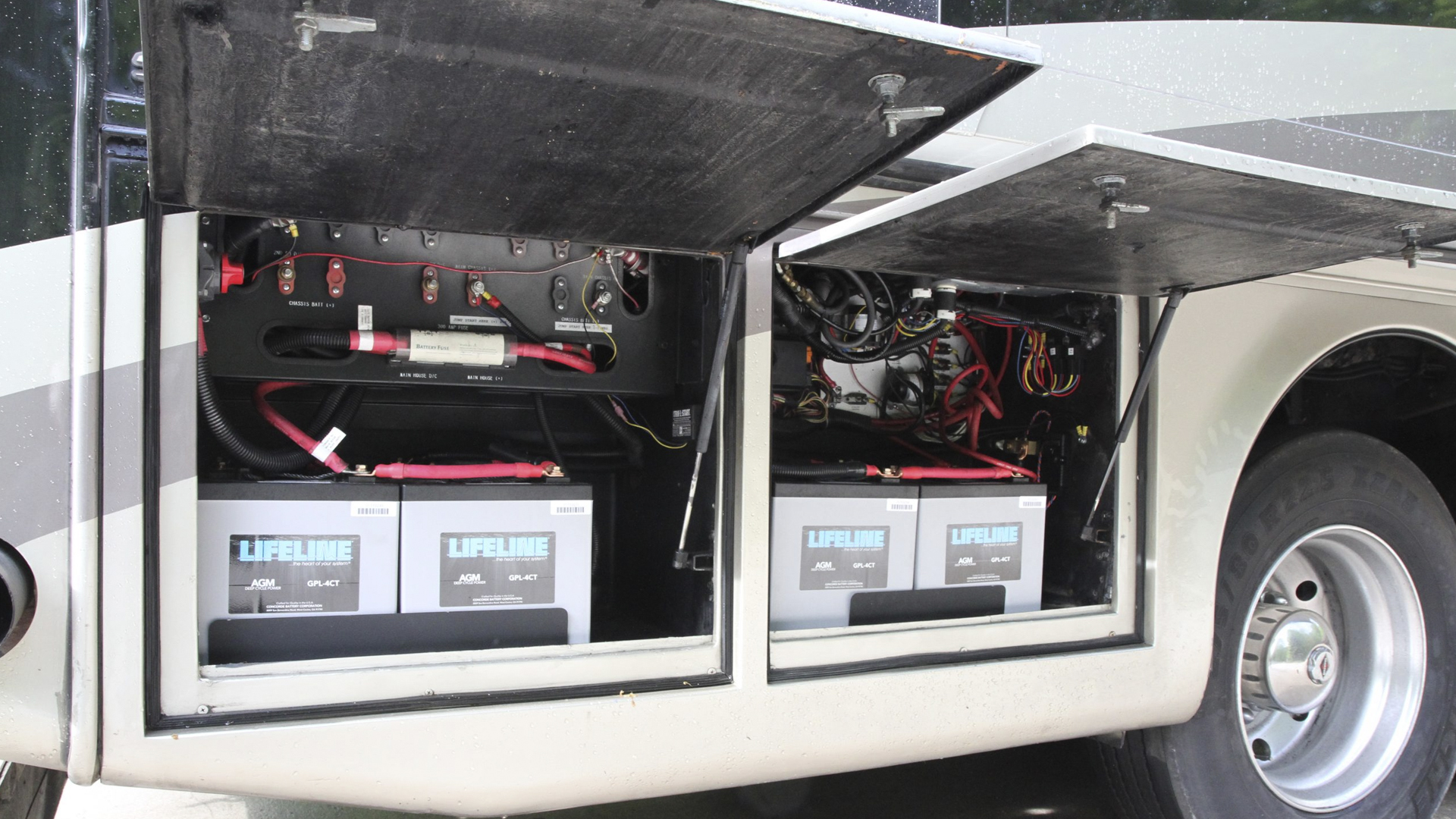
When you’re on the road in your RV, you rely heavily on your batteries to power everything from lights to appliances to your RV’s basic systems. Proper RV battery maintenance is essential to ensure your RV remains functional, and your trips stay smooth and enjoyable. Maintaining your RV coach batteries can help avoid unexpected power failures, save you money on replacements, and improve the overall performance of your RV. However, many RV owners overlook battery care until they experience problems. In this article, we’ll cover practical solutions on how to maintain RV batteries, the importance of RV battery storage, and tips for RV battery winter storage to keep your power running strong throughout your journey.
Understanding RV Battery Systems
Types of RV Battery Systems
RVs are typically powered by two types of electrical systems: 12-volt DC (Direct Current) and 120-volt AC (Alternating Current). Understanding these systems and their uses will help you maintain your batteries effectively.
- 12-volt DC system: This is the primary electrical system used in RVs. It powers essential systems such as lights, water pumps, fans, and the RV’s refrigerator when not connected to shore power.
- 120-volt AC system: This system is similar to the electricity used in your home and powers appliances that require higher voltages, like air conditioners and microwaves, when you are connected to shore power or a generator.
While the 120-volt AC system relies on external power sources, your 12-volt DC system draws power from the RV coach batteries, making these batteries a critical part of your RV’s energy supply.
Common RV Battery Types
There are several types of batteries commonly used in RVs, each with its maintenance needs and lifespan. These include:
- Flooded Lead-Acid Batteries: These are the most common and affordable option. They need periodic maintenance, including checking water levels and cleaning terminals.
- Sealed Lead-Acid Batteries: These are low-maintenance, as they don’t require water topping, but they have a shorter lifespan compared to flooded versions.
- Lithium-Ion Batteries: These are a more expensive option, but they offer superior performance, longer lifespan, and minimal maintenance. They are becoming increasingly popular in newer RV models.
Each type of battery has its unique characteristics and maintenance requirements, so it’s important to know which type your RV uses and follow the appropriate maintenance steps.
Essential RV Battery Maintenance Tasks

Regular Inspection and Cleaning
One of the easiest and most effective ways to keep your RV batteries in top shape is by performing regular inspections. Check for:
- Corrosion around the terminals, which can impede performance.
- Loose connections, which can result in power loss or battery failure.
- Physical damage such as cracks or leaks.
Cleaning the terminals is crucial. To clean your battery terminals, follow these steps:
- Wear protective gloves and goggles to prevent contact with battery acid.
- Disconnect the negative (black) cable first and then the positive (red) cable.
- Use a mixture of baking soda and water to neutralize any corrosion on the terminals.
- Use a wire brush or terminal cleaner to scrub away any buildup.
- Dry the terminals, reconnect the positive cable first, and then the negative cable.
Water Level Checks and Refilling
If your RV uses flooded lead-acid batteries, it’s essential to check the water levels regularly. As the battery discharges, water evaporates, and the electrolyte levels decrease. To check and refill:
- Remove the battery caps and use a flashlight to inspect the water level inside each cell.
- If the water level is low, use distilled water to fill it to the appropriate level, which should just cover the plates inside.
- Be sure not to overfill, as this can cause leakage and damage.
It’s important to check water levels every 1-3 months depending on use, especially in hot weather when the battery will lose water more quickly.
Charging Best Practices
Maintaining proper charge levels is crucial to how to maintain RV batteries effectively. Undercharging or overcharging can damage your batteries and shorten their lifespan. Here are some guidelines to follow:
- Charge your batteries regularly and try to keep them at a charge level between 50% and 80% for optimal health.
- Use a smart charger that regulates the charging process and prevents overcharging, which can lead to sulfation (a buildup of lead sulfate that harms battery performance).
- Consider using solar chargers to keep your batteries topped off during long trips, especially when off-grid camping.
Advanced Maintenance Techniques

Battery Equalization
For flooded lead-acid batteries, battery equalization is an important maintenance process. It helps balance the charge between the cells in a battery, ensuring uniform performance across all cells and preventing problems such as sulfation. Equalization should be done once every few months, but it’s essential to consult your battery’s manufacturer guidelines before attempting this process.
To equalize:
- Fully charge the battery.
- Set the charger to an equalizing mode (many smart chargers have this option).
- Allow the battery to charge for an extended period at a higher voltage than usual to force the equalization process.
Using a Hydrometer or Refractometer
Hydrometers and refractometers are tools that measure the specific gravity of the electrolyte in flooded lead-acid batteries. This can give you an accurate indication of the battery’s charge and health. To use them:
- Insert the hydrometer into the electrolyte solution and draw a sample.
- Check the specific gravity. If the reading is too low, the battery may not be holding charge well and might need to be replaced.
Monitoring Battery Performance
Using a battery monitor or multimeter is a good way to track the health of your batteries over time. Regularly check voltage levels and compare them to the manufacturer’s recommended values. A drop in voltage or significant fluctuation may indicate an issue with the battery or charging system.
Seasonal Maintenance and Storage
Preparing Batteries for Long-Term Storage
If you’re storing your RV for the winter or during an off-season, RV battery storage is essential to maintaining battery health. To properly store your RV coach batteries, follow these steps:
- Clean the batteries to remove dirt, corrosion, and debris.
- Disconnect the batteries from the RV to prevent power drain.
- Store the batteries in a cool, dry place that’s above freezing temperatures. Avoid leaving them in a hot or humid area.
- Keep the batteries charged at around 50% for long-term storage to prevent sulfation and freezing.
RV Battery Winter Storage
During the winter, especially in areas with freezing temperatures, it’s crucial to follow RV battery winter storage protocols:
- Disconnect the batteries from the RV to prevent drain.
- Keep the batteries at room temperature or use a heated battery box to prevent freezing.
- Check the battery regularly to ensure it stays charged and perform a top-up if necessary.
Troubleshooting Common RV Battery Issues
Some common battery problems include:
- Rapid discharge: Often caused by an internal short or poor charging practices. Inspect the battery and charging system.
- Failure to hold charge: Could indicate sulfation, which can sometimes be reversed with equalization.
- Uneven performance: Can be caused by loose connections or a mismatch in battery types or voltages in multi-battery setups.
When to Replace Your RV Batteries
Even with the best RV battery maintenance, all batteries have a lifespan. Signs that it’s time to replace your batteries include:
- Age: Most RV batteries last 3-5 years, depending on usage and care.
- Diminished capacity: If your battery isn’t holding a charge as well as it used to, it might be time for a new one.
- Physical damage: Cracks or leaks in the battery case can be a safety hazard and indicate it’s time for replacement.
When replacing, make sure to match the specifications of your new batteries to your RV’s requirements.
By following the steps outlined in this guide, you’ll ensure that your RV battery maintenance is up to par, extending the life of your batteries and making your RV experience smoother and more enjoyable. Regular checks, proper storage, and careful maintenance will keep your RV coach batteries working efficiently, whether you’re on the road or in RV battery winter storage.
Enhance Your RV Battery Life with Custom Skirting
Protect Your RV Batteries with Custom Skirting!
Ensure your RV batteries stay efficient and reliable by reducing the strain on heating and cooling systems. Custom RV Skirting helps regulate temperatures, preventing extreme weather conditions from overworking your RV coach batteries. With a custom-tailored fit and our exclusive “No-Snap, No-Gap” system, you can trust our skirting to deliver unmatched protection and insulation. Ready to extend your RV battery life and enjoy your adventures with confidence? Get Custom Skirting today!