

Understanding GVWR on a Camper: A Comprehensive Guide
Table of contents
When shopping for a camper or managing your RV, you’ll often encounter terms like GVWR, UVW, and cargo carrying capacity. But what do these mean? More specifically, what is GVWR on a camper, and why is it crucial for camper owners and RV enthusiasts? GVWR, or Gross Vehicle Weight Rating, is one of the most critical specifications for ensuring the safety, performance, and legal compliance of your camper. This guide will help you understand what is GVWR on a trailer, how it differs from other weight ratings, and why it plays a pivotal role in determining RV weight limits. We’ll also explore related terms like what does UVW mean on a trailer and compare UVW vs GVWR to clarify their differences.
Ignoring GVWR can lead to safety risks, reduced performance, and potential legal issues. On the other hand, understanding and managing GVWR ensures your camper remains safe, efficient, and ready for adventure.
What is GVWR?
GVWR, or Gross Vehicle Weight Rating, refers to the maximum weight a camper or trailer can safely carry, making it a critical factor for anyone who owns or plans to purchase an RV, camper, or travel trailer. This specification ensures safe towing and optimal performance on the road. The GVWR includes the combined weight of the camper itself, passengers, cargo, fluids (such as water and propane), and any additional equipment. Essentially, it represents the absolute upper limit your RV or trailer can handle without risking damage to its components or compromising safety.
The GVWR is carefully calculated by the manufacturer based on the design, construction, and capacity of the camper’s key structural elements, such as axles, frame, tires, and suspension system. These components must work together to support the total load without failure or degradation over time. For example, exceeding GVWR can cause tires to overheat and blow out or lead to axle and suspension damage, making this rating essential for safe and responsible RV use.
Why is GVWR Important?
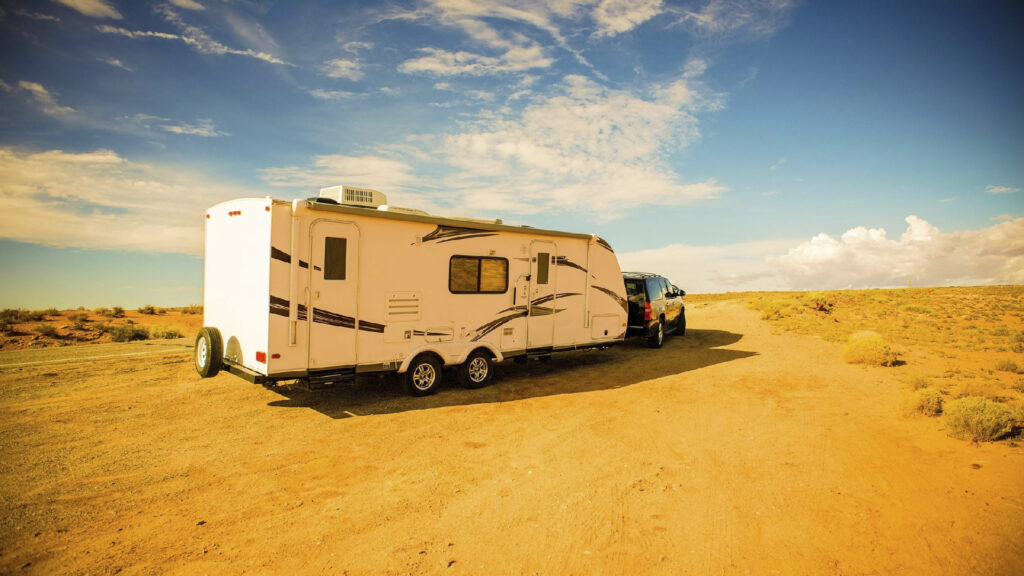
Understanding what is GVWR on a camper is essential for several reasons:
- Safety: Overloading can compromise the stability and handling of the vehicle.
- Performance: Staying within GVWR helps maintain fuel efficiency and protects components like brakes and tires.
- Legal Compliance: Exceeding GVWR can result in fines or liability issues if an accident occurs.
For those who enjoy camping or long road trips with travel trailers, understanding GVWR is crucial. It helps ensure you pack appropriately, avoid overloading, and maintain a well-balanced load. Exceeding this limit not only poses safety hazards but can also impact towing stability, fuel efficiency, and the durability of your camper. Proper weight management also requires understanding what does UVW mean on a trailer, as it provides the baseline weight of the camper before any additional items are loaded. By keeping these factors in mind, you can enjoy your adventures without worrying about mechanical issues or accidents.
Components of GVWR

Several factors contribute to a camper’s GVWR. Let’s break them down.
Unloaded Vehicle Weight (UVW)
What does UVW mean on a trailer? UVW, or Unloaded Vehicle Weight, is the weight of the camper as it leaves the manufacturer. This figure represents the base weight of the camper and includes all standard equipment, appliances, and full fuel tanks (such as propane), but it excludes additional items like passengers, personal belongings, cargo, and extra fluids such as freshwater or wastewater. Essentially, the UVW is the starting point for calculating how much weight you can add to your camper while staying within its GVWR.
When comparing UVW vs GVWR, it’s important to understand their relationship and the role each plays in weight management. What does UVW mean on a trailer? The UVW, or Unloaded Vehicle Weight, is a fixed figure determined by the manufacturer, representing the camper’s base weight with standard equipment but without any additional cargo, passengers, or fluids.
Cargo Carrying Capacity
Cargo carrying capacity refers to the weight of all the items you bring into the camper, including luggage, food, tools, and gear. It is calculated as:
Cargo Carrying Capacity = GVWR – UVW
For example, if your camper’s GVWR is 7,000 pounds and its UVW is 5,500 pounds, your cargo carrying capacity is 1,500 pounds.
Passengers and Fluids
Passengers and fluids (like water and propane) also count toward the GVWR. Here’s how they impact weight:
- Passengers: The average person weighs around 150-200 pounds, so multiple passengers can add significant weight.
- Fluids: Water weighs 8.34 pounds per gallon. A full 50-gallon freshwater tank adds over 400 pounds.
Importance of Adhering to GVWR
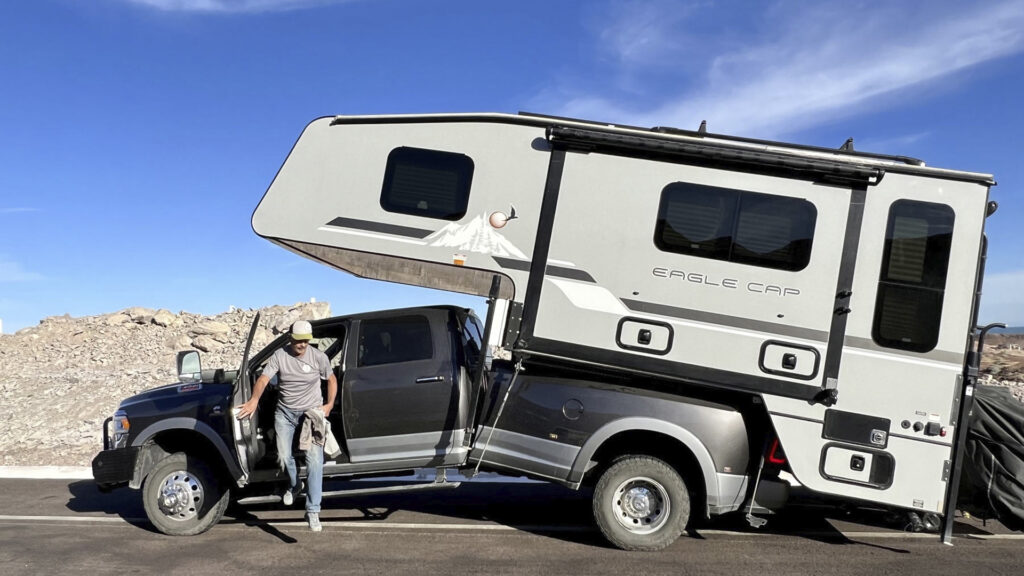
Ignoring GVWR limits can have serious consequences, affecting safety, legality, and the longevity of your camper.
Safety Concerns
Overloading your camper can:
- Reduce stability, increasing the risk of tipping over.
- Extend braking distances, leading to accidents.
- Cause tire blowouts due to excessive strain.
Legal Implications
Exceeding GVWR may result in:
- Fines or citations during weight checks.
- Increased liability in accidents, as overloading could be considered negligence.
Vehicle Performance and Longevity
Overloading can strain the engine, brakes, and suspension, reducing fuel efficiency and accelerating wear and tear. Staying within GVWR ensures optimal performance and extends your camper’s lifespan.
How to Calculate and Manage Your Camper’s Weight
To ensure your camper stays within GVWR limits, you need to measure and manage its weight effectively. This involves a combination of accurately assessing the current weight of your camper and implementing strategies to keep it below the GVWR threshold. Proper weight management is critical for safe towing, improved handling, and compliance with legal weight regulations.
Weighing Your Camper
Here are two common methods to weigh your camper:
- Public Scales: Many truck stops have scales that can measure your camper’s total weight.
- RV Weighing Services: Specialized services provide detailed weight analyses, including distribution across axles.
Weight Distribution
Proper weight distribution affects handling and stability. Keep heavier items low and centered, and balance the load evenly across the trailer.
Tips for Reducing Weight
If your camper is over GVWR, consider these strategies:
- Pack only essential items.
- Opt for lightweight equipment and furniture.
- Drain unnecessary fluids, such as gray and black water tanks, before travel.
GVWR vs. Other Weight Ratings
To fully understand what is GVWR on a trailer, it’s helpful to compare it with other weight ratings.
Gross Axle Weight Rating (GAWR)
GAWR refers to the maximum weight each axle can support. While GVWR represents the overall limit, GAWR ensures weight is evenly distributed across axles.
Gross Combined Weight Rating (GCWR)
GCWR is the maximum weight of the camper and its tow vehicle combined. It’s especially important for those towing trailers, as exceeding GCWR can strain the tow vehicle.
Understanding what is GVWR on a camper is key to safe and enjoyable RVing. By managing RV weight, adhering to GVWR, and knowing the differences between UVW vs GVWR, you can ensure your camper performs at its best while staying compliant with safety and legal standards. Don’t forget to familiarize yourself with related terms like what does UVW mean on a trailer to have a complete understanding of your camper’s weight management system.
Upgrade Your RV’s Performance and Protection Today!
Protect Your RV and Stay Within Weight Limits with Custom Skirting!
Ensure the safe and efficient operation of your camper by complementing your knowledge of what is GVWR on a camper with the ultimate solution in RV protection—custom skirting. Our expertly tailored RV skirting enhances insulation, reduces energy consumption, and safeguards your undercarriage, helping maintain your RV’s integrity and ensuring it stays within weight limits.
With our exclusive “No-Snap, No-Gap” system, you’ll enjoy unmatched protection against water, snow, and wind—perfect for any adventure. Join thousands of RV owners who trust the nation’s #1 RV skirting solution to protect their investment.
Don’t wait—get custom RV skirting today and travel with confidence!