
Fifth Wheel Height: Essential Guide for RV Enthusiasts
Table of contents
If you’re an RV enthusiast considering a fifth wheel, understanding fifth wheel height is essential to maximize your experience on the road. From how much a 5th wheel weighs to the specifics of 5th Fifth Wheel Height: Essential Guide for RV Enthusiasts. Understanding “fifth wheel height” is a vital aspect of RV ownership that affects almost every part of the experience, from safety on the road to campsite selection. For those who wonder, “How much does a 5th wheel weigh?” or are concerned about “5th wheel camper weight,” it’s important to know that height and weight work together to influence the overall stability and handling of your RV. In this guide, we’ll explain why “fifth wheel height” is significant and break down everything you need to know, including tips for accurate measurement, legal regulations, and advice for safe travel.
Understanding Fifth Wheel Height Basics
The height and weight of your 5th wheel camper is more than just a number; it impacts everything from which routes you can take to which campsites can accommodate your RV. Most fifth wheels range from 11’6″ to 13’5″ in height, with 13’6″ often being the maximum legal height in many states. Knowing your fifth wheel’s height is crucial for avoiding low overpasses and staying within legal limits. Additionally, understanding 5th wheel camper height and weight is equally important for ensuring proper towing capacity and safety on the road.
Typical Height Range of Fifth Wheels
how much does a fifth (5ht) wheel weigh and heigh? Fifth wheel height varies based on design, but most models fall between 11’6″ and 13’5″. This range allows for the comforts of an RV without exceeding highway height regulations, which in most states is capped at 13’6″. As you might expect, the specific height of a fifth wheel can vary significantly depending on the model, and accessories like air conditioners, satellite dishes, or antennas can add a few extra inches. Taking these additions into account is essential for a precise understanding of your RV’s true height.
Factors Affecting Fifth Wheel Height
Several factors contribute to how much does a 5th wheel weight and height, including the trailer’s design, the towing vehicle’s height, and the height of the fifth wheel hitch. Here’s how these factors interact:
- Trailer Design: Different manufacturers design fifth wheels with varying layouts, and each design can affect the RV’s overall height.
- Towing Vehicle’s Height: The towing vehicle, particularly its bed height, impacts the height at which the fifth wheel is attached.
- Hitch Height: The hitch connecting the fifth wheel to the towing vehicle has a role in determining the RV’s overall height. Make sure your hitch setup is appropriately adjusted to avoid clearance issues.
Each of these components contributes to the height of your fifth wheel, impacting both its stability and road safety.
Measuring Your Fifth Wheel’s Height

Knowing how much does a 5th wheel weigh and heigh is key to ensuring a safe and compliant RV experience. Here’s a step-by-step guide for measuring accurately.
Step-by-Step Measurement Guide
- Park on Level Ground: Begin by parking your fifth wheel on level ground to ensure accuracy.
- Use a Ladder and Tape Measure: With a ladder and tape measure, start measuring from the ground up to the highest point on your fifth wheel, which is usually an AC unit or other roof-mounted accessory.
- Include All Accessories: Make sure to account for all accessories, such as antennas or vents, as these can add significant height.
- Record the Measurement: Note the final height and keep it accessible for trip planning. Accurate measurements will help you avoid low clearances and other road hazards.
Common Measurement Mistakes to Avoid
When measuring your fifth wheel height, there are a few mistakes that are easy to make but could lead to clearance issues down the road.
- Forgetting Accessories: One of the most common errors is forgetting to include roof-mounted accessories. This can lead to unexpectedly getting stuck under a low overpass.
- Measuring from Inside: Always measure from the exterior of the RV, as measuring from inside will not reflect the true clearance needed.
- Ignoring Towing Vehicle Height: Your towing setup may slightly increase the overall height; always double-check the final measurement after hitching up to avoid surprises.
Legal and Safety Considerations
As an RV owner, it’s your responsibility to know the height regulations for your fifth wheel, especially if you’re planning a cross-country trip.
State-Specific Height Regulations
In the U.S., most states enforce a maximum vehicle height of 13’6″, but some states may have specific regulations that require checking ahead. Variances can exist, and RV owners should research the rules for every state they intend to travel through. Knowing state-specific regulations helps avoid fines and ensures your fifth wheel doesn’t face clearance restrictions.
Clearance Requirements and Safety
Adequate clearance is essential to prevent collisions between your fifth wheel and overpasses or other low structures. For a fifth wheel, the recommended clearance between the RV and the towing vehicle is 6-8 inches. Insufficient clearance could result in damage to the fifth wheel or towing apparatus, especially on uneven terrain or when going over bumps. When in doubt, opt for a setup with extra clearance for safer maneuverability.
Fifth Wheel Height and Towing Considerations
The height of your fifth wheel not only affects your RV’s compatibility with different routes and campgrounds, but it also plays a significant role in your towing setup.
Impact on Towing Vehicle Selection
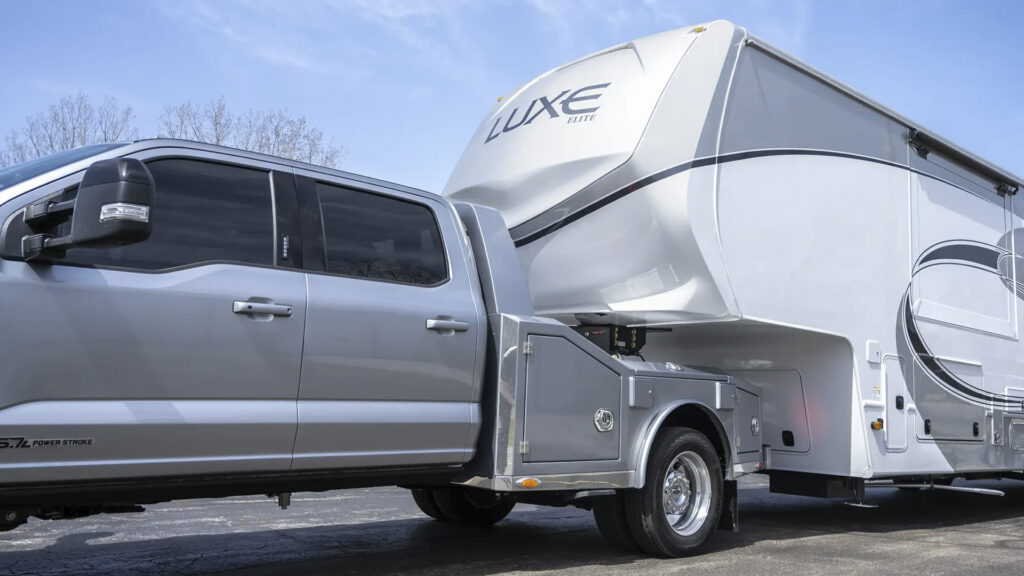
The height of your fifth wheel impacts the bed height of your truck, and some towing vehicles may be better suited to your specific fifth wheel model. When a fifth wheel sits too high or low compared to the truck bed, it can create stability issues. For example, if the bed is too high, it might tilt the fifth wheel, affecting both stability and maneuverability. Choosing a towing vehicle that aligns well with the height of your fifth wheel is essential for balanced and safe towing.
Maneuverability and Stability
Taller fifth wheels have a higher center of gravity, which can influence their stability, especially on winding roads or during sudden maneuvers. RVs with a high center of gravity are more susceptible to sway and may require additional sway control or stabilizer bars to improve handling. These considerations are especially relevant if you plan to travel in mountainous or off-road areas, where road conditions can make stability more challenging.
Navigating with a Fifth Wheel

To travel safely with your fifth wheel, proper route planning and an understanding of campsite limitations are essential.
Route Planning and Height Restrictions
When mapping out your journey, it’s crucial to be aware of height restrictions that may affect your fifth wheel. Some overpasses, tunnels, and bridges may be too low for certain fifth wheels, which could force you to take detours. There are various apps and GPS tools specifically designed for RVers that allow you to set height requirements for your route, helping you avoid potential obstacles and save time.
Campground and RV Park Considerations
Some campgrounds have specific height restrictions or designated spots only for smaller RVs. Checking the height limits at your destination in advance will prevent inconvenient surprises. Even if a campsite allows tall fifth wheels, the placement of trees, awnings, or overhead structures could still cause clearance issues. Additionally, knowing how much a 5th wheel weighs can help with site selection, as some campsites may have weight limitations for certain spots. Confirming with the campground before booking is an excellent way to ensure a smooth arrival and setup.
By following this comprehensive guide, you’ll be equipped with the essential knowledge from how much does a 5th wheel weigh, and ensuring that every journey with your RV is both safe and enjoyable.
Upgrade Your Fifth Wheel Protection with Custom Skirting
Enhance your fifth wheel experience with custom skirting that’s built to last! With fifth wheels often having higher clearance, cold drafts, and pests can find their way into your RV’s undercarriage. Our premium RV skirting offers a seamless, insulated barrier that keeps your living space cozy and protected, no matter the weather. Featuring our exclusive “No-Snap, No-Gap” channel system, this skirting is crafted on-site to perfectly fit your fifth wheel, blocking out wind, water, and snow with unmatched efficiency. Discover the nation’s #1 custom skirting solution and adventure with peace of mind. Get started today—comfort and quality await!