
Used RV Buying Guide: 10 Essential Steps for Success
Table of contents
- Benefits of Buying a Used RV
- 1. Determine Your RV Needs and Budget
- 2. Research Different RV Types and Models
- 3. Check Vehicle History and Maintenance Records
- 4. Conduct a Thorough Inspection
- 5. Test All Systems and Appliances
- 6. Evaluate the Tires and Suspension
- 7. Take a Test Drive
- 8. Consider Professional Inspection
- 9. Research Fair Market Value Guides
- 10. Negotiate and Finalize the Purchase
- What to Look Out for When Buying a Used RV?
- What Not to Do When Buying an RV?
- What Is the Best Month to Buy a Used RV?
- Is It Worth It to Buy a Used RV?
- Post-Purchase Considerations
- Conclusion
- Related Articles
Embarking on the journey of buying a used RV can be both exciting and daunting. This comprehensive used RV buying guide aims to navigate you through the complex process of finding the perfect pre-owned recreational vehicle. Understanding what to look for when buying a used RV is crucial to avoid costly mistakes and ensure you get the best value for your investment. Whether you’re a first-time buyer or looking to upgrade, this used RV buyers guide provides essential information on how to buy a used RV that meets your needs without breaking the bank or leading to regrets down the road.
Benefits of Buying a Used RV
Purchasing a pre-owned recreational vehicle comes with numerous advantages that make it an attractive option for many buyers. Here’s why buying a used RV might be the right choice for you:
Significant Cost Savings
New RVs typically lose 20-30% of their value within the first few years of ownership. By purchasing used, you avoid this steep depreciation curve, allowing your investment to hold its value better over time. This financial advantage means you can often get a higher-end model for the same budget you’d allocate to a basic new unit.
More Features for Your Budget
Used RVs frequently come with upgrades and modifications already installed by previous owners. These enhancements—like solar panels, upgraded appliances, or custom storage solutions—would cost thousands to add yourself. When buying an RV that’s pre-owned, you benefit from these improvements without paying full price for them.
Real-World Testing
Many manufacturing issues in RVs become apparent during the first year or two of use. When you purchase a used model that’s a few years old, these initial problems have likely been identified and resolved by the previous owner. This means fewer surprises and a more reliable vehicle from day one.
Try Before You Commit
For those new to the RV lifestyle, buying used allows you to test whether this way of traveling suits you without maximum financial commitment. If you decide the RV life isn’t for you, you’ll typically lose less money when reselling a used unit than you would with a new one.
1. Determine Your RV Needs and Budget
The first step in this used RV buyers guide is to clearly define what you want out of your RV experience. Ask yourself questions like:
- How often do you plan to use the RV?
- What type of travel will you be doing (short trips, extended stays, full-time living)?
- How many people will be traveling with you?
- What amenities are non-negotiable?
Once you’ve answered these questions, you’ll have a better idea of the type of RV that suits your needs and what to look for when buying a used RV. Whether it’s a compact travel trailer or a spacious motorhome, understanding your requirements will streamline your search.
Next, establish a realistic budget. This budget should include not just the purchase price but also ongoing expenses such as:
- Maintenance and repairs
- Insurance
- Storage fees
- Fuel and operating costs
Setting a budget early on will help you avoid overspending and ensure that you’re financially prepared for the responsibilities of RV ownership.
2. Research Different RV Types and Models
RVs come in various shapes and sizes, each catering to different types of travelers. Understanding the differences between these types is crucial when considering what to look for when buying a used RV. Here’s a quick overview:
- Class A Motorhomes: These are the largest and most luxurious RVs, offering ample living space and amenities. However, they are also the most expensive and challenging to maneuver.
- Class B Motorhomes (Campervans): These are smaller and more agile, making them ideal for solo travelers or couples. They are easy to drive but offer limited living space.
- Class C Motorhomes: These RVs offer a good balance between size and amenities. They are built on a truck or van chassis and provide more living space than Class B, but are easier to handle than Class A.
- Travel Trailers: These towable RVs come in various sizes and offer flexibility since they can be detached from the towing vehicle. They are generally more affordable but require a suitable tow vehicle.
- Fifth Wheels: These are large towable RVs that provide ample living space, often with multiple slide-outs. They require a truck with a special hitch to tow.
Each type has its pros and cons, so consider your travel style, the number of people traveling, and your budget when choosing the right model. Referring to a comprehensive used RV buying guide can help you narrow down your options and find the RV that best fits your needs.
3. Check Vehicle History and Maintenance Records
One of the most critical steps in this used RV buyers guide is obtaining and reviewing the vehicle’s history and maintenance records. These documents can provide invaluable insights into how well the RV has been maintained and whether it’s been involved in any accidents.
When reviewing the records, look for:
- Consistent Maintenance: Regular oil changes, inspections, and repairs indicate that the previous owner took good care of the RV.
- Accident History: Check for any reported accidents. While not necessarily a deal-breaker, previous damage can impact the RV’s structural integrity.
- Recalls and Repairs: Ensure that any recalls have been addressed and that repairs were done by certified professionals.
Red flags to watch out for include missing records, inconsistent maintenance, or a history of frequent repairs, which could indicate underlying issues.

4. Conduct a Thorough Inspection
Knowing how to buy a used RV and what to look for involves more than just reviewing paperwork—it’s essential to perform a thorough inspection of the RV itself. Here’s a comprehensive checklist to guide you:
- Exterior: Look for signs of water damage, rust, or cracks in the body. Check the condition of the roof, seals, and windows. Ensure that the awnings and slide-outs operate smoothly.
- Interior: Inspect for mold, mildew, or water stains on the walls and ceilings. Check the condition of the flooring, cabinetry, and upholstery. Test all lights, switches, and outlets.
- Mechanical Systems: Inspect the engine (for motorized RVs), brakes, and transmission. Look for leaks or unusual noises.
- Appliances: Test the refrigerator, stove, oven, microwave, and any other installed appliances. Ensure they function properly.
- Plumbing and Electrical Systems: Check for leaks in the plumbing and ensure the water pump works. Test the RV’s electrical systems, including the battery and generator.
Water damage is a particularly critical issue to look out for, as it can lead to expensive repairs. Be thorough and don’t rush the inspection process.
5. Test All Systems and Appliances
Before finalizing any purchase, it’s crucial to test all the systems and appliances in the RV. This step is often overlooked, but it’s vital to ensure everything is in working order. Here’s what to look for when buying a used RV:
- Electrical System: Test all outlets, lights, and the power converter. Check the battery’s condition and charge.
- Plumbing System: Run water through all faucets, showers, and toilets. Check for leaks and ensure the water heater is functioning.
- Heating and Cooling: Test the furnace and air conditioning units. Make sure they heat and cool effectively.
- Appliances: Run the refrigerator, stove, oven, and microwave for several minutes. Listen for unusual sounds and ensure they reach the correct temperatures.
If any issues arise during testing, consider whether you’re willing to invest in repairs or if it’s better to continue your search.
6. Evaluate the Tires and Suspension
The condition of the tires and suspension plays a crucial role in the safety and comfort of your RV and is an essential part of the used RV buyers guide. Here’s how to assess these components:
- Tires: Check the age of the tires (typically stamped on the sidewall). Tires older than 6-7 years, regardless of tread condition, should be replaced. Inspect for uneven wear, cracks, or bulges.
- Suspension: Examine the suspension system, including the shocks and springs. Look for signs of wear or damage. A faulty suspension can lead to a rough ride and poor handling.
Investing in new tires or suspension repairs can be costly, so factor this into your budget if necessary.
7. Take a Test Drive
For motorized RVs, a test drive is an essential part of the used RV buyers guide. Here’s what to focus on during the test drive:
- Handling: Pay attention to how the RV handles turns and curves. It should feel stable and not sway excessively.
- Acceleration and Braking: Test the acceleration and braking. The RV should respond smoothly and without hesitation.
- Comfort: Assess the comfort of the driver’s seat and visibility. Ensure that mirrors and controls are easily accessible.
If the RV doesn’t drive as expected, it may need mechanical repairs, which should be considered before making a purchase.
8. Consider Professional Inspection
Even if you’re confident in your inspection skills, hiring a professional RV inspector can provide peace of mind. A professional inspection typically covers:
- Structural Integrity: Ensures that the RV’s frame and body are sound.
- Mechanical Systems: A thorough check of the engine, transmission, and other mechanical components.
- Electrical and Plumbing: Detailed testing of all electrical and plumbing systems.
A professional inspection can identify issues you might have missed and provide leverage in negotiations.
9. Research Fair Market Value Guides
Before making an offer, researching the fair market value of the RV is an essential part of the used RV buyers guide. Resources like NADA Guides and RV Trader can help you determine this value based on the RV’s age, condition, and features.
Factors that influence an RV’s value include:
- Mileage: Lower mileage often translates to a higher value.
- Upgrades: Modern amenities or recent upgrades can increase the RV’s worth.
- Market Demand: Seasonal trends and regional demand can affect pricing.
Knowing the fair market value ensures that you’re paying a reasonable price and can assist in negotiating a better deal.
10. Negotiate and Finalize the Purchase
The final step in this used RV buyers guide is to negotiate the price and finalize the purchase. Here are some tips:
- Use Inspection Results: Leverage any issues found during the inspection to negotiate a lower price.
- Be Prepared to Walk Away: If the seller isn’t willing to negotiate, be ready to walk away. There are plenty of other RVs available.
- Finalizing the Sale: Once a price is agreed upon, ensure all paperwork is in order. This includes the title, bill of sale, and any warranty transfers. Discuss payment methods and be cautious of scams.
Taking your time during this process can help you secure the best deal and avoid buyer’s remorse.
What to Look Out for When Buying a Used RV?
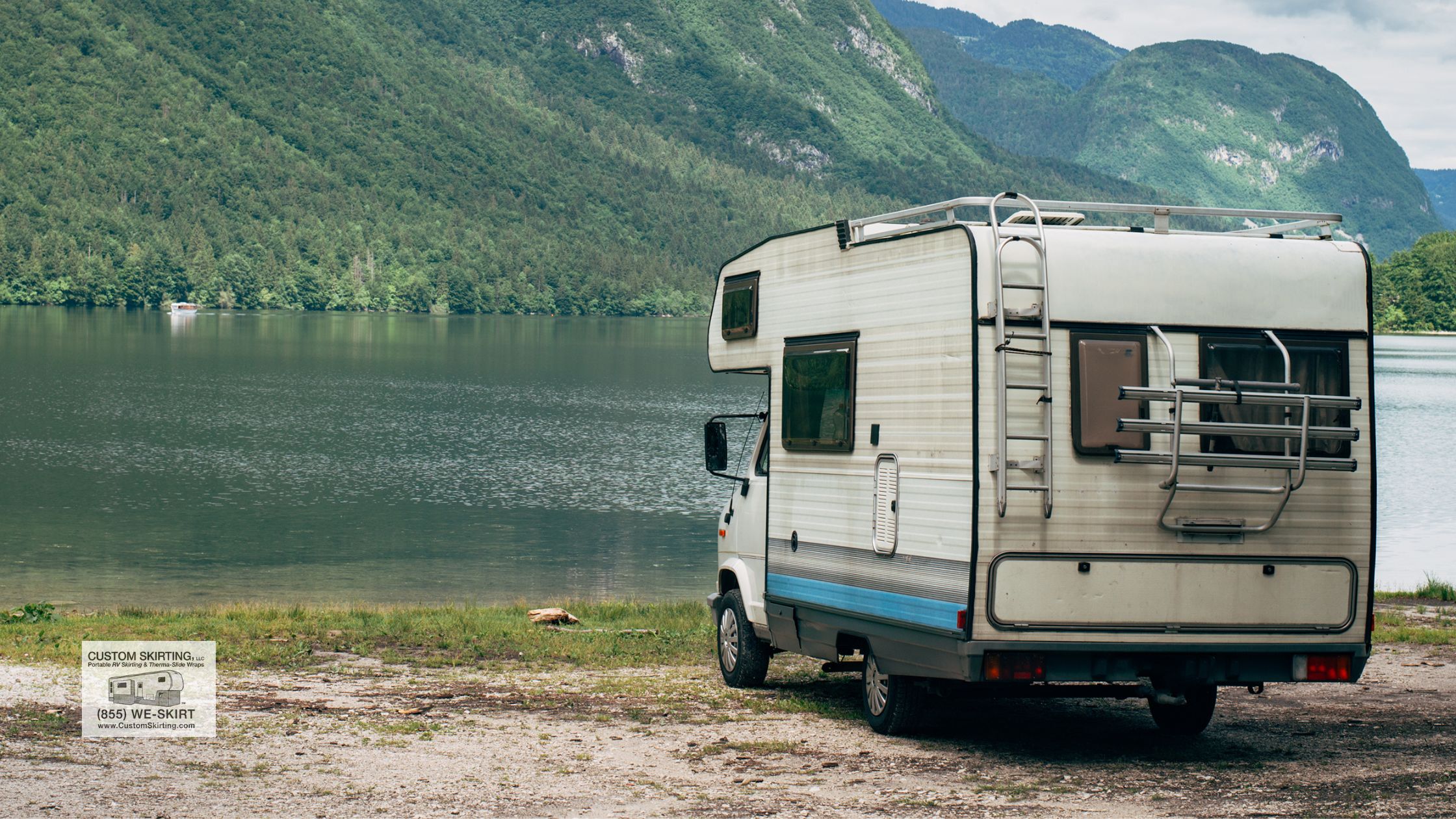
When considering what to look for when buying a used RV, there are several common issues to keep in mind:
- Water Damage: One of the most critical things to watch out for is water damage. Look for stains, soft spots, or musty odors, especially around windows, doors, and the roof. Water damage can lead to costly repairs and may indicate underlying structural issues.
- Worn Tires: Tires are a crucial safety component, and worn or aged tires can be dangerous. Check for cracks, uneven wear, and tread depth. Tires older than 6-7 years should be replaced, regardless of their appearance.
- Outdated Appliances: Old or non-functional appliances can be a red flag. Test the refrigerator, stove, microwave, and other appliances to ensure they are in good working condition. Replacing appliances can be expensive.
- Hidden Mechanical Problems: Inspect the engine, transmission, and other mechanical systems for signs of wear or neglect. Listen for unusual noises during the test drive and check for leaks under the vehicle. Mechanical issues can be costly to repair.
A thorough inspection, combined with a professional assessment, is vital to uncovering these potential problems before finalizing your purchase.
What Not to Do When Buying an RV?
Avoiding common mistakes is crucial when buying a used RV. Here are a few things not to do:
- Skipping the Inspection: Never skip a thorough inspection. Relying solely on the seller’s word can lead to unpleasant surprises down the road. Inspect the RV yourself, and consider hiring a professional inspector.
- Failing to Research the Market Value: Always research the fair market value of the RV you’re interested in. Tools like NADAGuides and RV Trader can help you determine if the asking price is reasonable. Overpaying can lead to buyer’s remorse.
- Not Testing All Systems: It’s essential to test all the RV’s systems, including electrical, plumbing, heating, cooling, and appliances. Ensure everything is in working order before making a purchase. Skipping this step can lead to unexpected repair costs.
Being diligent and thorough during the buying process will help you avoid these common pitfalls and ensure a better purchase experience.
What Is the Best Month to Buy a Used RV?
The timing of your purchase can significantly impact the price you pay. So, how to buy a used RV at the best price? Consider these seasonal factors:
- End-of-Season Sales: Many sellers, including dealerships and private owners, are eager to sell their RVs at the end of the camping season, typically in late fall. This is often the best time to find deals as sellers look to offload their RVs before winter.
- Winter Months: Demand for RVs tends to be lower during the winter months, leading to better prices. If you can wait until winter to make your purchase, you may find significant savings.
- Spring and Summer: Conversely, spring and summer are peak buying seasons, with higher demand and prices. If you need to buy during this time, be prepared to pay a premium.
Timing your purchase strategically can save you money and help you find the best deals.
Is It Worth It to Buy a Used RV?
Deciding whether buying a used RV is worth it depends on several factors:
- Cost Savings: One of the most significant advantages of buying used is the potential for cost savings. Used RVs are generally much cheaper than new ones, allowing you to get more features for your money.
- Depreciation: New RVs depreciate quickly, losing a significant portion of their value within the first few years. With a used RV, you avoid the steepest part of the depreciation curve, making your investment more stable.
- Immediate Use: A used RV is typically ready to use right away, without the need for an extensive break-in period or the fear of immediate depreciation.
- Thorough Research and Inspection: The key to getting a good deal on a used RV is thorough research and inspection. If you find a well-maintained RV at a fair price, it can be a fantastic investment. However, if you skip the necessary due diligence, you might end up with a money pit.
Post-Purchase Considerations
After successfully navigating the used RV buying guide process and making your purchase, several important steps will help ensure a smooth transition to ownership.
Immediate Priorities
Address these items soon after purchase:
- Transfer insurance coverage before driving away
- Complete registration and titling paperwork
- Address any critical maintenance issues identified during inspection
- Consider installing RV skirting to protect your investment
Learning Your RV
Take time to familiarize yourself with your new vehicle:
- Read all owner’s manuals thoroughly
- Practice setting up and operating all systems before your first trip
- Create a checklist for setup and breakdown procedures
- Consider taking an RV driving or ownership course
Establishing Maintenance Routines
Develop a maintenance schedule based on:
- Manufacturer recommendations
- The RV’s age and condition
- Your usage patterns and climate considerations
- Seasonal needs like winterizing and de-winterizing
Joining RV owners’ forums and clubs can provide valuable support and information specific to your RV model as you begin your ownership journey.
Conclusion
The journey of buying a used RV requires patience, diligence, and thorough research, but the rewards of finding the right vehicle at the right price make the effort worthwhile. This used RV buying guide has covered the essential aspects of what to look for when buying a used RV, from inspection techniques to negotiation strategies. By following these guidelines, you can approach the process with confidence and avoid the costly mistakes that often plague unprepared buyers.
Remember that the perfect RV for you balances your budget, needs, and lifestyle requirements. Take your time, conduct thorough inspections, and don’t hesitate to walk away from a deal that doesn’t feel right. With careful preparation and the knowledge gained from this used RV buyers guide, you’re well-equipped to find a pre-owned recreational vehicle that will provide years of adventure and memories.
Protect Your Investment with Custom RV Skirting
After following our used RV buying guide and making your purchase, protect your investment with professional RV skirting from Custom Skirting. Our team will blueprint and custom-tailor skirting on-site for a perfect fit that enhances both protection and appearance. Our exclusive “No-Snap, No-Gap” channel system provides superior protection against water, snow, and wind compared to any other product on the market. With over a decade of testing in the harshest northern climates, our user-friendly design can be installed by one person in about an hour and moves with you wherever your adventures lead. Don’t compromise on quality—experience the nation’s #1 RV skirting solution and give your used RV the protection it deserves!