
The Ultimate Guide to the Best RV Covers
Table of contents
- Why You Need an RV Cover
- Understanding RV Cover Materials
- Pros and Cons of Using RV Covers
- Top RV Cover Brands and Their Best Products
- Essential Features to Look for in RV Covers
- How to Measure For the Correct Fit
- Installation and Maintenance Tips for RV Covers
- Protect Your RV From Top to Bottom
- Related Articles
Investing in one of the best RV covers available is a crucial step in protecting your recreational vehicle from the harsh elements. Whether you’re searching for the best RV cover for winter storage or the best travel trailer covers for year-round protection, choosing the right option can significantly extend your vehicle’s lifespan and maintain its value. The best travel trailer covers for winter offer specialized protection against snow and freezing temperatures, while all-season best RV covers provide versatile defense against UV rays, rain, dust, and debris. This comprehensive guide will help you navigate the various options to find the perfect cover that meets your specific needs, budget, and storage conditions.
Why You Need an RV Cover
Your recreational vehicle represents a significant investment, and protecting it from environmental damage is essential for maintaining both its appearance and functionality. RV covers for winter serve as the first line of defense against numerous threats that can deteriorate your vehicle over time.
UV rays from the sun cause extensive damage, fading exteriors, cracking dashboards, and deteriorating rubber seals around windows and doors. Water infiltration leads to leaks, mold, and structural damage that can be costly to repair. Bird droppings, tree sap, and industrial pollutants contain acidic compounds that can etch into your RV’s finish if left unattended.
Even RVs stored in carports benefit from covers, as they provide an additional layer of protection against dust, debris, and partial UV exposure. Beyond preventing damage, using one of the best RV covers significantly reduces cleaning time when preparing for the travel season. Instead of spending days scrubbing away accumulated grime, you can simply remove the cover and enjoy a relatively clean RV ready for adventure.
Understanding RV Cover Materials
Polyester Covers
Polyester covers represent an excellent balance of durability, weight, and protection. These lightweight yet robust covers often feature ripstop technology—a special reinforcement technique that prevents small tears from spreading. This makes them particularly suitable for areas with moderate weather conditions.
High-quality polyester covers like Classic Accessories’ PermaPro line incorporate UV inhibitors and water-resistant coatings that enhance their protective capabilities. These treatments help the material resist fading and maintain water resistance over extended periods. The best polyester RV/travel trailer covers for winter typically offer 3-4 years of reliable protection before needing replacement, making them a solid mid-range investment.
One significant advantage of polyester is its relatively light weight, which makes installation and removal easier compared to heavier materials. This is particularly beneficial for seasonal RV users who frequently put on and take off their covers. However, in extreme weather conditions, polyester may not offer the same level of protection as premium materials like Tyvek or olefin.
Polypropylene Covers
Polypropylene covers represent the most budget-friendly option while still providing adequate protection for your RV/travel trailer. These covers are naturally water-resistant and offer good breathability, which helps prevent moisture buildup and mold growth underneath the cover.
Products like Classic Accessories’ PolyPRO 3, which features triple-layer polypropylene construction, offer enhanced durability compared to single-layer options. Camco’s Ultra-Shield line similarly uses multi-layer polypropylene to improve tear resistance and longevity. These multi-layer designs help compensate for polypropylene’s primary weakness—it’s generally less durable than other materials when exposed to intense UV radiation for extended periods.
Polypropylene covers typically last 1-3 years depending on climate conditions and usage patterns. While they may require more frequent replacement than premium options, their lower initial cost makes them attractive for RV owners on a budget or those who only need seasonal protection.
Tyvek Covers
Tyvek, a synthetic material developed by DuPont, offers exceptional water resistance while maintaining excellent breathability. This unique combination makes it ideal for RV/travel trailer covers designed for wet climates where preventing moisture damage is paramount.
Camco’s Pro-Shield line utilizes Tyvek to create premium covers that effectively shed water while allowing trapped moisture to escape. This significantly reduces the risk of mold and mildew formation during long-term storage. Tyvek covers typically come with extended warranties of 4-5 years, reflecting their superior durability and performance.
The primary drawback of Tyvek covers is their higher price point, often 30-50% more expensive than comparable polypropylene options. However, for RV owners in particularly wet regions or those seeking the best possible protection for expensive vehicles, the investment in a Tyvek cover often proves worthwhile over time.
Olefin Covers
Olefin (polypropylene fiber) covers stand out for their exceptional UV resistance and durability in harsh conditions. This material resists fading, deterioration, and weakening from sun exposure better than most alternatives, making it ideal for RVs stored in sunny, hot climates.
ADCO’s Olefin HD and UV Hydro lines leverage this material’s natural strengths to create covers specifically designed for intense sun exposure. These covers typically feature additional reinforcement in high-stress areas and may incorporate multiple layers for enhanced protection. Many olefin covers come with 3-5 year warranties, though they often last even longer in moderate climates.
Like Tyvek, olefin covers represent a premium option with a higher initial cost. However, their extended lifespan and superior protection in harsh conditions make them cost-effective for long-term RV owners, particularly those in the southern United States or other regions with intense year-round sun exposure.
Pros and Cons of Using RV Covers
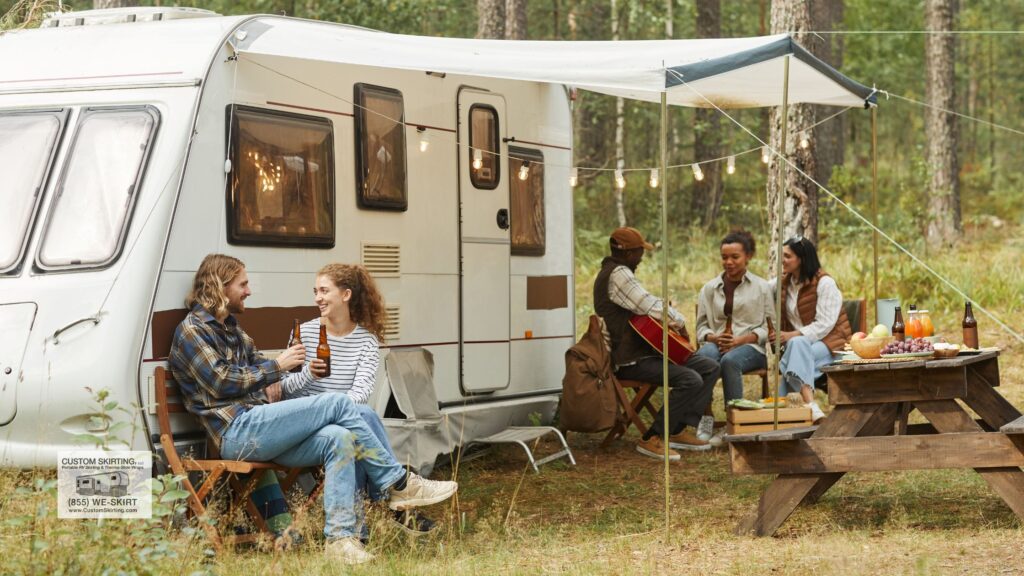
Before purchasing an RV cover, it’s essential to consider the advantages and disadvantages:
Pros
- Protection: Shields your RV from UV rays, rain, snow, and debris, preventing damage to the exterior finish and interior furnishings.
- Preservation: Helps maintain your RV’s appearance and structural integrity, reducing the need for costly repairs and prolonging its lifespan.
- Cost-Effective: Investing in an RV cover is a cost-effective way to protect your investment and avoid potential damage from environmental hazards.
- Convenience: Easy to install and remove, providing hassle-free protection whenever your RV is not in use.
Cons
- Condensation: RV covers may trap moisture underneath, leading to mold and mildew growth if not adequately ventilated.
- Fitment Issues: Poorly fitting covers may flap in the wind or allow water to seep in, causing damage to the camper’s surface.
- Maintenance: Requires periodic cleaning and inspection to ensure proper function and prevent damage to the RV’s exterior.
Top RV Cover Brands and Their Best Products
When choosing an RV cover, it’s essential to consider factors such as size, material quality, durability, and weather resistance. Here are the top 5 best RV covers for winter available:
ADCO RV Covers
ADCO has established itself as an industry leader with over 55 years of experience manufacturing RV covers. Their premium Olefin HD line features a unique three-layer construction that provides exceptional protection against UV damage while maintaining good breathability. These covers include a polypropylene top layer with UV inhibitors, a microporous middle film that blocks water while allowing moisture vapor to escape, and a soft inner layer that protects your RV’s finish.
For extreme weather conditions, ADCO’s UV Hydro line combines water resistance with superior UV protection. These covers feature reinforced corners with weighted tie-downs and an innovative tension panel system that reduces wind stress and billowing. ADCO covers typically come with 3-year warranties for their standard lines and up to 5 years for premium options.
ADCO excels at providing model-specific covers for nearly every RV type, from small pop-up campers to 40+ foot Class A motorhomes. Their sizing guide is particularly comprehensive, helping ensure you get the perfect fit for your specific vehicle.
Camco RV Covers
Camco’s Ultra-Shield line offers excellent value with triple-layer polypropylene construction that balances affordability with decent protection. These covers feature reinforced corners, a self-adjusting hold-down system, and zippered access panels for doors and storage compartments. They’re particularly well-suited for moderate climates and seasonal storage.
For RV owners seeking premium protection, Camco’s Pro-Shield covers utilize Tyvek material for superior water resistance while maintaining breathability. These covers include extra reinforcement at roof edges and corners, plus an advanced venting system that significantly reduces moisture buildup. Pro-Shield covers typically come with a 4-year warranty and are ideal for wet climates or year-round outdoor storage.
Camco’s covers are known for their user-friendly design features, including color-coded tension panels and intuitive strap systems that simplify installation. Their comprehensive sizing options accommodate everything from small travel trailers to large 5th wheels with multiple slide-outs.
Classic Accessories RV Covers
Classic Accessories offers two primary RV cover lines: PermaPro and PolyPRO 3. The PermaPro series features ripstop polyester construction with excellent tear resistance and UV protection. These covers include an advanced climate control system with multiple air vents to prevent mold and mildew, plus zippered panels for easy access to doors, engine compartments, and storage areas.
The more affordable PolyPRO 3 line uses triple-layer polypropylene with decent water resistance and UV protection. These covers include tension panels to reduce billowing and an elastic hem cord for a custom-like fit. While not as durable as the PermaPro series, they offer good value for seasonal storage or moderate climates.
Classic Accessories stands out for their attention to detail in fit and function. Their covers feature thoughtful elements like integrated buckle attachment points and storage bags with compression straps. Most Classic Accessories covers come with 3-year warranties, with extended coverage available for premium models.
Eevelle RV Covers
Eevelle specializes in high-end RV/travel trailer covers for winter with their flagship Goldline series offering 5-year warranty protection. These covers use a proprietary fabric blend that combines excellent UV resistance with superior tear strength. The Goldline series includes reinforced corners with padded protection, multiple zippered access panels, and a patented venting system that effectively reduces wind stress and moisture buildup.
Their S2 Expedition line, with a 3-year warranty, offers a more affordable option while still providing good protection. These covers feature a lighter-weight material with UV inhibitors and water-resistant coating. Both lines include Eevelle’s innovative “Grip-Tight” system that helps secure the cover even in windy conditions.
Eevelle covers are particularly well-suited for RV owners in extreme climates, as their construction quality and reinforcement in high-stress areas help them withstand harsh conditions better than many competitors. Their sizing options accommodate standard RVs as well as those with multiple slide-outs or unusual configurations.
Essential Features to Look for in RV Covers
Zippered Access Panels
Quality RV covers include strategically placed zippered panels that allow access to doors, storage compartments, and engine areas without removing the entire cover. These panels should feature anti-scratch sleeves around the zippers to prevent damage to your RV’s finish during use.
For travel trailers and 5th wheels, look for covers with at least three access panels: one for the main entry door and two for storage compartments. Motorhome covers should include additional panels for engine access and driver/passenger doors. The best RV covers feature heavy-duty YKK zippers with pull tabs large enough to operate while wearing gloves—an important consideration for winter storage.
Some premium covers include innovative features like Velcro flaps that protect zippers from the elements or reflective zipper pulls for easier location in low light conditions. These small details can significantly improve the user experience and extend the life of both the cover and your RV.
Reinforced Corners and Edge Guards
Corners and edges experience the most stress on RV covers, particularly during windy conditions. High-quality covers feature reinforced corners with additional layers of material or specialized padding to prevent wear and tear at these critical points.
Edge guards serve dual purposes: they protect your RV from abrasion caused by the cover moving in the wind, and they prevent the cover itself from wearing through at high-friction points. The best edge guards include soft padding that won’t scratch your RV’s finish while still providing durable reinforcement.
When evaluating covers, pay particular attention to the quality of corner reinforcement around roof edges, where wind can cause significant flapping and stress. Premium covers often include extra reinforcement panels that extend 12-24 inches down from the roof edges to provide additional protection in these vulnerable areas.
Securing Systems
An effective securing system keeps your cover in place during windy conditions while allowing for easy installation and removal. The best RV/travel trailer covers for winter feature a combination of securing methods, including:
- Adjustable tension panels that reduce billowing and wind stress
- Weighted buckles that won’t scratch your RV’s finish
- Elastic hem cords that provide a snug fit around the bottom perimeter
- Reinforced grommets for additional tie-downs in extremely windy conditions
For larger RVs, look for covers with integrated tension straps that run underneath the vehicle to prevent the cover from lifting during high winds. Some premium covers include innovative features like quick-release buckles that simplify removal or specialized cinching systems at the front and rear to ensure a custom-like fit.
Ventilation Systems
Proper ventilation is crucial for preventing moisture buildup under your RV cover. Without adequate airflow, condensation can form and create ideal conditions for mold and mildew growth, potentially causing significant damage to your RV’s exterior and interior.
The best RV covers feature integrated venting systems with covered openings that allow air circulation while preventing water infiltration. Premium covers typically include 4-6 vents strategically placed to create effective cross-ventilation. These vents should include mesh barriers that prevent debris from entering while still allowing airflow.
In humid climates, consider covers with enhanced ventilation features like larger vents or additional openings around wheel wells and slide-outs. Some high-end covers even incorporate breathable panels in specific areas to maximize moisture release while maintaining water resistance elsewhere.
Additional Accessories
Many quality RV/travel trailer covers for winter include valuable accessories that enhance protection and convenience. Storage bags with compression straps help compact the cover when not in use and provide a clean, dry place for storage. These bags should be made from durable materials with reinforced handles for easy transport.
Patch kits allow for quick repairs of minor tears or punctures, extending the life of your cover. The best kits include self-adhesive patches in matching colors and detailed repair instructions. Some premium covers also include specialized cleaning solutions designed to remove dirt and debris without damaging the cover’s protective coatings.
Optional accessories worth considering include wheel covers that provide additional protection for tires during long-term storage, and specialized straps or weights that enhance wind resistance in particularly exposed storage locations. While these accessories add to the initial cost, they can significantly extend the life of both your cover and RV.
How to Measure For the Correct Fit
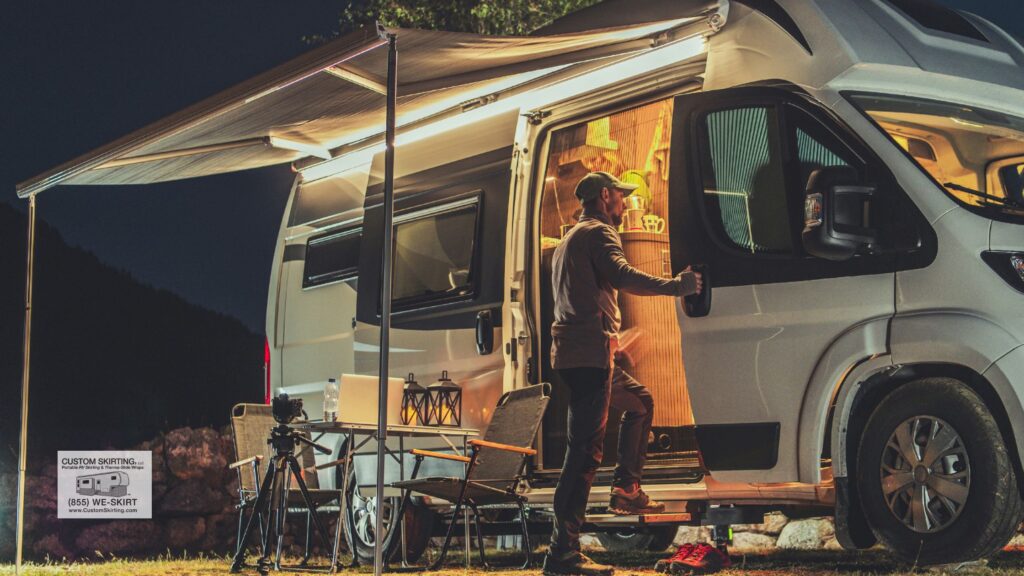
Ensuring the proper fit of a travel trailer cover for winter is crucial for effective protection. Here’s a step-by-step guide on how to measure your RV for the correct fit:
- Measure Length: Start by measuring the overall length of your RV from the front bumper to the rear bumper. Include any additional length from accessories such as ladders, spare tire mounts, or bike racks.
- Measure Width: Next, measure the width of your RV at its widest point. This is typically at the roofline or the widest part of the body, excluding any mirrors or awnings.
- Measure Height: Measure the height of your RV from the ground to the highest point, usually the roof’s peak or the top of the air conditioning unit.
- Compare Measurements: Once you have these measurements, compare them to the sizing chart provided by the manufacturer. Choose the cover size that closely matches your campers dimensions for the best fit and protection.
Installation and Maintenance Tips for RV Covers
Proper Installation Techniques
Correct installation is crucial for maximizing the protection and lifespan of your RV cover. Begin by thoroughly cleaning your RV to remove dirt, debris, and sharp particles that could damage the cover from underneath. Pay special attention to the roof, where debris often accumulates.
Before placing the cover, pad all sharp corners and edges with foam, pool noodles, or specialized corner protectors. This includes roof edges, antennas, ladder corners, and any other protrusions that might wear through the cover. For motorhomes, consider covering side mirrors or removing them if possible.
When installing the cover, work with a partner for larger RVs—attempting installation alone can lead to improper fitting and potential damage to both the cover and your RV. Start at the front and work toward the back, carefully positioning the cover before securing it. Most covers are labeled with “front” and “rear” to ensure proper orientation.
Once positioned, secure the cover following the manufacturer’s specific instructions. Typically, this involves connecting straps under the RV, adjusting tension panels, and securing elastic hems around the bottom perimeter. Avoid overtightening straps, as this can stress seams and lead to premature failure. The cover should be snug but not stretched tightly across the RV.
Maintaining Your RV Cover
Regular maintenance significantly extends the life of your RV cover. Inspect the cover periodically for small tears, worn areas, or loose seams, and repair them promptly using the manufacturer’s repair kit or appropriate patch materials. Small issues can quickly become major problems if left unaddressed, especially in windy conditions.
Keep the cover clean by gently removing accumulated debris, particularly after storms or high winds. For stubborn dirt, use mild soap and water with a soft brush, avoiding harsh chemicals or pressure washers that can damage protective coatings. Always ensure the cover is completely dry before storing it to prevent mold and mildew growth.
In areas with heavy snowfall, carefully remove accumulated snow from the roof of the cover using a soft broom or specialized snow removal tool. Never use sharp tools or attempt to break ice formations, as this can damage the cover material. Some RV owners install additional support systems under particularly vulnerable areas to help the cover support heavy snow loads.
Protect Your RV From Top to Bottom
While the best RV/travel trailer covers for winter provide excellent protection for your vehicle’s exterior, complete protection requires addressing the vulnerable underbelly area as well. Custom Skirting offers the perfect complementary solution with our innovative RV skirting system that creates a protective barrier around your RV’s perimeter.
Our “No-Snap, No-Gap” channel system provides superior protection against wind, water, and snow while helping maintain stable temperatures inside your RV. Unlike standard covers that only protect the top and sides, our custom-tailored skirting creates a complete protective envelope that shields your RV’s undercarriage from weather damage, pests, and debris.
Each skirting solution is blueprinted and custom-tailored on-site to ensure a perfect fit for your specific RV model. With over a decade of testing in the harshest winter conditions across the northern United States and Canada, our skirting system has proven itself as the top choice for serious RV enthusiasts.
Don’t settle for partial protection—complete your RV’s weather defense system