The Ultimate Guide to Buying an RV
Table of contents
- Determine What You’re Looking for and Set a Budget
- Determining Your RV Needs and Budget
- Research and Shopping Process
- Decide if You Want a New or Used RV
- Understanding the Purchase Process
- Common Mistakes to Avoid When Buying an RV
- Resources for New Owners
- Protect Your RV Investment with Custom Skirting
- Related Articles
When it comes to buying an RV, you’re not just purchasing a vehicle; you’re investing in a lifestyle filled with adventure and freedom. The allure of the open road, the flexibility to travel on your terms, and the comfort of a home on wheels make buying a camper an enticing prospect. However, before you embark on this journey, it’s essential to have a solid plan in place. This comprehensive RV buyers’ guide will walk you through the process, from understanding your needs and budget to deciding between new and used options, maintenance considerations, insurance, and even the essential must-haves for your camper adventure. So, if you’re pondering, “How much are RVs?” and considering buying a camper, this RV buying guide is the perfect place to start.
Determine What You’re Looking for and Set a Budget
Before you start shopping for an RV, it’s crucial to understand your specific needs and set a budget. In our RV buyers’ guide, the first step is to consider how you plan to use your RV. Will it be for weekend getaways, long-term travel, or full-time living? Who will be traveling with you? These questions will help you determine the type of RV that suits your requirements. RVs come in various shapes and sizes, each designed to cater to different travel needs. The three main classes of RVs are Class A, Class B, and Class C.
Class A
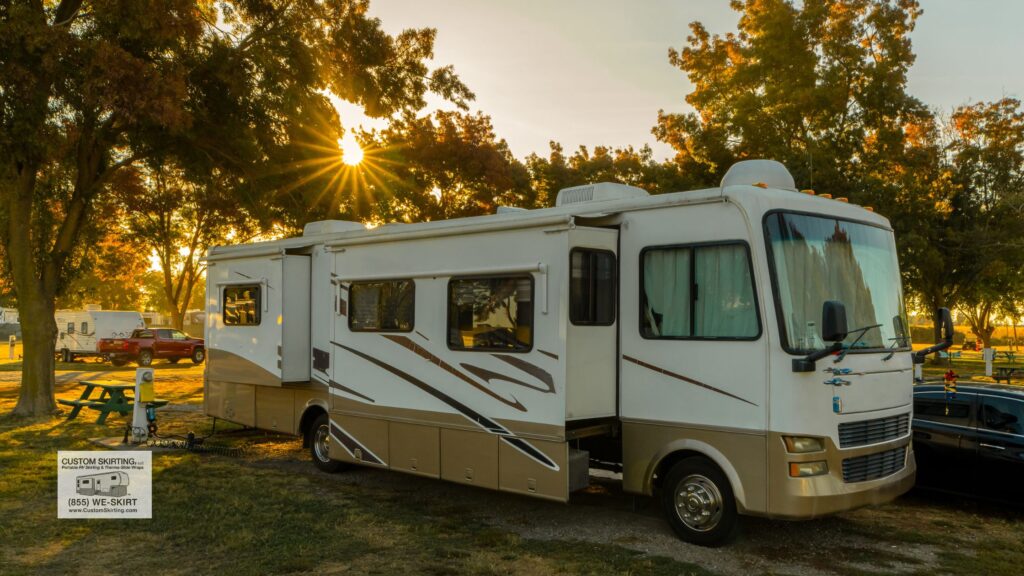
Class A are the most luxurious and spacious motorhomes. These are perfect for those seeking a luxurious lifestyle on the road. They are often equipped with all the amenities of a home and are suitable for full-time living. Class A RVs offer plenty of space, with living areas, bedrooms, and large kitchens. However, they can be more challenging to maneuver and consume more fuel. If you’re considering one of these top-tier options, any comprehensive RV buying guide should highlight Class A motorhomes as the pinnacle of comfort and space.
Price Range: $100,000-$500,000+
Best For: Full-time RVers, luxury travelers, and those who prioritize space and amenities
Pros: Spacious living areas, abundant storage, high-end features
Cons: Difficult to drive, expensive to maintain, poor fuel efficiency (6-10 MPG)
Class B (Camper Vans)
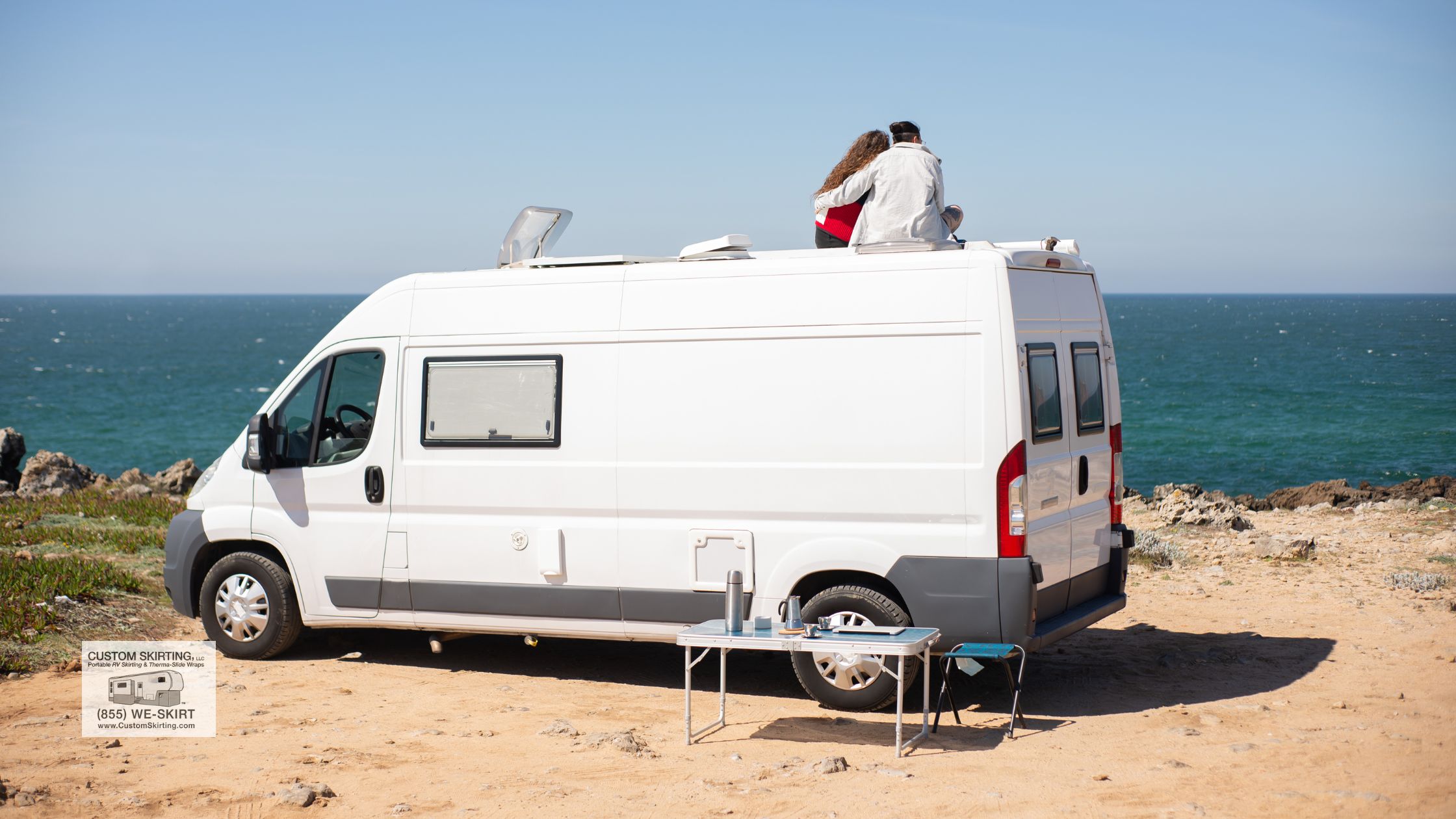
If you are considering buying a camper class B, also known as camper vans, they are the most compact and maneuverable of the three classes. They are ideal for solo travelers or couples looking for a more compact and fuel-efficient option. Class B RVs may not have all the amenities of larger RVs, but they offer a convenient and cozy way to travel.
Price Range: $80,000-$150,000
Best For: Solo travelers, couples, weekend warriors, and those who value maneuverability
Pros: Easy to drive, can double as a second vehicle, better fuel efficiency (15-22 MPG)
Cons: Limited living and storage space, smaller water tanks, and holding tanks
Class C
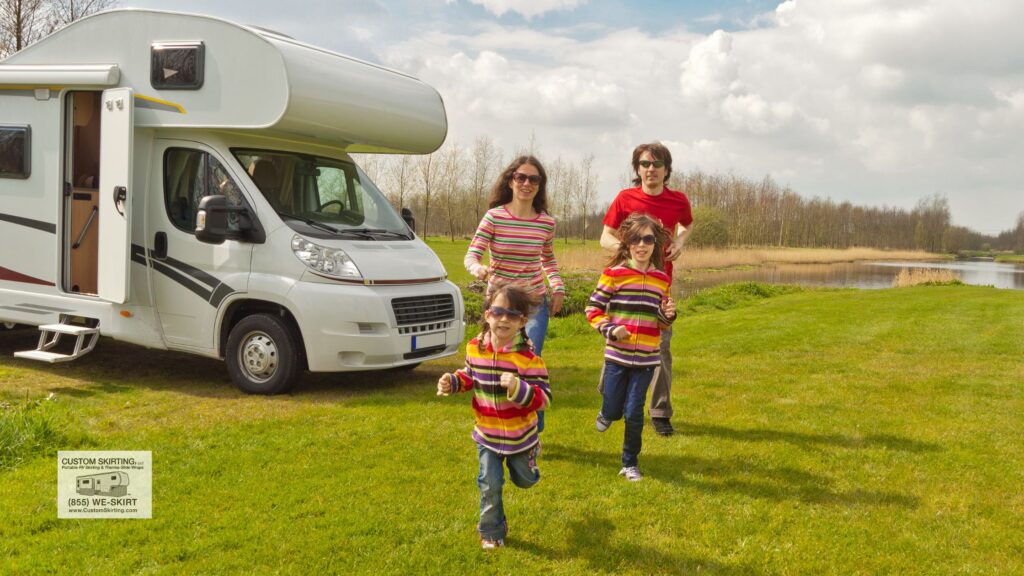
If you are considering buying a camper Class C, this RV buyer’s guide will help you understand why these are a middle-ground choice—combining some of the comforts of Class A RVs with the maneuverability of Class B RVs. These RVs often have a distinctive over-cab section, providing extra sleeping space or storage. Class C RVs are great for families and those who want a balance between comfort and maneuverability.
Price Range: $60,000-$150,000
Best For: Small families, couples wanting more space than a Class B but better drivability than a Class A
Pros: More living space than Class B, easier to drive than Class A, over-cab sleeping area
Cons: Less storage than Class A, lower fuel efficiency than Class B (8-15 MPG)
Travel Trailers
Travel trailers are non-motorized RVs that connect to a tow vehicle via a standard hitch. They range dramatically in size from 10-40 feet.
Price Range: $15,000-$100,000
Best For: Those who already own a suitable tow vehicle and want the flexibility to detach and use their vehicle independently
Pros: Wide variety of floor plans and sizes, can detach at campsite, generally less expensive than motorized options
Cons: Requires a suitable tow vehicle, more challenging to back up and maneuver
Fifth-Wheel Trailers
Fifth-wheel trailers are larger towable RVs that connect to a pickup truck via a special hitch installed in the truck bed. They typically range from 25-45 feet in length.
Price Range: $25,000-$150,000
Best For: Those wanting maximum living space in a towable and who own a suitable pickup truck
Pros: Spacious bi-level floor plans, excellent stability when towing, generous storage
Cons: Requires a pickup truck, heavier than travel trailers, and more expensive than standard travel trailers
Pop-Up Campers
Pop-up campers (also called folding trailers) are lightweight, expandable trailers that collapse for towing and storage.
Price Range: $5,000-$25,000
Best For: Beginners, occasional campers, those with limited storage space, or smaller tow vehicles
Pros: Lightweight, affordable, easy to store
Cons: Limited amenities, less protection from elements, setup time required
Truck Campers
Truck campers sit in the bed of a pickup truck rather than being towed behind it.
Price Range: $10,000-$50,000
Best For: Off-road enthusiasts, those with limited storage space
Pros: No additional towing required, excellent for off-road destinations, compact
Cons: Very limited living space, requires a suitable pickup truck
Toy Haulers
Toy haulers are specialized RVs (available as travel trailers, fifth-wheels, or motorhomes) with a garage space for ATVs, motorcycles, or other recreational “toys.”
Price Range: $20,000-$200,000 depending on type
Best For: Outdoor sports enthusiasts who want to bring motorized equipment
Pros: Versatile space that can serve as an additional living area when not storing toys
Cons: Less living space dedicated to comfort, the garage area can smell of fuel
Determining Your RV Needs and Budget
Assessing Your Travel Style and Needs
- How will you use your RV? Weekend trips, extended travel, or full-time living?
- Where will you typically travel? Developed campgrounds with full hookups or remote boondocking locations?
- How many people will regularly travel in the RV? This affects the sleeping capacity and living space needed.
- What amenities are must-haves? Full bathroom, kitchen, entertainment systems, office space?
- What’s your comfort threshold? Are you willing to sacrifice some amenities for mobility or a lower price point?
- Do you need storage for outdoor equipment? Bikes, kayaks, or other recreational gear?
- What’s your camping style? Do you spend most of your time outdoors or inside the RV?
Your honest answers to these questions will help narrow down the type of RV that best suits your lifestyle.
Setting a Realistic Budget
Your budget should account for:
Financing: RV loans typically have 10-20 year terms with interest rates ranging from 4-15% depending on your credit score, the RV’s age, and loan term.
Insurance: Annual premiums range from $500-$2,000+ depending on the RV type, value, and usage.
Maintenance: Budget 1-2% of your camper’s value annually for routine maintenance and repairs.
Storage: If you can’t park at your residence, expect to pay $50-$500+ monthly for storage depending on location and whether it’s covered.
Campground Fees: From $25-$150+ per night depending on location and amenities.
Fuel: A significant expense, especially for motorized RVs with poor fuel efficiency.
Depreciation: New campers typically lose 20-30% of their value in the first few years.
A realistic budget accounts for all these expenses, not just the monthly payment.
Research and Shopping Process
Where to Buy: Dealerships vs. Private Sellers
RV Dealerships:
- Offer wider selection and one-stop shopping
- Provide financing options and warranty packages
- Often include dealer prep and orientation
- May offer service department benefits
- Typically charge higher prices than private sellers
Private Sellers:
- Generally offer lower prices
- No dealer fees or sales pressure
- More negotiation flexibility
- No warranty unless transferable manufacturer warranty remains
- Limited selection (one unit at a time)
RV Shows:
- Allow you to see multiple brands and floor plans in one location
- Often feature special “show pricing”
- Great for comparison shopping
- Can be overwhelming and create pressure to buy on the spot
When evaluating dealerships, check online reviews, Better Business Bureau ratings, and ask about their service department reputation.
The Benefits of Renting Before Buying
Renting before buying a camper one is like taking an extended test drive—a smart move often recommended in any thorough RV buyers’ guide. This experience provides invaluable insights that brochures and showroom visits simply can’t match.
Benefits of renting before buying an RV include:
- Experiencing different RV types to determine which suits your needs
- Learning the realities of RV systems and maintenance
- Understanding space requirements and storage needs
- Discovering your camping style and preferences
- Identifying must-have features versus nice-to-haves
A weekend rental is informative, but a 5-7 day trip will give you a more realistic experience. Expect to pay $100-$350 per night depending on the RV type and season.
Some rental companies offer “rent-to-buy” programs where a portion of your rental fee can be applied to a purchase. Companies like Cruise America and RVshare offer various rental options.
Decide if You Want a New or Used RV
Once you’ve determined the type that suits your needs, it’s time to decide whether you want to buy a new camper or a used one. Both options have their pros and cons! Check this RV buying guide.
Pros and Cons of Buying a New Camper
Pros:
- Warranty: New campers typically come with warranties, providing peace of mind.
- Modern Features: New RVs often feature the latest technology, appliances, and design trends.
- No Wear and Tear: You won’t have to worry about the wear and tear of previous owners.
Cons:
- Depreciation: New RVs depreciate rapidly in the first few years, losing a significant portion of their value.
- Higher Costs: A new camper comes with a higher price tag compared to a used one.
- Limited Customization: Might not offer the same level of personalization as used ones.
Pros and Cons of Buying Used
Pros:
- Lower Depreciation: Used RVs have already gone through the steepest part of their depreciation curve, making them a better investment.
- Lower Cost: You can often get a larger or more feature-rich used RV for the same budget as a new one.
- History: You can research the RV’s history and any known issues before making a purchase.
Cons:
- Potential Wear and Tear: Depending on the previous owner’s care, a used RV may have more wear and tear.
- Limited Warranty: Used RVs may not come with the same level of warranty coverage as new ones.
- Older Features: You may miss out on the latest technology and design trends.
Understanding the Purchase Process
Negotiating the Purchase
When buying an RV, almost everything is negotiable. Here are effective strategies:
Research Market Values: Use NADA Guides, RV Trader, and similar resources to determine fair market value before negotiating.
Timing Matters: The best times to buy include:
- End of the month (dealers trying to meet quotas)
- End of camping season (October-November in northern regions)
- Late winter (January-February before the spring rush)
- During RV shows (competitive pricing environment)
- End of model year (dealers clearing inventory for new models)
Negotiation Tactics:
- Start with a low but reasonable offer (typically 25-30% below asking price for new RVs)
- Focus on the total price, not monthly payments
- Be prepared to walk away
- Use inspection findings as negotiation points
- Consider last year’s models for significant savings
Beyond Price Negotiation:
- Extended warranties or service plans
- Dealer prep and orientation
- Accessories and starter kits
- Free or discounted storage
- Service packages
Remember that dealers typically have 20-35% markup on new units, giving them considerable room to negotiate.
Financing Your RV
Most camper purchases involve financing. Understanding your options can save thousands over the loan term.
Loan Options:
- Dealership financing (convenient but not always the best rates)
- Credit unions (often offer the most competitive rates)
- Banks (particularly those specializing in RV loans)
- Online lenders specializing in RV financing
Typical Terms:
- 10-20 year loan terms depending on RV price and age
- Interest rates from 4-15% based on credit score, loan term, and RV age
- Down payments typically 10-20% of purchase price
Credit Score Impact:
- Excellent credit (720+): Best rates and terms
- Good credit (670-719): Decent rates but higher than best offers
- Fair credit (580-669): Higher rates, may require larger down payment
- Poor credit (below 580): Difficult to finance, very high rates if approved
Securing financing approval before shopping gives you stronger negotiating power and helps establish a firm budget. Any comprehensive RV buying guide will emphasize this step, as it also prevents the disappointment of falling in love with an RV you can’t finance.
Common Mistakes to Avoid When Buying an RV
First-time buyers often make these costly mistakes when buying a camper, which is why following a trusted RV buying guide is essential:
Underestimating Total Ownership Costs:
Many buyers focus only on the purchase price or monthly payment, forgetting about insurance, maintenance, storage, and campground fees. A good RV buyers guide will help you account for all these hidden costs.
Skipping Professional Inspections:
The few hundred dollars saved by skipping an inspection can cost thousands in unexpected repairs.
Inadequate Research:
Not researching brands, models, and common problems can lead to purchasing an RV with known issues or poor reliability.
Impulse Buying at RV Shows:
The excitement and pressure of show specials often lead to hasty decisions without proper consideration. Following an RV buyers guide can help you stay focused on long-term needs, not short-term deals.
Ignoring Floor Plan Functionality:
A floor plan that looks good during a brief dealer visit may prove impractical for your actual camping style.
Not Considering Your Tow Vehicle’s Capacity:
Purchasing a towable camper that exceeds your vehicle’s towing capacity creates dangerous driving conditions and may void warranties. An RV buyers guide will remind you to match the RV to your tow vehicle’s limits.
Overlooking Storage Needs:
Many buyers don’t consider where they’ll store their camper when not in use, leading to unexpected costs or homeowner association conflicts.
Focusing on Features Instead of Quality:
Prioritizing flashy features over construction quality often leads to disappointment and expensive repairs.
Not Understanding Warranty Coverage:
Many buyers assume everything is covered under warranty, only to discover significant limitations when problems arise.
Resources for New Owners
After buying a camper, these resources will help you maximize your ownership experience:
Online Forums and Communities:
- iRV2.com – The largest forum with brand-specific sections
- RV.net – Active community with diverse topics
- Facebook Groups
Useful Apps:
- AllStays – Comprehensive camping and RV resource
- GasBuddy – Find the best fuel prices along your route
Protect Your RV Investment with Custom Skirting
After investing in your dream RV, don’t overlook one of the most important accessories for protection and comfort: quality RV skirting. As any good RV buying guide will tell you, safeguarding your RV with proper skirting is essential for long-term durability and comfort.
Custom Skirting offers the nation’s #1 RV skirting solution, custom-tailored on-site to ensure a perfect fit for your specific RV model.
Our exclusive “No-Snap, No-Gap” channel system provides superior protection against water, snow, and wind compared to other products on the market. With over a decade of testing in the harshest winter conditions across the northern United States and Canada, our skirting system has proven its durability and effectiveness.
Unlike one-size-fits-all solutions, Custom Skirting creates a blueprint of your exact RV and custom-tailors your skirting on-site, ensuring flawless protection that moves with you wherever your adventures take you.
Get Custom Skirting today and experience the difference that professional, custom-fitted RV skirting makes for your RV lifestyle!